

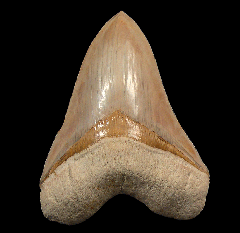
Not all Megalodon teeth offer the same quality, condition, or appeal. Many fossil buyers focus on size, but few understand how a find's location directly affects its preservation, structure, and collectible value. When collectors search for meg teeth, they seek more than fossils. They want authentic, well-preserved prehistoric pieces with verifiable origin and unique features. That level of trust comes from understanding exactly where a fossil came from and how that place shaped it through time.
Why Does The Discovery Site Matter For Meg Teeth?
The ground where a Megalodon tooth stayed buried for millions of years influences every feature you see today. Soil type, mineral content, moisture, and natural movement all contribute to how a fossil survives. Teeth found in stable riverbeds often retain more edge detail, color contrast, and enamel integrity than those retrieved from exposed environments. These physical differences become noticeable the moment you place two specimens side by side. One might feel smooth, dark, and dense, while the other shows surface wear and faded tone. This difference begins at the place of origin.
Role of Sediment and Water Movement
Fossil-rich rivers such as the Peace and Edisto consistently yield well-preserved Megalodon teeth. These locations protect fossils by limiting exposure to external erosion and environmental stress. As water gently flows through mineral-rich soil, it creates the perfect conditions for preserving natural fossils. Teeth discovered here often show sharp serrations, a strong bourlette, and natural color variations, including jet black, brown, and even bluish tones. These features form naturally from minerals absorbed during fossilization, not from artificial polishing or treatment.
Visual Features That Reflect Tooth Quality
Buyers who want the best specimens focus on specific visual traits that indicate strong preservation and authenticity. Collectors always check for:
● Complete root structure without breaks or unnatural repairs.
● Clearly visible bourlette that separates the crown from the root.
● Unaltered enamel surface with minimal cracks or surface wear.
● Sharp or semi-intact serrations that reflect limited movement post-burial.
These indicators usually trace back to teeth found in low-disturbance areas. Well-preserved sediment holds fossils in place for thousands of years, preserving both their structural and visual qualities.
Value of Traceable Origin
Fossils carry more than physical traits. They have a history. When you know where a tooth was discovered, you unlock part of that history. A traceable origin not only proves authenticity but also adds clarity on environmental factors, sediment type, and preservation expectations. Collectors often prioritize teeth with verified location details because they help assess value, compare with similar finds, and feel confident about their investment. That information also supports educators and museum professionals who require accurate context when sharing fossils in classrooms or displays.
Teeth without location data may look appealing on the surface, but lack depth. Many meg teeth fall into this category, which makes it harder to judge their true story and condition. They raise questions about restoration, authenticity, and long-term value. Buyers should always ask where a fossil came from and how that environment shaped it. That one question often makes the difference between a good purchase and a great one.
What Serious Collectors Look For?
Those who build collections with purpose never buy on looks alone. They evaluate the structure, verify the condition, and investigate the origin. Here is what experienced fossil buyers consider before making a decision:
● Is the tooth naturally preserved or visibly restored?
● Does the enamel texture match the expected quality from well-known river finds?
● Are the colors natural and mineral-rich or artificially enhanced?
● Has the root stayed intact, or does it show signs of past damage or repair?
Each of these questions links back to one central idea. The tooth’s location plays a bigger role than most realize.
Common Misunderstandings
Buyers often carry assumptions about what makes a Megalodon tooth valuable. Let’s clear up a few of those now.
|
Myth |
Facts |
|
Larger teeth always hold more value. |
Condition and origin matter more than length alone. |
|
Color does not affect pricing. |
Natural color formed by minerals often increases value. |
|
Restored teeth match natural ones. |
Unrestored specimens with natural finish carry more trust. |
Avoiding these misconceptions helps buyers focus on what truly matters. That focus leads to smarter purchases and more trusted collections.
Proper Handling Based on Discovery Site
Collectors must also understand that preservation does not end at discovery. Storage, handling, and display affect long-term condition. Teeth from freshwater environments often have a dense mineral buildup, which increases their stability. Still, these fossils should be stored in a dry, padded container away from direct sunlight.
Teeth pulled from saltwater sites may hold surface residue and should receive extra care. Gentle cleaning, stable temperature, and low humidity help prevent surface flaking and internal stress over time. Collectors who tailor care methods to the fossil's origin often achieve better preservation. This approach also protects long-term value and allows for a clean, confident display without added risk.
How Our Approach Reflects Authenticity?
We work with sources that value truth and transparency. Every Megalodon tooth in our catalog reflects real conditions and comes from known recovery sites. Our approach respects the fossil’s age, formation, and importance. When buyers view a specimen, they see more than a fossil. They know a story locked inside the enamel and rooted in a specific place. That level of integrity builds trust. It also attracts buyers who want more than a fossil. They want clarity, confidence, and connection to something real.
We never include speculative listings. Each tooth speaks for itself through detail, weight, and form. Our selection favors specimens that show their natural past and carry the markers of long-term preservation. That kind of quality draws attention from collectors, educators, and lifelong fossil fans.
Final Perspective for Confident Buyers
When you choose a Megalodon tooth, do more than admire its size. Ask where it came from. Learn how that place helped shape its condition. Let origin guide your confidence and help you spot the features that matter most. Traceable location, preserved detail, and natural composition define the fossils worth collecting.
Whether you are starting your collection or adding to a seasoned display, always choose specimens that bring the past to the present through precise, verifiable details. Meg teeth carry more than physical traits, they preserve the movement of time, pressure, and environment. A real fossil does not just belong in a case. It belongs in a story. Let that story begin with where it was found and how time shaped it into the incredible piece you now hold.






