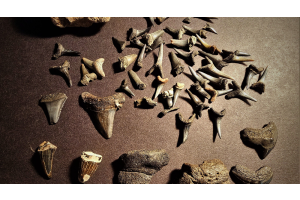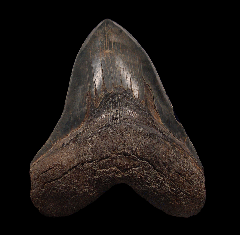
A real megalodon tooth for sale gives you a tangible piece of a giant prehistoric shark. You want authenticity, clear locality information, and photos that match the description. You also wish to have a tooth that displays well, whether you collect fossils, teach with specimens, or give something unforgettable. This guide explains what to check to make a good choice.
Why Do Buyers Need to Check Details When Looking for a Real Megalodon Tooth for Sale?
Many listings show big shark teeth, yet the details decide whether you get a true Megalodon specimen. The Megalodon lived during the Miocene and Pliocene, and it grew large teeth with serrated cutting edges and no side cusps. Those traits help you confirm the species. When you know the basics, you can judge a listing fast.
Key Traits That Identify a Megalodon Tooth
A Megalodon tooth shows a broad, heart-shaped crown and a sturdy root. The cutting edges show serrations, and the tooth lacks side cusps. You should see a crown that flares near the base and narrows toward the tip. Clear close-ups of the edges let you confirm the serrations and avoid mix-ups.
Realistic Size Expectations and What They Mean
Megalodon teeth can exceed 7 inches, yet they rarely exceed about 6 to 6 and a half inches. Always rely on measurements, not on guesswork. A trustworthy listing states the size clearly and shows scale in photos so you can verify what you will receive.
Condition Checks That Protect Your Purchase
Look for intact enamel, strong serrations, and a stable root. Expect some natural wear, especially around the tip, but avoid teeth with large missing enamel sections if you want a crisp display. Please read the condition notes and match them to the photos.
Why Locality Matters for Trust and Value?
Locality gives a tooth a real story, and it supports authenticity. The site offers Megalodon teeth from Florida, Georgia, Lee Creek, North Carolina, South Carolina, Sharktooth Hill in California, Chile, and Peru. When you see a listing with a precise locality, you can connect the tooth to a known fossil area. Locality also helps explain differences in natural color and preservation.
What Strong Listings Always Include
Look for multiple photos that show the crown and root from different angles, plus exact measurements and clear condition notes. Look for locality information and an authenticity guarantee. The site notes that most teeth 5 inches or larger come with a custom stand, which helps buyers display large teeth safely.
Buying Checklist You Can Use Every Time
Use this quick checklist before you buy.
• Confirm serrated cutting edges and no side cusps.
• Read the locality and make sure it lists a specific place.
• Verify measurements and check that photos show scale.
• Review condition notes for chips, cracks, or repairs.
• Look for an authenticity guarantee and clear seller communication.
Questions to Ask Before You Buy
Ask these questions when a listing leaves any doubt.
• Where did you find this tooth, and can you confirm the locality in writing?
• Did you restore, repair, or polish any part of the tooth?
• Can you share additional close-ups of the serrations and roots?
How Different Buyers Choose the Right Tooth?
Collectors often prioritize rarity, size, and sharp serrations. Beginners usually start with smaller teeth because they are still affordable and retain classic features. Those searching for a real megalodon tooth for sale often look for pieces that balance visual appeal with authenticity. Teachers and gift buyers often choose teeth with precise serrations and strong roots because they display well. Serious buyers usually focus on locality, variety, and strong condition.
Context That Helps You Explain the Tooth
The Megalodon earned its reputation through size and power. The page notes an estimated bite force up to 180,000 newtons, which helped it bite through massive prey. It likely fed on whales and other large marine mammals. This context matters when you display a tooth because it turns a fossil into a story you can share. The site also highlights related Megalodon ancestor teeth, helping collectors expand their collections with similar megatooth sharks.
Common Mistakes That Lead to Regret
Buyers often chase the biggest tooth and ignore the condition. They also skip locality information and settle for vague listings. Some buyers trust shiny photos without asking if the seller polished the tooth. Others do not check for serrations and end up with a different species. You can avoid these problems by comparing several listings.
Myth vs Fact
Myth: A real tooth must look perfect.
Fact: Real teeth can show natural wear while keeping precise serrations.
Myth: Every tooth above 6 inches shows up often.
Fact: Teeth can exceed 7 inches, but they rarely exceed 6 to 6 and a half inches.
Myth: Locality does not matter.
Fact Locality supports authenticity and explains differences in color and preservation.
Myth: New collectors need the biggest tooth.
Fact: Smaller teeth can fit a starter collection and still look impressive.
Final Words
Buying a Megalodon tooth should feel exciting and clear. Focus on authenticity, locality, condition, and realistic size expectations. Choose based on your purpose, whether you want a centerpiece, a teaching specimen, or a first fossil. When you use precise listing details and you ask the right questions, you protect your budget and you respect the fossil. Your next real megalodon tooth for sale can become the start of a collection you feel proud to own, and enjoy it every day afterward.