

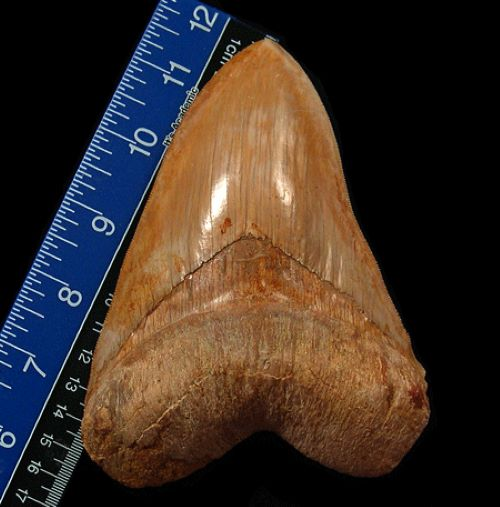
Fossilized treasures from the deep sea have a way of pulling us into ancient tales—and few are as thrilling as the legacy of the megalodon. This prehistoric shark, known as one of the largest predators to ever exist, leaves behind clues to its existence in the form of teeth. Thick, triangular, and serrated like a steak knife, these remnants can be as awe-inspiring as they are mysterious.
Among fossil collectors, amateur enthusiasts, and marine biologists, one question tends to rise above the rest: how big can a megalodon tooth get?
Let’s take a journey through the deep blue past and explore the surprising sizes of these relics, how they’re measured, and what they tell us about this apex predator.
The Visual Might of a Megalodon Tooth
Imagine holding a fossil in your hand that is bigger than your entire palm, with a weight you can actually feel. That’s the kind of impression a megalodon tooth leaves. Their structure is unlike anything you’d typically find in modern sharks. Broad roots, sharp edges, and a pronounced triangular blade—these teeth weren’t made for delicate nibbles.
Most megalodon teeth discovered fall between 3 and 5 inches in length. Still, on rare occasions, specimens measuring over 6 inches have surfaced, creating buzz among collectors and scientists alike. These massive finds often come from areas such as the southeastern United States, Peru, and parts of Africa, where prehistoric ocean floors are now accessible on land.
Measuring a Tooth That Outgrew Its Era
To measure a megalodon tooth, the standard method involves tracing from the tip of the tooth to the longest point along the root. This length offers consistency for comparing specimens. But it also gives scientists insight into the shark's size—something that continues to amaze.
Using this method, it’s believed that a megalodon with a tooth measuring over 6 inches could have stretched more than 60 feet long. That’s roughly the size of a bowling lane… with teeth.
To answer the original curiosity—how big can a megalodon tooth get—the largest verified specimen found to date measures around 7.48 inches. That’s longer than an adult human hand and nearly the length of a standard dinner fork.
Why These Tooth Sizes Matter
Beyond their visual impact, these teeth give researchers a scale for understanding prehistoric ecosystems. The size, wear, and serrations of a megalodon tooth can reveal its diet, age, and hunting behavior.
For instance, wider teeth with significant wear might suggest a diet heavy in whale flesh, while smaller teeth could belong to juveniles feeding on fish or smaller prey. Fossils aren’t just dead artifacts—they’re stories set in stone.
Rarity Drives Fascination
Larger teeth aren’t only rarer—they’re also significantly more sought after by collectors. A tooth over 6 inches in excellent condition can fetch thousands of dollars, exceptionally if the serrations and enamel are well preserved. Even in fossil markets, size still matters.
These rare specimens often end up in private collections, museums, or as the centerpiece of educational exhibits. And while their commercial value adds to the excitement, their scientific value runs even deeper.
A Glimpse Into the Prehistoric Ocean
The sheer scale of the megalodon, inferred solely from tooth size, helps paint a picture of ancient oceans teeming with marine life, both majestic and monstrous. A megalodon tooth size isn’t just a measurement—it’s a time capsule.
Some collectors even specialize in sourcing teeth by size, coloration, or geological origin. Colors can vary depending on the mineral content of the soil where the tooth was buried. Deep blacks, rustic reds, and even pale blues are found depending on location.
This combination of size, color, and preservation makes each tooth a unique discovery.
So, How Do You Know You’ve Found a Real One?
Because these fossils are in high demand, spotting authentic teeth is crucial. Real megalodon teeth have specific telltale characteristics:
● Heavy, solid weight
● Fine serrations along the edges
● Natural wear and polish from years underground
Unlike replicas, genuine fossils have imperfections—tiny chips, mineral staining, or root wear—that speak of their age. Knowing what to look for adds another level of appreciation for collectors and hobbyists alike.
Modern Obsession With Ancient Giants
It’s not surprising that pop culture has turned the megalodon myth into entertainment. But long before movies and fiction dramatized these sharks, scientists were already captivated by what their teeth represented.
Museums across the world now display the most prominent megalodon teeth to educate the public on ancient marine life. These fossils have become symbols of natural history—sitting proudly among dinosaur bones and mammoth tusks.
They represent strength, survival, and mystery—qualities that continue to draw people into fossil hunting as a hobby or career.
Looking for One of Your Own?
You don’t need to be a paleontologist to own a piece of prehistoric history. Many hobbyists start their collection with small, affordable teeth and work their way up. Whether for education, curiosity, or admiration, owning a megalodon tooth can feel like holding a piece of the ocean’s forgotten past.
There are even fossil-digging tours and online collections that make it easy to explore without getting your feet wet. But wherever you source your tooth from, remember—each one comes with its own story.
Final Thoughts on This Ancient Wonder
While the oceans today are home to mighty sharks, none compare to the scale of the megalodon. From the sharp edges of its teeth to their almost mythic size, these fossils serve as a reminder of a marine world long gone—but not forgotten.
If you've ever wondered what it’s like to hold something millions of years old in your hand, a megalodon tooth might be the closest you’ll come. These ancient relics offer more than awe—they spark curiosity and connect us to Earth’s deep history.
So, whether you’re starting a fossil collection or deepening your knowledge of marine giants, there’s always more to explore.
Ready to discover a fossil that sparks conversation and curiosity? Browse through our carefully sourced collection and find the piece that speaks to you. Start your journey into ancient oceans today—because every fossil has a story to tell.






