

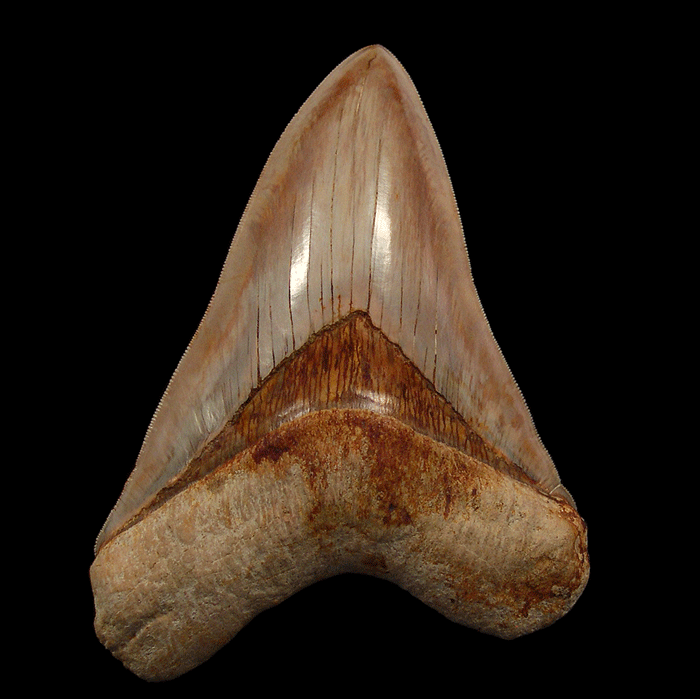
There’s something hauntingly captivating about the idea of ancient giants roaming Earth’s oceans—especially one that could bite a whale in half. The megalodon, often described as the largest shark to ever live, remains a subject of wonder for collectors, fossil hunters, and curious minds alike. While countless myths and media depictions have fueled the creature’s fame, the real excitement lies in the tangible evidence it left behind—its fossilized remains.
Among the most sought-after discoveries is the megalodon shark skeleton, a rare yet treasured glimpse into the prehistoric past.
Let’s shift gears and explore why this ancient marine predator continues to steal the spotlight—one tooth, one jaw, one vertebra at a time.
The Ghost of an Ocean Giant
The megalodon wasn’t just big—it was enormous. Estimates suggest it could reach up to 60 feet in length, with teeth the size of a grown man’s hand. Unlike modern sharks, whose skeletons are primarily cartilage, fossilized megalodon remains are limited to teeth and vertebrae. This is because cartilage decays much faster than bone. But the fragments that do remain are enough to piece together an awe-inspiring mental image of the creature that once dominated the seas.
Fossilized Fragments That Speak Volumes
When most people think of dinosaur-era fossils, they picture towering bones and complete skeletons mounted in museum halls. However, with megalodons, the story is a little different. Their skeletons were never fully fossilized due to their cartilaginous structure, which doesn’t preserve well over time.
What remains, though, tells us quite a lot. Vertebrae give us clues about the shark’s growth rate and size. A series of vertebrae discs aligned together can form a partial view of the creature’s massive frame. Paired with tooth evidence, fossil enthusiasts and researchers can piece together how fast it grew, how long it lived, and even its hunting patterns.
The Jaw That Defined a Predator
One of the megalodon's most iconic features is its enormous jaw. Fossilized jaws, or reconstructions based on thousands of found teeth, showcase a gaping maw that could easily engulf a small car. The bite force has been estimated to exceed 40,000 pounds per square inch—strong enough to shatter bones with ease.
The sheer size of the megalodon shark jaw has made it a centerpiece in museums and private collections. Its width, when fully reconstructed, can stretch over ten feet, allowing an adult human to stand inside with room to spare. These displays not only fascinate visitors but also serve as valuable tools for paleontologists studying predator-prey relationships of ancient oceans.
Why Collectors Treasure Megalodon Fossils
Beyond scientific intrigue, megalodon fossils captivate the minds of private collectors and fossil dealers. A single well-preserved tooth can command hundreds to thousands of dollars depending on size, condition, and rarity. The unique coloration of teeth—shaped by the sediment in which they fossilized—adds an aesthetic appeal that’s hard to ignore.
Collectors often compare them to natural sculptures. Each piece tells a different story of how long it lay buried, what kind of marine sediment covered it, and how it survived millions of years of change. Unlike many collectibles, these fossils are literal pieces of Earth’s ancient history.
Piecing Together a Skeleton with Imagination
Though complete skeletons are rare, hobbyists and museum curators often create composite displays using available vertebrae and artistic reconstructions. This blend of fossil science and creativity helps bring the megalodon back to life—visually, at least.
By using proportional analysis of living sharks, such as the great white, researchers can estimate what a full megalodon may have looked like. These composite skeletons—while not scientifically complete—offer a rare visual gateway into the prehistoric ocean, sparking curiosity in both adults and children alike.
How Teeth Became Time Travelers
Megalodon teeth are the most commonly found remnants, and they vary in size, shape, and color. This variety makes each find unique. Some are razor-sharp, others worn with time, but all possess the triangular shape that made them fearsome weapons.
Because teeth were shed frequently—much like modern sharks—there are countless fossilized specimens scattered across ancient seabeds, riverbanks, and cliffs. These teeth are often discovered in regions that were once submerged under warm, shallow seas, such as parts of North and South America.
The teeth aren’t just remnants; they’re storytellers, whispering secrets of an ocean long gone.
Learning from the Abyss
Every fossil fragment—whether a tooth, jaw section, or vertebra—offers clues into the world the megalodon ruled. They tell us about climate conditions, ocean currents, and evolutionary biology. Even today, marine scientists use these fossils to understand extinction events, species migration, and food chain structures of the prehistoric ocean.
Each fossil find acts like a puzzle piece, allowing modern researchers to slowly fill in the gaps of Earth’s natural history. What makes it fascinating is how much remains unknown, leaving space for both fact and wonder.
Bringing Prehistoric Depths to Your Collection
Owning a megalodon fossil, whether it's a tooth or a reconstructed jaw, isn't just about display—it's about holding a fragment of deep time in your hands. Each fossil is unique, formed over millions of years by geological processes. They connect us to a world untouched by human civilization, a place of colossal creatures and ancient currents.
If you're considering beginning a collection or adding to an existing one, start with a verified specimen. Whether you’re drawn to the jaw, the tooth, or the vertebra, each holds its own silent power to inspire awe.
Conclusion
From the remnants of vertebrae to the iconic jaws that once tore through the seas, the legacy of the megalodon lives on. Though we may never find a complete megalodon shark skeleton, the pieces we do uncover are more than enough to feed the curiosity of scientists, collectors, and fossil lovers worldwide. Even a single tooth can bridge the gap between present and past, offering a glimpse into an ocean ruled by giants.
Whether you're hunting for a rare fossil, exploring the mysteries of the ancient sea, or simply curious about Earth’s most enigmatic predators, there’s no better time to dive into the world of prehistoric treasures.
Ready to explore your own piece of ancient history? Start your collection today with authentic megalodon fossils.






