Megalodon teeth are some of the most sought-after marine fossils on the planet. Whether you're just curious or ready to head out with a sifter and shovel, megalodon tooth fossil hunting is a rewarding adventure that combines science, history, and outdoor exploration. As fossil collectors ourselves, we offer practical advice to help you get started with confidence. From choosing the right spot to knowing what tools to bring, here’s everything you need to know before you start hunting for these prehistoric treasures.
What Makes Megalodon Teeth So Popular?
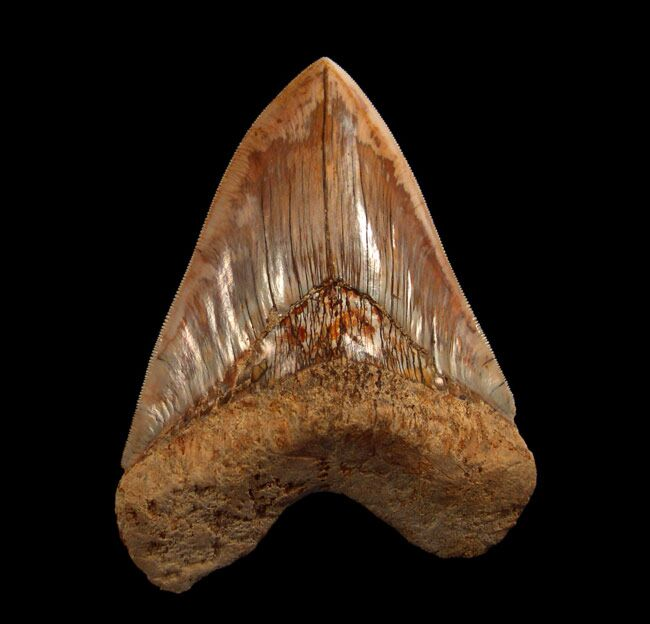
Before we jump into logistics, it helps to understand what makes megalodon teeth so fascinating. The megalodon was an extinct species of shark that lived over 3 million years ago and reached lengths of up to 60 feet. Its teeth, often ranging from 3 to over 7 inches, are prized for their massive size, durability, and distinct triangular shape.
Unlike bone, shark teeth fossilize well because of their mineral content. This makes them more accessible to collectors. The right environment, a bit of luck, and some patience can turn your first megalodon tooth fossil hunting trip into a memorable one.
Where Should You Go for Your First Fossil Hunt?
Location matters. Some places are naturally better for megalodon tooth discovery due to their geological history. Based on reliable fossil-finding hotspots, here are four standout destinations worth considering:
1. Venice, Florida
Known as the "Shark Tooth Capital of the World," Venice Beach is beginner-friendly and offers shallow water areas ideal for shoreline hunting. The Gulf currents constantly shift the sand and expose new finds regularly.
2. South Carolina Rivers
Blackwater rivers like the Cooper, Wando, and Edisto are rich in megalodon fossils. Many hunters kayak to these sites and dive or sift for teeth in the sediment. However, some of these areas require permission or guided tours due to depth and visibility.
3. North Carolina’s Aurora Area
The spoil piles near the Aurora Fossil Museum are free to access and loaded with fossil material dumped from a nearby phosphate mine. It’s a great walk-up location for beginners, and the museum offers guidance for first-timers.
4. Calvert Cliffs, Maryland
Fossils from the Miocene Epoch often wash out of these eroding cliffs. While collecting directly from the cliffs is prohibited, the beaches below are open for public searching.
Understand the Legal Side of Fossil Hunting
Not every beach or riverbank is open for collecting. Before you head out, check local regulations regarding fossil collection. Some sites require permits, while others might be off-limits entirely. When in doubt, contact the nearest park ranger station or check online for guidelines related to the site you plan to visit.
Respecting private property and following state rules helps protect fossil-rich areas. This ensures they remain available for future collectors as well.
Tools You’ll Want to Bring
Starting out doesn’t require a big investment, but a few tools can make your trip more productive:
● Sifter or Sand Scoop: Essential for filtering sand and uncovering teeth
● Shovel or Trowel: Useful for digging into promising layers
● Mesh Bags or Buckets: For carrying your finds safely
● Gloves and Water Shoes: Protect your hands and feet in rivers or rocky areas
● Snorkel Gear (Optional): Helpful if you’re searching in shallow, clear water
Always check the specific terrain before packing gear. You won’t need diving equipment at Venice Beach, but it might be useful in some South Carolina rivers.
What to Look For While Hunting
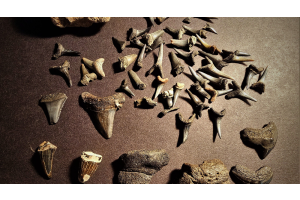
Identifying a megalodon tooth comes down to recognizing certain features. These teeth are typically large, triangular, and serrated along the edges. They vary in color depending on the mineral content of the sediment in which they were buried. Black, gray, brown, and even blue hues are common.
During megalodon tooth fossil hunting, you may also come across fossils from other ancient marine life, such as stingray barbs, whale bones, or smaller shark teeth. Keep your eyes open, and learn to distinguish fossil textures from modern shell fragments.
Safety Tips to Keep in Mind
Fossil hunting can be thrilling, but it also requires caution. Here are a few safety practices to follow:
● Watch the Weather: Avoid hunting during high surf or storm conditions
● Stay Hydrated: Bring plenty of water, especially in hot coastal areas
● Use Sun Protection: Sunscreen, a hat, and lightweight clothing go a long way
● Don’t Hunt Alone: Especially if you're exploring rivers or isolated beaches
● Be Aware of Wildlife: Gators, jellyfish, or sharp barnacles can pose risks
Preparedness ensures your first outing stays fun and safe from beginning to end.
How to Store and Preserve Your Finds
Once you've found a megalodon tooth, keep it dry and store it securely. Avoid harsh cleaning methods. Many collectors prefer to gently rinse teeth with fresh water and let them dry naturally. If you plan to display your fossil, consider a padded case or a stand that doesn’t apply pressure to fragile areas such as the serrated edges.
Labeling your fossils with location and date also adds historical context to your collection and helps you track where your best finds came from.
What If You Don’t Find a Tooth?
It happens. Even seasoned collectors experience days without a single tooth find. But every trip improves your understanding of fossil-rich environments and sharpens your eyes. Don’t get discouraged.
Visit fossil museums or talk to experienced collectors online to refine your strategies. You can also purchase starter specimens to help train your eye for spotting size, color, and shape in the field.
Every fossil hunt teaches something new. Even if you go home without a tooth, the experience still adds value to your skills and knowledge.
Choosing Quality Megalodon Teeth If You Want to Start Collecting
If you're not ready to hit the beaches or rivers just yet, browsing professionally sourced megalodon teeth can be a great starting point. When buying, look for accurate size descriptions, clear condition grading (such as full root, intact enamel, and visible serrations), and trustworthy sellers who offer detailed photos.
We always suggest comparing real fossils in hand with online examples to develop a better sense of authenticity. This also makes it easier to assess condition and value as you expand your collection.
Tips for Building a Lifelong Hobby
Megalodon tooth fossil hunting is more than a one-time experience. Many collectors go on to explore new sites, trade fossils with others, and build personal collections that reflect years of effort and learning. If you enjoy it the first time, consider:
● Joining local fossil hunting clubs
● Attending fossil shows
● Keeping a fossil journal with notes and site details
● Learning to identify other marine fossils
● Teaching friends or family how to hunt
It’s a hobby that offers adventure, history, and community all in one.
Conclusion
Your first experience with megalodon tooth fossil hunting doesn’t need to be complicated. Start with the right location, bring the proper tools, and understand what to look for. The rest will follow. It’s a rewarding hobby that offers real connections to Earth’s ancient past and plenty of opportunities to grow your collection. We encourage every enthusiast to give it a try. If you're looking to explore quality specimens or need guidance on how to start, Buried Treasure Fossils offers authentic megalodon teeth and expert insight to support your journey.
Reach out to us today for trusted support, fossil tips, and help finding your first megalodon tooth treasure.