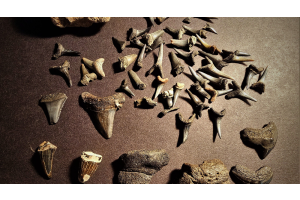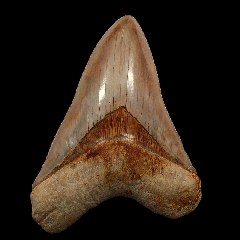
The massive fossil teeth of the Megalodon have fascinated scientists and collectors alike for decades. As one of the most iconic prehistoric marine predators, this shark left behind a trail of clues, none more debated than the tooth collected during the HMS Challenger expedition. We offer a wide selection of scientifically studied Megalodon teeth, but the question remains: is the HMS Challenger Megalodon tooth truly the oldest ever found? With the keyword HMS Challenger megalodon tooth sparking discussion across paleontological circles, it is worth exploring what this controversial specimen reveals about extinction timelines and fossil authentication.
The Story Behind the HMS Challenger Discovery
In the late 19th century, the HMS Challenger expedition ventured into deep waters in search of new oceanic knowledge. Among its many findings was a massive fossilized tooth attributed to the long extinct Megalodon. What makes this specimen so compelling is not just its size or preservation, but the sediment layer it was discovered in.
Early interpretations suggested that the layer might date back as little as 10,000 to 15,000 years. This was far more recent than the generally accepted extinction timeline of about 3.6 million years ago. That dating created a serious debate within the scientific community. If accurate, it would suggest that Megalodon may have survived much longer than previously believed.
Why the HMS Challenger Megalodon Tooth Sparked Debate
The HMS Challenger megalodon tooth quickly became the center of a long-standing scientific dispute. Paleontologists have traditionally agreed that Megalodon disappeared during the Pliocene Epoch. Cooling ocean temperatures, changing prey populations, and competition from emerging predators such as great white sharks likely contributed to its extinction.
The Challenger specimen appeared to challenge this understanding. Researchers questioned whether the tooth was truly embedded in undisturbed sediment or whether it had been displaced over time. The concept of redeposition became a key point of discussion. This process occurs when fossils move from older layers into younger sediment due to underwater currents or geological disturbance.
While most scientists now lean toward redeposition as the explanation, the possibility raised by the Challenger tooth continues to fuel curiosity and reexamination of fossil dating methods.
Why This Tooth Matters to Fossil Collectors
For collectors, age plays a significant role in a fossil’s value and historical importance. A Megalodon tooth already represents a remarkable piece of prehistoric history. A specimen that could suggest a later survival period would elevate that importance even further.
Interest in fossils connected to famous expeditions has always been strong. Teeth comparable in size, preservation, or coloration to the HMS Challenger megalodon tooth often attract increased attention from collectors. This makes proper documentation, geological context, and authenticity especially important.
Collectors often examine enamel condition, root completeness, natural coloration, and wear patterns. These characteristics help determine whether a tooth has remained largely untouched since fossilization or has been altered through restoration or environmental movement.
How Fossil Dating Works and Where Errors Can Occur
Understanding fossil dating helps explain why the HMS Challenger tooth remains controversial. Most Megalodon teeth are found in marine sediment layers dated between 3 and 20 million years old. Scientists rely on surrounding fossils, sediment composition, and known geological timelines to estimate age.
Problems arise when fossils are recovered without precise excavation records. Deep-sea dredging, shoreline erosion, and disturbed seabeds can all relocate fossils from older layers into younger ones. This makes it difficult to assign an accurate age without supporting evidence.
The HMS Challenger megalodon tooth was not recovered through a controlled excavation. That lack of context is the main reason scientists remain cautious when interpreting its age.
What the Challenger Tooth Teaches Us About Extinction
Even if the HMS Challenger tooth does not rewrite Megalodon’s extinction timeline, it still plays an important role in scientific discussion. It reminds researchers and collectors that fossil records are complex and that conclusions must be supported by strong contextual evidence.
Extinction is rarely a sudden event. It often unfolds over thousands or even millions of years. Fossils like this encourage continued research into how climate shifts, ocean changes, and predator competition influence survival.
The Challenger tooth remains valuable not because it proves Megalodon lived longer, but because it highlights the need for careful interpretation in paleontology.
What Modern Collectors Should Look For in Megalodon Teeth
Today, collectors can find impressive Megalodon teeth ranging from modest sizes to specimens exceeding six inches. High-quality examples often feature intact serrations, solid roots, and natural mineral coloration that reflects their burial environment.
We focus on providing teeth with clear origins and visible signs of authenticity. These fossils are ideal for display, study, and long-term collecting. While no privately owned tooth carries the same historical weight as the Challenger specimen, many offer exceptional educational and visual value.
Understanding the history behind famous discoveries like the HMS Challenger megalodon tooth helps collectors better appreciate the importance of documentation and fossil integrity.
Conclusion
The question of whether the HMS Challenger Megalodon tooth is the oldest ever found continues to inspire debate and curiosity. While current scientific consensus supports an extinction date millions of years ago, the HMS Challenger megalodon tooth remains a powerful reminder of how complex and fascinating the fossil record can be. Its story encourages careful analysis, informed collecting, and respect for geological context.
For those seeking authentic Megalodon teeth with verified origins and lasting value, Buried Treasure Fossils offers specimens that connect collectors directly to one of the most awe-inspiring predators in Earth’s history.
Visit us to explore authentic Megalodon teeth, discover fossil history, and add a scientifically verified prehistoric treasure to your collection today.