

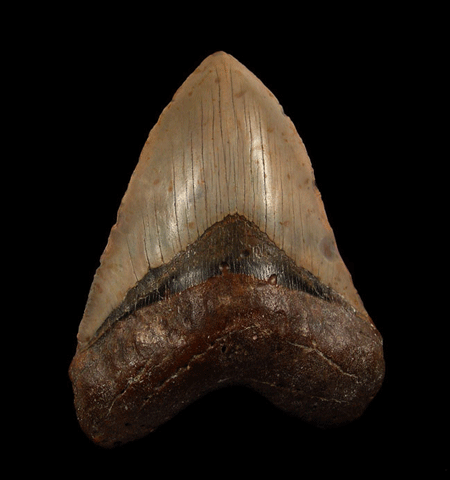
When we explore megalodon tooth ledges, we are not only searching for shark teeth but also uncovering entire chapters of Earth’s history. These sites give us the chance to study fossils in their natural context, and our work helps bring attention to the fascinating range of discoveries that can be made.
By examining what lies within these ledges, we can deepen our understanding of ancient oceans and the creatures that once thrived in them.
Defining the Ledges
A megalodon tooth ledge can be described as a sedimentary formation where fossilized remains have accumulated over time. Ocean currents would have carried teeth and other fragments into specific layers, where they became preserved within the rock and sediment. These ledges are not limited to shark fossils alone; they often serve as structured archives that capture the remains of entire ecosystems.
A Reservoir of Fossils
These ledges often contain large numbers of megalodon teeth grouped together. Researchers are able to compare their shapes, sizes, and levels of wear to determine growth stages and feeding activity. This helps provide a clearer view of how populations may have lived and interacted with their environment.
Yet the ledges do not contain shark remains alone. In many cases, whale bones and even mastodon fossils have been preserved within the same formations. The association of these species allows scientists to see not only how megalodons lived but also how different creatures coexisted during the same periods of time.
The Importance of Co-Occurrence
When megalodon teeth, whale bones, and mastodon remains appear together, the scientific value of the site increases greatly. This co-occurrence matters because it allows researchers to ask broader questions about life millions of years ago.
Population Studies
When teeth are found in concentrated numbers, researchers can examine them to estimate how many sharks may have lived in the area. The presence of other species within the same deposit adds more context to these studies.
Behavior and Diet
Whale bones that display bite marks can provide evidence of predation or scavenging. If mastodon remains are also present, they may point to instances where land animals were transported into marine settings by rivers or coastal processes. Studying these fossils together helps paint a picture of feeding behaviors and ecological connections.
Reconstructing Food Webs
Having several types of fossils preserved within the same layers enables scientists to outline ancient food chains more effectively. Sharks, whales, and mastodons all played different roles in their environments, and studying them together helps reveal the structure of ancient ecosystems.
Environmental Conditions
Sediment within these ledges can provide important information about the conditions of ancient oceans. The way layers formed reflects changes in sea levels, currents, and climates. Understanding these environmental conditions is essential for explaining how fossils came to be preserved and what the world looked like during the Miocene and Pliocene epochs.
Scientific Challenges
Although megalodon tooth ledges are rich in information, they are not easy to study. They are often located in deep water, which requires specialized technology such as submersibles and remotely operated vehicles. Without such equipment, researchers would not be able to examine or recover the fossils that lie within these sites.
Conservation is another concern. These ledges can be vulnerable to disturbance from unauthorized collection or careless exploration. Protecting them is necessary to ensure that valuable evidence remains intact for study.
Discoveries from the Depths
Over the years, explorations have revealed exceptionally preserved fossils from these ledges. Large megalodon teeth have been found in association with other significant remains, giving researchers new ways to study life from millions of years ago.
When teeth are discovered alongside whale bones, the evidence can highlight predator-prey interactions. Mastodon fossils, when present, suggest that rivers or shifting coastlines may have transported land animals into marine environments, where they were eventually preserved. Each discovery contributes to a greater understanding of the conditions in which these animals lived and how their worlds overlapped.
Expanding Knowledge Through Technology
As technology improves, scientists are able to gather more detailed information from ledge sites. Imaging and mapping tools allow them to examine sediment layers more carefully, while new sampling methods make it possible to analyze fossils without damaging them.
These improvements make it easier to determine population structures, ecological relationships, and environmental changes with greater accuracy. As a result, each expedition adds new pieces to the puzzle of how life functioned in the ancient oceans.
Broader Implications
The fossils preserved within these ledges also tell stories about the climate and environment of the past. Shifts in sea levels and temperatures affected how marine life evolved and interacted. The co-occurrence of sharks, whales, and even mastodons reflects how interconnected ecosystems once were, linking land and sea in surprising ways.
By studying these ledges, researchers are able to see how different forces shaped survival and extinction events. The preservation of multiple species in one place serves as a reminder that the history of life is always interconnected, with changes in one part of the environment influencing countless others.
Conclusion
Megalodon tooth ledges are far more than sites of fossilized shark teeth. They are natural archives that capture layers of history, where the remains of predators, prey, and even terrestrial animals can be found together. Whale bones show evidence of interactions with giant sharks, while mastodon fossils demonstrate the influence of shifting coastlines and rivers on preservation.
Each fossil adds to the understanding of how ecosystems once operated and how environmental changes shaped the course of evolution. By continuing to study and protect these ledges, we are able to preserve valuable knowledge about ancient life and maintain a clearer picture of the history that shaped today’s oceans.






