

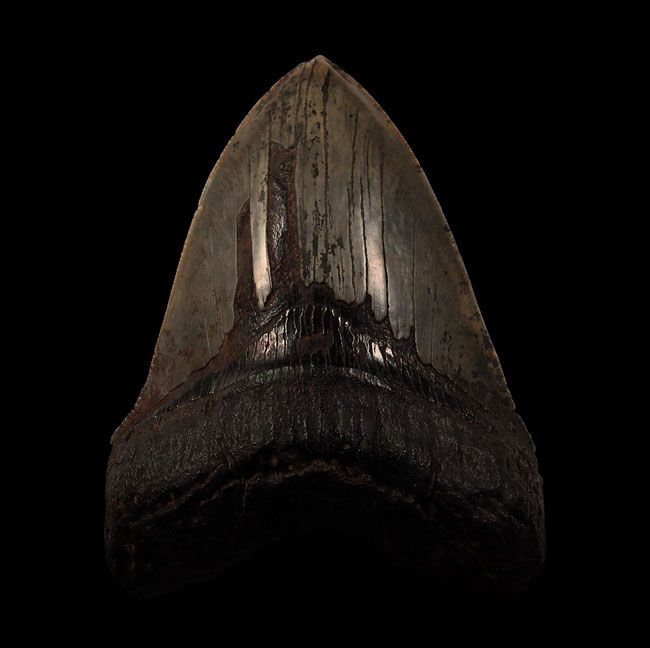
Megalodon teeth captivate fossil enthusiasts across Florida’s shores, standing as powerful reminders of an ocean once ruled by colossal predators. These ancient treasures emerge after spending millions of years buried beneath layers of sediment, finally revealed by the rhythm of tides and shifting sands. Each discovery is a chance to hold a piece of deep time in hand.
From their arrival on the beach to methods of identification and preservation, these fossils continue to spark fascination about rarity and history. Areas like Peace River, Florida, megalodon teeth sites show how certain waterways have become especially memorable for seekers who uncover these oceanic relics.
The Long Journey from Ocean Depths to Shorelines
Imagine walking along a quiet stretch of beach at sunrise. The waves retreat, leaving small shells and fragments glistening in the sand. Among them, something catches the light—a triangular shape, worn smooth by time yet undeniably distinct. It is a megalodon tooth, carried across centuries by tides before resting at your feet.
That simple moment of discovery represents an incredible journey. When the massive sharks that once ruled prehistoric seas shed their teeth, they fell into marine sediments. Over millions of years, pressure and minerals transformed them into fossils. Storms, erosion, and shifting sandbanks later uncovered them, and ocean currents carried them closer to modern shores. Each fossil unearthed today is the result of that long cycle of preservation and movement.
Florida’s coasts and rivers are known for their geological richness. Some areas are more generous than others, producing teeth of varying condition. Each find—whether gleaming under sunlight or half-buried in river gravel—remains a vivid connection to an ocean that stretched over time and space.
Recognizing the Traits of Megalodon Teeth
Spotting an actual megalodon fossil requires more than excitement—it requires careful observation.
● Size and Shape: Megalodon teeth are massive compared to most other shark species, triangular in form, and remarkably broad. Even smaller or broken pieces carry heft.
● Enamel and Serrations: The enamel surface can shine or dull depending on preservation. Serrations may remain sharp or worn but stand as a defining feature.
● Root Structure: A robust root balances the crown, offering further evidence of authenticity.
● Color Range: Mineral-rich soils produce striking variations: deep black, earthy browns, slate grays, and even rare bluish hues.
Collectors often speak of each tooth as unique, not only because of its prehistoric origins but also because of the geological forces that shaped its final appearance. One fossil might feature razor-like serrations while another appears smooth, its edges softened by centuries of current-driven abrasion. These traits become the fingerprints of each specimen, setting it apart from all others.
The Art of Preserving Fossils
The discovery is only the beginning. Preserving a megalodon tooth ensures its story remains intact for years to come.
● Gentle Cleaning: Soft brushing or rinsing clears debris without stripping natural surface features.
● Reinforcement: Fragile fossils can benefit from stabilization to protect against crumbling.
● Safe Display: Many choose enclosed cases or protective stands to safeguard fossils from humidity, light, or over-handling.
Preservation practices allow fossils to be appreciated while minimizing risks of long-term damage. A tooth with glossy enamel and sharp serrations may look as if it came from the ocean floor yesterday, but only careful handling guarantees that it will last for decades more. Even a tooth with heavy wear has value as an authentic artifact of natural history.
Rarity Along Florida’s Shores
Though occasional discoveries bring excitement, megalodon teeth remain rare along beaches and riverbanks. Their scarcity is linked to several factors: the limited distribution of fossil beds, the effects of erosion, and the simple chance of tides delivering them ashore.
Large specimens with fine serrations and intact enamel are rare. Teeth with unusual coloration or symmetry also command special attention. Enthusiasts often classify the highest quality finds as “top grade,” prized for their exceptional preservation.
Rivers and coastlines known for discoveries remind us that each fossil is an extraordinary gift of nature. In particular, Peace River, Florida, megalodon teeth finds emphasize how certain waterways hold remnants of an ancient predator, fueling both scientific study and personal fascination.
The Thrill of Discovery
There is a unique thrill in walking a shoreline with eyes scanning the sand, unsure of what might appear next. Each wave delivers the possibility of a fossil that has not seen daylight for millions of years. Some seekers compare the experience to treasure hunting, but in truth, the real treasure lies in the history each fossil carries.
Even small or fragmented teeth have the power to spark the imagination. What seas did this predator patrol? How large was the shark that shed it? How far has this fossil traveled since leaving the jaw of its original owner? Holding such an object can make time itself feel less abstract.
Stories abound of collectors spending hours wading through shallow waters, sifting through gravel, or patiently watching tide lines. Each search builds anticipation, and when a tooth finally appears, it transforms an ordinary outing into a timeless memory.
Fossils as Living History
Megalodon teeth are more than collector’s items. They are tangible evidence of a world where sharks grew to sizes that dwarf modern species. These fossils represent apex predators that shaped marine ecosystems in their time.
Displaying a fossil tooth is not only about showcasing rarity but about sharing a glimpse into Earth’s evolutionary story. Each tooth, no matter its size or condition, preserves details that reveal something about these ancient giants. For families, collectors, and enthusiasts alike, they can become conversation pieces, teaching tools, and cherished keepsakes of natural history.
The fascination also lies in their silent storytelling. A tooth broken at the tip speaks of forceful bites and ocean battles. A smooth specimen whispers of long journeys across seabeds. Together, these relics tell more than a story of predators—they paint a picture of oceans that once teemed with life of extraordinary scale.
Conclusion
Megalodon teeth discovered along Florida’s shores continue to inspire wonder. Shaped by millions of years beneath the sea, they reach beaches through erosion, currents, and shifting sediments. Identification depends on careful attention to enamel, serrations, and shape, while preservation safeguards these relics for future generations.
Their rarity only deepens their value, and every discovery offers more than a collectible—it provides a piece of an ancient world. In regions where Peace River, Florida, megalodon teeth are found, each specimen highlights the awe of uncovering history written in stone. Whether gleaming with sharp edges or softened by time, these fossils remind us of the power and mystery of Earth’s prehistoric seas.






