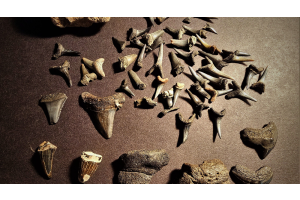
Fossil hunting often begins with the thrill of discovery—brushing away sand to reveal the jagged edge of something ancient, perhaps a tooth from the largest shark that has ever lived. But not all fossil finds are created equal. While amateur hunters may stumble upon shark teeth on a riverbed or shoreline, collectors know there’s a significant difference between a common fragment and a true showpiece. When it comes to evaluating a fossil’s value, beauty, and authenticity, certain traits elevate some megalodon teeth to premium status. And for serious collectors, these distinctions aren’t just about aesthetics—they’re about owning a genuine piece of prehistoric power.
At first glance, many megalodon teeth might seem alike. The size can be striking, with the largest exceeding seven inches. However, actual premium specimens—particularly those that collectors pursue for years—are about much more than just their size. They are characterized by factors such as condition, color, enamel quality, origin location, and even the anatomical position in the shark’s mouth. What remains of these ancient relics narrates a tale. And that tale, when articulated effectively, can fetch thousands of dollars in the fossil market.
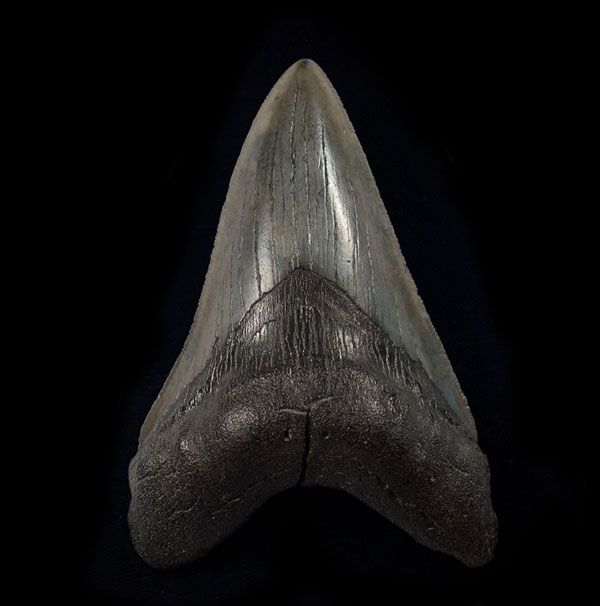
Among the most prized are those found in South Carolina, where fossil beds yield exceptional examples with rich gray coloration, complete roots, intact serrations, and unique black bourlettes. This is where our fascination with megalodon teeth transcends mere collecting—it’s about preserving ancient history with unmatched quality.
What Makes a Tooth “Premium”?
To understand the distinction, it’s essential to break down the elements that elevate a megalodon tooth from ordinary to extraordinary. Let’s explore what seasoned collectors and fossil vendors use to evaluate quality:
1. Color and Preservation
Premium specimens often feature rich, natural coloring—gray, blue, or even reddish tones depending on mineral content in the sediment where the tooth fossilized. A large, gray-colored tooth from South Carolina, like the one listed under code SC116, stands out for its elegance and rarity. The unique black bourlette on such teeth, when complete and extra-large, is a hallmark of preservation that instantly increases value.
2. Enamel and Serrations
Enamel should be glossy and intact, with minimal pitting or cracking. Fair serrations—though sometimes worn—add to the authenticity of the tooth. These tiny ridges once helped the ancient predator slice through massive prey. Their survival over millions of years is nothing short of incredible, marking the fossil as a cut above the rest.
3. Root Structure
The root, often overlooked by novice collectors, plays a crucial role in determining value. A complete root with few hydration cracks speaks to the tooth’s overall preservation. Teeth with extensive root damage or those that have been filled, glued, or restored tend to diminish in authenticity and value.
Provenance Matters: The Value of Origin
South Carolina is known globally among fossil collectors as a hotspot for superior megalodon teeth. The local riverbeds and coastal deposits hold an abundance of high-grade fossils, often buried deep in blackwater environments that enhance preservation. When evaluating a specimen like the SC116—a lower anterior tooth with “spike-like” features—it’s not just about looks. The anatomy of the tooth, combined with its place of origin, suggests it came from one of the most powerful biting regions in the shark’s mouth, making it even more desirable.
Authenticity Above All
In the fossil trade, authenticity is paramount. A premium tooth is not just impressive—it must also be 100% natural. No repairs. No restoration. No artificial enhancement. At Buried Treasure Fossils, we stand firmly behind our promise: every fossil is guaranteed to be authentic, complete, and exactly as described. Collectors trust our reputation because we deal in genuine history, not mass-market reproductions or “composite” fossils.
Rarity Meets Natural Design
It’s easy to be dazzled by size alone, but actual value lies in rarity and condition. A tooth measuring 4-7/16 inches, with minimal wear and preserved root structure, like SC116, is not just large—it’s exceptional. These qualities transform it from a simple fossil to a showpiece, ideal for both seasoned collectors and those just beginning their journey into paleontology.
The design significantly enhances the overall appearance: the lower anterior teeth, often described as “spike-like” due to their slender, pointed shape, are a rarity. Their unique symmetry not only sets them apart but also contributes an additional layer of aesthetic appeal to this remarkable relic.
Investment in a Prehistoric Masterpiece
While some view megalodon teeth merely as intriguing curiosities, discerning collectors recognize their potential as valuable investments. The worth of exceptional, well-preserved fossils has risen steadily over the years, fueled by their rarity, soaring demand, and an ever-growing fascination with paleontological wonders. Authentic specimens, such as SC116—unrestored, resplendent in color, and anatomically unique—are becoming increasingly elusive. Owning such a piece is not only a celebration of nature’s awe-inspiring history but also a remarkable enhancement to any fossil collection, serving as a striking conversation starter and a testament to the grandeur of prehistoric life.
Final Thoughts: Why Premium Matters
Not all fossils are equal. A common beach find might carry sentimental value, but a premium megalodon tooth carries legacy, history, and unmatched aesthetic. From sharp serrations to a complete bourlette and flawless root structure, each element matters. And for those who want more than just a piece of the past—for those who wish to have the best of it—premium is the only way to go.
Seeking a high-quality, large megalodon tooth similar to SC116? Our collection features natural, investment-worthy specimens that deliver both beauty and authenticity. Contact us today to find the perfect fossil for your collection or to learn more about our premium offerings.