

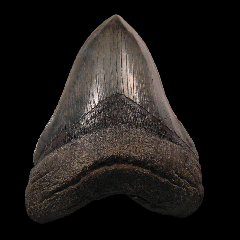
The Megalodon—one of the most awe-inspiring apex predators to ever roam Earth’s oceans—has left behind a legacy through its fossilized teeth, many of which have become prized collector’s items. Across the globe, Megalodon teeth have been unearthed from the deep seabeds of the Atlantic to the muddy coasts of North Carolina. However, what truly sets certain specimens apart isn’t just their size or age—but their origin. Among all the regions where Megalodon teeth have been found, one source in particular is capturing the fascination of elite fossil enthusiasts and collectors alike: West Java, Indonesia.
These exceptional fossils stand in a class of their own due to a combination of geological uniqueness, aesthetic qualities, and the sheer rarity of the finds. When we examine the characteristics that distinguish these teeth, it becomes clear why Otodus megalodon specimens from Indonesia are commanding heightened attention across the fossil community.
Unrivaled Aesthetics Found Nowhere Else
One of the defining features of the Otodus megalodon teeth from West Java is their stunning coloration. Unlike the more commonly discovered brown or tan specimens from the East Coast of the United States, West Java teeth often boast an ethereal light gray crown seamlessly draped with black and blue undertones. This makes each tooth visually unique—almost painterly.
We recently highlighted a top-quality 6-1/4” upper jaw tooth from West Java, showcased as our February Fossil of the Month. This extraordinary specimen features a light gray crown with black and blue hues, a unique gray-brown bourlette that is both large and essentially complete, and enamel quality that could only be described as pristine. The serrations are 100% intact and razor sharp, including the tip—a detail that’s often worn down in fossils of this age. With a thoroughly articulated black root displaying only minimal, shallow pitting on the non-display side, the condition is truly museum-grade.
It’s in the middle of this story that we must pause and emphasize how Otodus megalodon teeth from Indonesia rise far above the norm. The aesthetics and condition alone distinguish them, but they are only part of what makes these West Java fossils so remarkable.
A Geological Treasure Hidden Beneath the Tropics
Unlike the fossil beds of North America or Europe, the sedimentary deposits in Indonesia tell a different geological story. The West Java area is part of a Miocene-era marine basin, rich with unique mineral compositions that influence the color and preservation of the fossils found there. This rare combination of mineral content, tropical moisture levels, and marine sedimentation yields incredibly well-preserved fossils—and often in colors rarely seen elsewhere.
Top-tier specimens, especially those measuring over 6 inches, are scarce even within the fossil community. Most collectors might spend years looking for a tooth with complete serrations and a flawless root. In West Java, these appear—though still exceptionally rare—more consistently in premium finds, reinforcing the reputation of Indonesian sites as prime hunting grounds for elite fossils.
It’s no surprise that when we source our specimens, we look to reputable, direct sources like Buried Treasure Fossils, who maintain rigorous standards for authenticity and quality.
Unmatched Authenticity and Collector Value
One of the biggest challenges in the fossil market is verifying authenticity and ensuring that specimens are free from restoration. Many large Meg teeth from other sites undergo some form of repair—especially those over 6 inches. In contrast, Otodus megalodon specimens, especially our 6-1/4” West Java fossil, are entirely untouched by restoration or enhancement. What you see is what was unearthed from millions of years of natural preservation.
For discerning collectors, this offers unparalleled peace of mind. There’s a profound satisfaction in owning a tooth that is not only large and beautiful but also completely genuine. It’s not just a fossil—it’s an untouched piece of prehistoric art, a natural relic that speaks of a predator’s reign over ancient seas.
Rarity That Speaks Volumes
Although Megalodon teeth can be found on nearly every continent, truly top-quality examples from West Java are scarce. This region doesn’t offer the same abundance of accessible fossil layers as, say, the Southeastern United States. Fossil hunting in Indonesia is more labor-intensive and less industrialized, which means that fewer specimens reach the market—and those that do often belong in top-tier collections or museums.
What makes this even more special is the unique color profile of Indonesian fossils. The light gray and black hues combined with complete bourlettes and razor-sharp serrations make these teeth more than collectible—they’re statement pieces.
Whether you’re an experienced fossil hunter or a newcomer to the world of Megalodon relics, understanding the geological and aesthetic rarity of these teeth is crucial. When one appears, like our featured 6-1/4” tooth, it’s not just another find. It’s a milestone.
Why Collectors Should Care
The fossil market continues to evolve, with growing awareness of authenticity and geological origin driving serious value. Indonesian Megalodon Teeth offer an elite class of quality that is difficult—if not impossible—to replicate elsewhere. Their combination of untouched preservation, exotic coloration, and geological distinction makes them a pinnacle item for any serious fossil enthusiast.
From a collector’s perspective, securing a premium West Java specimen is both an investment and an experience. It connects you to a lineage of one of Earth’s most formidable predators, frozen in time and preserved with extraordinary care by nature’s processes.
Conclusion: A Collector’s Dream from the Depths of West Java
In the ever-growing world of fossil collections, Otodus megalodon teeth from Indonesia—especially those from West Java—stand out with their striking coloration, exceptional preservation, and unmatched rarity. Our 6-1/4” featured tooth is a shining example of what makes these specimens so extraordinary. With razor-sharp serrations, a perfect tip, unique gray-black coloring, and no restoration, it stands as a definitive specimen worthy of any top collection.
These are more than fossils. They’re prehistoric signatures, each one whispering tales from an ancient ocean. For those who seek not just any Meg tooth, but the Meg tooth, West Java awaits.
Looking to secure your one-of-a-kind specimen? Reach out to us today for availability, display options, or to discuss your next collector’s piece. Let’s uncover your next buried treasure—together.






