

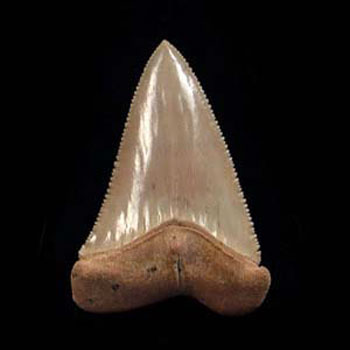
In the world of fossil collecting, few treasures match the allure of a genuine Copper Red Site Otodus Megalodon tooth. This ultra-rare specimen, renowned for its striking copper-red enamel, originates from the Meherrin River in North Carolina, a location famed for producing some of the most exquisite and sought-after Megalodon teeth. For collectors, identifying an authentic Copper Red Megalodon tooth is both a thrilling challenge and a vital skill, given their rarity and the proliferation of imitations.
This guide distills our expert insights and proven identification tips to empower collectors in distinguishing true Copper Red Site Otodus Megalodon tooth from replicas or lesser-quality fossils.
The Origin and Significance of Copper Red Megalodon Teeth
The Megalodon shark (Otodus (Carcharocles) megalodon) reigned supreme during the Pliocene epoch, roughly 3.6 to 2.6 million years ago. While Megalodon teeth are found worldwide, the distinctively colored Copper Red variety is predominantly discovered in the Meherrin River area of North Carolina. This site’s unique geochemical conditions infused the teeth with a rare, vibrant reddish-brown hue—far different from the more common gray or black Megalodon teeth.
What elevates Copper Red teeth beyond their beauty is their extreme scarcity. The Meherrin River deposits yield fewer specimens than prolific fossil beds like Lee Creek or Bone Valley, and even fewer exhibit the combination of large size, excellent preservation, and that vivid copper-red enamel so prized by collectors. Because of these factors, genuine Copper Red Megalodon teeth command high respect and value in the fossil community.
Essential Identification Tips for Genuine Copper Red Megalodon Teeth
1. Copper-Red Enamel: The Defining Trait
At first glance, the enamel color is your clearest clue. Genuine Copper Red Megalodon teeth glow with an intense copper-red or reddish-brown tint—a coloration resulting from the specific iron and mineral content in the Meherrin River sediments. This hue is uniform but can display subtle natural variations and shading, reflecting fossilization processes over millions of years.
Be cautious of teeth with artificial coloring, dull tones, or inconsistent patches. Authentic specimens never show signs of paint or artificial enhancement upon close inspection, and their natural patina has depth and texture.
2. Enamel Condition: Smooth, Glossy, and Pristine
The enamel’s texture reveals much about a tooth’s authenticity and quality. Copper Red Site Otodus Megalodon teeth from the Meherrin River are noted for their remarkably smooth, glossy enamel surfaces, indicating excellent preservation. The enamel will feel firm and resilient, not chalky or brittle.
Slight natural imperfections such as fine pits or microscopic cracks are expected, but damage that appears recent, artificial, or overly extensive should raise doubts. The enamel’s sharpness often relates to how recently the tooth was extracted from the sediment, so pristine enamel suggests a well-preserved fossil rather than a cast or replica.
3. Serrations: Sharp, Large, and Mostly Complete
Serrations are a shark tooth’s signature feature, enabling it to slice through prey. The serrations on genuine Copper Red Megalodon teeth are typically large and razor-sharp. Their completeness is remarkable, even on teeth tens of millions of years old.
Examine the edges closely—authentic teeth maintain clear serrations without unnatural smoothing or signs of filing. The tip serrations, often the most fragile, should be mostly intact. Worn or damaged serrations are normal, but completely smooth edges or symmetrical perfection may indicate forgery.
4. The Bourlette: An Extra-Large, Distinct Brown Band
One of the lesser-known but crucial features is the bourlette, a dentin-rich layer visible between the enamel and root. Copper Red teeth display an extra-large bourlette that is distinctly brown, providing a beautiful contrast against the red enamel.
This brown band is difficult to fake convincingly and serves as a fingerprint for authenticity. Its size and coloration should be consistent with known Copper Red specimens from the Meherrin River site.
5. Wide and Intact Root Structure
Unlike some shark teeth fossils, which only preserve the crown, many genuine Copper Red Megalodon teeth feature a wide, mostly intact root. The root is often brown to dark brown and shows natural wear consistent with fossilization.
Roots can sometimes appear rough or pitted but should not be artificially smooth or show signs of modern repair unless disclosed. A complete root adds significant value and confirms the tooth’s excellent condition.
6. Unique Natural Marks: Bite Scars and Other Imperfections
Authentic Copper Red Megalodon teeth may show fascinating natural history in the form of bite marks, scratches, or tiny chips—testaments to prehistoric oceanic battles or feeding events. These marks should be seamlessly integrated with the enamel surface and appear consistent with fossilization.
One particularly prized example is a tooth with a bite mark on the display side—a rare feature that personalizes the specimen and amplifies its storytelling power. Beware of marks that appear artificially etched or inconsistent with the tooth’s overall wear.
7. Professional Restoration Transparency
While many top-quality teeth are preserved remarkably well, some undergo professional restoration—especially in areas like the front center strip of enamel, which can be fragile.
Restorations, when done properly, are subtle and do not detract from the specimen’s overall value. They should be clearly disclosed by sellers. Avoid teeth with obvious, poorly executed repairs or those where restoration is hidden or not acknowledged.
What to Ask Sellers and What to Expect
When purchasing a Copper Red Site Otodus Megalodon teeth, a collector’s due diligence is crucial. Always seek detailed photographs showing:
● Multiple angles, including close-ups of the enamel, serrations, bourlette, and root.
● Visible natural imperfections or unique marks.
● Any restoration areas with clear disclosure.
Request documentation or information about the find location and geological period. Authentic Copper Red teeth should be confirmed as Pliocene fossils from the Meherrin River or a similarly rare location. Price should reflect the tooth’s rarity; unusually low prices or “too good to be true” offers warrant caution.
Caring for Your Copper Red Megalodon Tooth
Once you acquire a genuine Copper Red Megalodon tooth, preserving it properly ensures it remains a striking centerpiece for years to come:
● Avoid exposure to extreme humidity or temperature fluctuations.
● Clean gently with a soft brush or cloth, never use harsh chemicals or abrasive materials.
● Display in a protective case to prevent dust and accidental damage.
● Keep the tooth out of direct sunlight to avoid enamel fading.
With proper care, your Copper Red Megalodon tooth will retain its color and integrity, maintaining its allure and investment value.
Conclusion: The Pinnacle of Megalodon Collecting
The Copper Red Site Otodus Megalodon is truly the crown jewel of fossil shark teeth, prized for its rarity, vibrant color, and exquisite preservation. Identifying a genuine specimen requires careful attention to enamel color and texture, serrations, bourlette size and hue, root completeness, natural marks, and provenance. Transparent restoration and seller credibility complete the checklist.
Collecting our one of the extraordinary teeth means owning a tangible piece of prehistoric ocean history, rarer and more impressive than Megalodon teeth from many other famous sites worldwide.
Whether you’re an experienced fossil hunter or a passionate enthusiast, mastering these identification tips will give you confidence in acquiring an authentic Copper Red Megalodon tooth, a rare treasure worthy of any collection.






