The deep blue sea has always held mysteries that spark wonder—and perhaps none more captivating than the ancient giants that once ruled it. From prehistoric times to the present day, sharks have fascinated scientists, collectors, and ocean lovers alike. But when we focus on the relics they’ve left behind—specifically their teeth—we unlock stories millions of years in the making. Understanding the teeth of different shark species gives us valuable insight into how marine ecosystems have evolved and how apex predators have adapted.
Among these, two species stand out: the long-extinct megalodon and the still-thriving great white shark. Their teeth are more than just collector’s items—they are nature’s records, each telling a different story about strength, survival, and adaptation. This is why we believe that exploring the comparison between a megalodon tooth and a great white tooth is not just fascinating—it’s essential to appreciating our planet’s oceanic history.
A Journey Into the Ancient Ocean
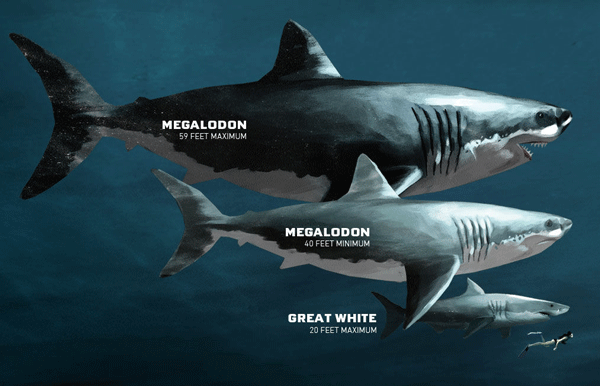
To truly appreciate the comparison, we need first to understand what made these two sharks so unique. The megalodon, believed to have lived from 23 to 3.6 million years ago, was a colossal apex predator. It’s estimated that these giants could reach up to 60 feet in length. Their massive size is reflected in their teeth, which are broad, thick, and often exceed seven inches in length. These formidable tools were built to crush the bones of whales and other large sea creatures.
In contrast, the great white shark, which still patrols today’s oceans, grows to a length of around 20 feet. Its teeth, while much smaller—usually around two to three inches—are finely serrated and triangular, perfectly adapted for slicing through flesh. These teeth regenerate rapidly, enabling the great white to maintain its deadly bite throughout its lifetime.
The Story Teeth Tell
Why do these differences matter? Because each tooth gives us a glimpse into the world its owner lived in. Megalodon teeth reveal an ancient ocean teeming with colossal prey. Their structure—thick and wide—indicates a need to withstand immense pressure while crushing bones. These weren’t simply tools for feeding—they were weapons of domination in an unforgiving world.
Meanwhile, the great white tooth tells a tale of precision and speed. Sleek, sharp, and serrated, it reflects a strategy focused on agility and surprise. The difference isn’t just in size; it’s in purpose, environment, and evolution.
Why “Megalodon vs Great White Tooth” Fascinates Collectors
When collectors cradle these magnificent teeth in their hands, they are not merely admiring their unique shapes; they are experiencing a tangible link to the passage of time itself. This is precisely why the debate over megalodon versus great white teeth remains a topic of fascination for both seasoned professionals and enthusiastic hobbyists alike. The megalodon’s tooth, with its imposing size and striking presence, commands attention not only for its grand scale but also for the profound connection it provides to an ancient apex predator that once ruled the oceans and is now extinct in our seas. Each tooth serves as a portal, inviting us to confront a primordial era long before humanity walked the Earth, immersing us in a world of ferocity and wonder.
Shape, Size, and Function: What They Mean for Your Collection
Each shark tooth has distinctive features that make it valuable in its own right. Megalodon teeth are generally triangular but broader and heavier, with fine serrations on the edges. Their extensive root base and thick enamel make them sturdy, giving fossil hunters a satisfying sense of weight and history when they find one.
Great white shark teeth, while smaller, often appear more polished and symmetrical. Their sleek design reflects their role in quick, efficient predation. Collectors who appreciate precision and ongoing evolutionary success usually value these teeth for their modern beauty and biological efficiency.
The Beauty Behind the Bite
There is undeniable aesthetic appeal in both types of teeth. A megalodon tooth often exhibits rugged imperfections and mineralization, having spent millions of years buried beneath the ocean floor. This patina of age adds a unique character that no modern object can replicate.
On the other hand, the smooth, clean lines of a great white tooth offer their kind of beauty—a look into the streamlined, high-performance biology of today’s ocean predator. Together, they form a visual narrative of how marine life has changed—and endured—over the ages.
Where to Find Authentic Shark Teeth
For those looking to add either type of tooth to their collection, authenticity is crucial. Fossils can vary in condition, size, and origin; therefore, choosing a trustworthy source is vital. That’s why we offer an exclusive selection of both megalodon and great white teeth through Buried Treasure Fossils. Whether you’re a seasoned collector or just beginning your fossil journey, our carefully curated specimens ensure you’re getting an actual piece of prehistoric—and modern—history.
Timeless Treasures from the Depths
Ultimately, comparing a megalodon tooth with a great white tooth is more than just a size contest—it’s a study in adaptation, history, and the power of nature. From the behemoth crushers of the megalodon to the razor-sharp precision of the great white, each tooth reveals how predators evolved to fit their times and prey.
In this comparison of megalodon vs great white tooth, we don’t just see fossils. We see evolution written in enamel. These teeth help us understand not just the animals, but also the ancient oceans they once ruled and how the marine world continues to evolve. Both are essential pieces in the puzzle of oceanic life, each offering lessons in strength, survival, and change.
Explore our collection and discover the prehistoric stories hiding beneath the surface. Ready to own a piece of ancient ocean history? Contact us today and let us help you find your next legendary fossil.