

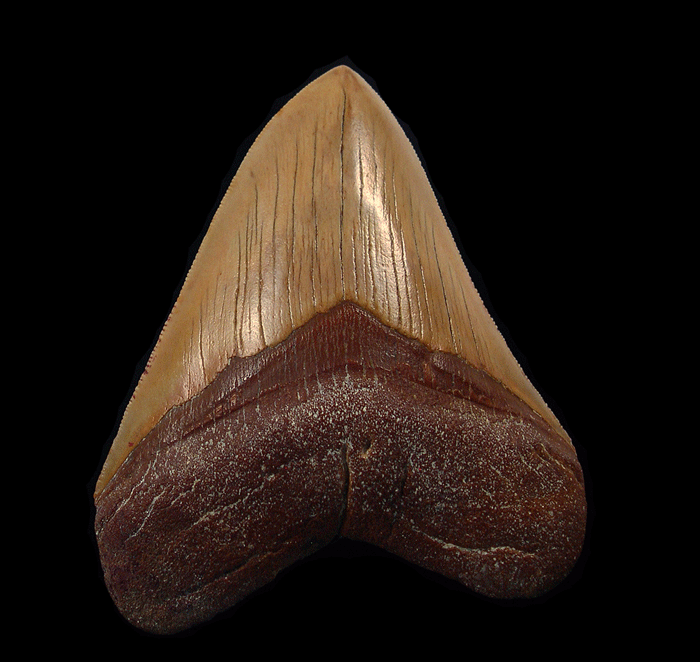
Some fossils aren't content to sit quietly in a drawer or behind museum glass—they beg for stories to be told. In the rocky cliffs and desert sands of North Africa, a specific relic continues to capture curious minds. With serrated edges and ocean-aged enamel, the teeth of Carcharocles megalodon - Morocco offer more than a glimpse into prehistoric life. They stir questions about what once ruled the seas—and what remains in stone.
These teeth are more than collectibles; they are slices of a forgotten era. Let’s explore why these fossils from Morocco are making waves among collectors and paleontology enthusiasts alike.
A Glimpse Into an Ancient Ocean
Millions of years ago, before sand claimed the seafloor and tectonic shifts shaped continents, the region we now call Morocco was submerged beneath vast oceans. These waters were home to some of the fiercest marine predators ever to exist. Among them, the megalodon reigned supreme—its bite force unmatched, its presence legendary.
As the land slowly rose and the waters retreated, traces of this ancient apex predator remained buried, eventually revealing themselves in crumbling sediment and exposed fossil beds. These relics didn't travel far from where they first fell—they waited patiently to be found.
Why Moroccan Megalodon Teeth Hold Unique Appeal
Collectors often speak of “personality” when referring to fossils, and Morocco’s megalodon teeth seem to have plenty of it. Their hues range from earthy tans to smoky grays, sometimes laced with mineral patterns that hint at their underground slumber. Each tooth tells a slightly different story—its wear, preservation, and color shaped by time, pressure, and the elements.
What makes Moroccan specimens distinct isn’t size alone. Many of these teeth come from layers where fossil preservation is naturally better, yielding sharper edges, more defined serrations, and richer patinas. It’s no wonder these are highly sought after by seasoned collectors and casual fossil fans alike.
What Shapes a Tooth Over Millions of Years?
Not all megalodon teeth age the same way. The conditions in Morocco contribute to exceptional preservation. Arid air, mineral-rich soils, and unique geological layers help maintain fossil integrity while adding subtle aesthetic flair. In some cases, these teeth carry mineral inclusions that give them swirls of color or faint, crystallized textures. These aren’t just teeth—they’re nature’s artwork.
Still, age doesn’t spare every feature. Some show minor chips or erosion, signs of real-life wear or movement through shifting sediments. Instead of diminishing their value, these imperfections often deepen their allure, reminding us that fossils aren't fabricated—they're formed by nature’s slow and steady hands.
What Should You Look for When Choosing a Specimen?
Selecting a fossilized megalodon tooth is a tactile experience. Run your fingers along the serrations. Feel the weight. Observe the symmetry and curve. Moroccan teeth often boast sharper tips and more complete roots, both indicators of quality and age.
Color, while subjective, can add emotional weight to a piece. Are you drawn to bold contrasts or softer, dusty tones? Some collectors prefer teeth with unusual mineral markings, while others lean toward clean lines and symmetrical form. Morocco’s diverse preservation offers something for every aesthetic taste.
The Emotional Connection Behind Collecting
Beyond science and aesthetics, there's an emotional thread woven into every fossil. Holding one connects you with a time that predates language, borders, and civilization. There’s something intimate about cradling a tooth that once tore through the ancient waters with primal intent.
That emotional resonance is strongest with fossils that bear visible history. A tiny nick here, a worn edge there—it all suggests survival, struggle, and a life once lived. Moroccan megalodon teeth, with their striking presence and layered history, become more than collectibles. They become symbols of nature’s memory.
How Are These Fossils Discovered Today?
In the fossil-rich deposits of Morocco, local diggers and fossil hunters work with simple tools and sharp eyes. Decades of experience help them spot the faintest hint of a tooth peeking from the ground. The work is slow, deliberate, and filled with excitement—the kind that comes from knowing that each unearthed fossil might be one-of-a-kind.
Once extracted, teeth are carefully cleaned and, in some cases, lightly polished to enhance their natural luster. Unlike mass-produced items, no two teeth are the same, which means each purchase carries a sense of exclusivity grounded in nature, not manufacture.
Are These Teeth Ethically Sourced?
Collectors are increasingly aware of the ethical implications of their finds. Moroccan megalodon teeth are typically unearthed by local communities with deep knowledge of their region’s geology. This localized excavation process provides sustainable income for many and encourages preservation through responsible digging practices.
That said, sourcing from reputable sellers ensures transparency in where and how these fossils are obtained. Trustworthy sellers often provide context, origin information, and close-up photos to allow buyers to evaluate authenticity.
What Does Owning a Tooth Mean to You?
To some, it’s about owning a piece of natural history. To others, it’s about sparking curiosity—placing a fossil on a shelf and watching guests double-take. Whatever the reason, these ancient teeth become storytellers. They spark imagination in children, add character to homes, and often act as gateways into deeper interests in science and nature.
When you hold a fossilized tooth, you're not simply holding stone—you’re having time itself.
Carcharocles megalodon - Morocco: A Timeless Conversation Starter
From the depths of ancient seas to the deserts of present-day Morocco, the journey of these fossils is as fascinating as the creatures they once belonged to. The distinct features of Carcharocles megalodon fossils from Morocco make these fossils captivating objects of wonder, cherished for their beauty, rarity, and stories.
They do more than decorate—they invite questions, inspire thought, and connect us with an ancient world that still lingers in stone.
Ready to Add One to Your Collection?
Whether you're a seasoned fossil enthusiast or exploring this world for the first time, there's something undeniably special about bringing home a genuine megalodon tooth from Morocco. Let it sit on your shelf, start conversations, and serve as a reminder of nature’s ancient might.






