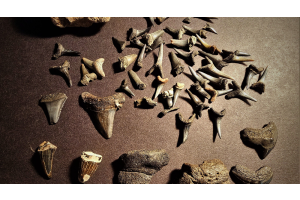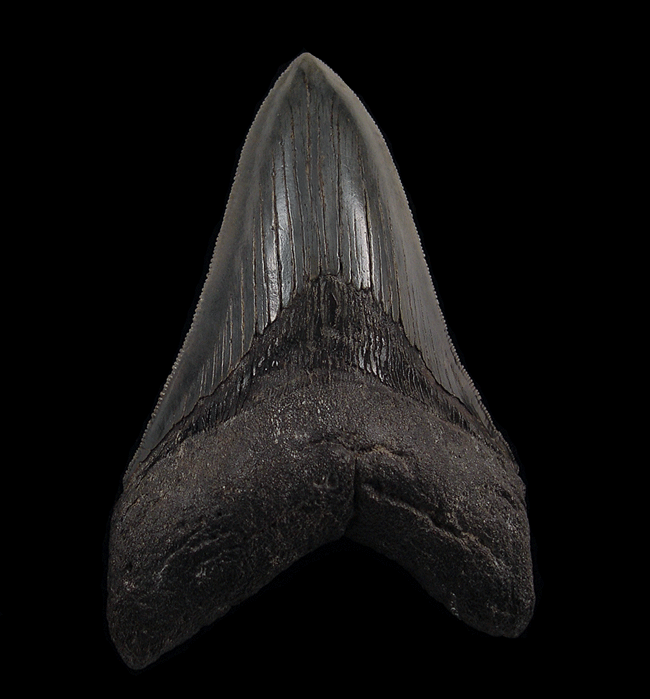
Beneath the riverbeds and along the sandy stretches of South Carolina's coast lies an astonishing glimpse into ancient oceans—a window that opens not with glass, but with enamel. Fossil enthusiasts, divers, and collectors have long sought relics from a species that once dominated Earth’s seas with quiet confidence. Tucked in this coastal region are extraordinary finds that carry the legacy of a truly massive prehistoric predator.
Fossil hunters often find themselves enchanted by one term during their search—Otodus megalodon. Of South Carolina. This particular classification isn’t just about naming a tooth. It’s about placing a story in context, assigning it a chapter in the marine archives of natural history. These fossils, when unearthed or recovered from blackwater dives, become more than artifacts—they become connections to a past filled with giants.
Let’s take a deeper look at why these specific fossilized teeth are among the most fascinating paleontological treasures available today.
The Mystique of a Lost Apex Predator
Megalodon wasn’t merely a large shark—it was a phenomenon. Believed to have reached lengths up to 60 feet, this shark roamed the waters millions of years ago, leaving behind formidable teeth as the most telling remnants of its existence. While megalodon teeth are found in various parts of the world, South Carolina’s specimens are known for their unique preservation.
Some fossils still carry a rich hue, thanks to the mineral-rich soil and sediment in which they settled. The region’s rivers, especially the Cooper and Wando, are known to yield teeth with complex color gradients—blues, grays, and even touches of rust or beige—that give each find its own identity.
Why South Carolina Is a Fossil Hotspot
Several factors make this state a dream for fossil collectors. South Carolina was once submerged beneath shallow seas during the Miocene and Pliocene epochs—prime periods for megalodon existence. As the ocean receded, it left behind layers of marine sediment, now fossilized.
Inland rivers cut through those layers, exposing fossil deposits and bringing ancient teeth closer to reach. Unlike fossils encased in deep rock, many South Carolina megalodon teeth are accessible by hand or simple dive expeditions. This accessibility doesn’t make them less valuable—it makes them more connected to nature’s timeline.
From Riverbed to Collection Display
Imagine descending into a dark, quiet river. The sunlight fades quickly, but your gloved hand moves with patience and focus. You sift through silt and pebbles, and then—something different. A triangle. Smooth ridges. Sharp serrations are still intact. You’ve surfaced with a piece of history.
Once cleaned and dried, the fossil reveals its age through its enamel, root formation, and coloration. Each detail offers clues to the megalodon’s diet, size, and time period. Some collectors focus on symmetry and serration sharpness, while others are drawn to fossil coloration or size alone.
Teeth from South Carolina are often well-preserved with minimal erosion. The distinctive shapes—some broad and squat, others elongated and razor-like—make them prized for both scientific and aesthetic reasons.
What Sets These Fossils Apart?
Beyond geological fortune, the Otodus megalodon specimens from this region display a unique combination of traits:
● Color Diversity: Teeth come in earthy blues, browns, and sometimes near-black tones, reflecting the specific minerals in the soil and water.
● Surface Detail: Minimal wear in many cases allows collectors to view delicate enamel patterns and root structure.
● Variety of Sizes: From small transitional teeth (possibly juveniles) to massive crown-sized specimens over 5 inches long.
● Accessibility: Rivers like the Edisto and Ashley are known among fossil divers for consistently offering impressive finds.
Each fossil carries the silent weight of time and the visible traces of nature’s preservation efforts.
Ethical Collecting and Conservation
As fossil hunting becomes more popular, it’s important to remember the balance between discovery and protection. Many of these fossils are collected from legally permissible waters, and responsible hunters follow local and state guidelines to ensure the process remains sustainable.
Additionally, ethical sourcing helps support scientific research. Some collectors choose to loan or donate their pieces for study, allowing researchers to build a better understanding of megalodon’s evolution and extinction patterns.
A Fossil with a Story to Tell
Every megalodon tooth is a story frozen in time—a fragment of a predator’s bite, a clue to ancient marine ecosystems, a chapter in Earth’s vast biological chronicle. South Carolina’s offerings are not simply teeth. They are time capsules washed clean by modern waters, still carrying the whisper of prehistoric tides.
When placed on a collector’s shelf or under a researcher’s lens, the value of these fossils goes beyond the physical. It becomes a dialogue between eras. A tangible link between what once was and what remains.
Why These Fossils Resonate with Enthusiasts
It’s not only their size that draws interest. It’s their character. Whether found by professionals or weekend explorers, megalodon teeth from South Carolina often feel more intimate. Their edges are sharp, their stories intact. Unlike relics buried deep in desert stone, these teeth emerge from environments still rich with movement and renewal.
Holding one, you may notice the balance between age and preservation. You’ll see the ridges formed by time and pressure. The tooth might seem quiet—but it speaks to those who listen.
Final Thoughts: Holding History in Your Hand
The moment you acquire a South Carolina megalodon tooth, you're doing more than owning a fossil. You’re holding a relic of nature’s deep past. It’s an opportunity to study, admire, or simply reflect on life before humans walked the Earth.
With the fossil’s intact symmetry and striking hues, it easily becomes a centerpiece—not only in a collection but in conversation. Whether you’re a seasoned paleontologist or an inspired first-time collector, there’s something quietly captivating about these finds.
The keyword Otodus megalodon - So. Carolina captures more than a scientific classification. It’s an invitation to discover, to learn, and to connect with nature’s oldest chapters.
Ready to Add a Piece of Prehistoric History to Your Collection?
Explore an authentic and ethically sourced selection of fossilized megalodon teeth today. Let your next conversation piece be one written by nature’s own currents.