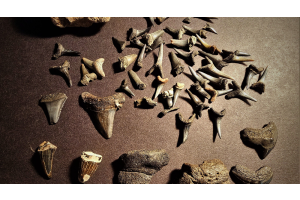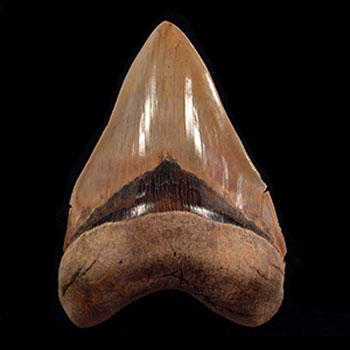
Megalodon teeth are some of the most captivating fossils that wash up on beaches today. Their sheer size and distinctive triangular shape instantly trigger curiosity—and for fossil hunters, finding one is a bucket-list moment. But what causes these ancient relics to suddenly appear on modern coastlines? Understanding how these teeth, millions of years old, make their way from ancient seabeds to sandy shores is a fascinating mix of geology, oceanography, and time. As fossil specialists, we’ve explored the forces behind these discoveries—like the megalodon tooth found in North Myrtle Beach—and we’re breaking it down here.
The Long Journey from Seafloor to Shore
Megalodon teeth didn’t start out near the beaches we stroll today. These fossils originate from sedimentary layers that once formed the seafloor during the Miocene and Pliocene epochs, roughly 3.6 to over 20 million years ago. As the massive sharks died, their teeth settled into the marine sediments. Over millennia, natural geological processes—especially shifting sea levels and tectonic uplift—brought some of these fossil-rich layers closer to the Earth's surface.
Eventually, erosion and underwater currents began exposing these layers. Coastal areas like North and South Carolina, Florida, and parts of California are known for this exact reason: they lie over or near ancient fossil beds that are gradually being worn away by ocean forces. That’s how a megalodon tooth found in North Myrtle Beach might have started its journey from the ancient seabed to the surf.
Why Certain Beaches Yield More Teeth
Not all beaches are equal when it comes to fossil hunting. Some spots become megalodon tooth hotspots due to a combination of geographic location, erosion rates, water currents, and human activity like dredging. Along the southeastern United States, particularly in the Carolinas, these factors converge perfectly.
Beaches that receive sediments from inland rivers or coastal dredging operations often show higher occurrences of fossil teeth. These manmade movements stir up fossil-bearing strata, releasing more material into ocean currents, which eventually deposit the teeth on nearby beaches.
North Myrtle Beach, for instance, is popular among collectors because of its proximity to ancient fossil beds and the consistent tidal action that brings hidden fossils to the surface. When you hear about a megalodon tooth found in North Myrtle Beach, it's likely because the conditions there routinely expose more fossil material than other coastal spots.
How Currents and Tides Help Fossils Surface
Ocean currents play a critical role in unearthing and transporting fossils. Once a megalodon tooth is dislodged from a fossil bed—either naturally through erosion or artificially via dredging—it becomes mobile. Depending on its size, density, and the nature of the seafloor, the tooth can move with underwater currents toward shallower water.
Wave energy near the shoreline then completes the journey. On days with strong surf, these teeth can get pushed ashore, making beachcombing after storms or high tides especially fruitful. If you’re lucky, you might stumble upon a large fossil right where the tide line meets the sand.
This is also where timing and patience come into play. Regular fossil hunters often walk the beach during low tide when the water has receded and exposed freshly moved sediment. That’s when finds like a megalodon tooth found in North Myrtle Beach are most likely to happen.
The Role of Erosion and Coastal Weather
Erosion is one of the most significant factors behind the exposure of megalodon teeth. Coastal cliffs and underwater fossil deposits wear away over time due to wave action, rainfall, wind, and rising sea levels. Each erosion event removes a thin layer of sediment, sometimes revealing a new layer of fossils underneath.
Storm events, especially tropical storms and hurricanes, accelerate this process. These storms bring strong wave action that can drastically shift sands and underwater sediments, unearthing teeth and other fossils that have been hidden for centuries or even millennia.
That’s why fossil finds often spike after major weather systems. It’s not just luck—it’s science. If you’re thinking about searching for such events, these are the ideal windows when conditions align for major discoveries.
How Age and Preservation Affect Discovery
The enamel of megalodon teeth is incredibly strong, which helps explain why they survive for millions of years. However, their condition when found depends heavily on environmental exposure. Teeth that have only recently been eroded out of sediment tend to be in much better shape than those that have tumbled through currents or sat in exposed areas for long periods.
Color also tells a story. Fossilized teeth change color depending on the minerals in the sediment in which they were buried. A tooth from North Myrtle Beach might appear dark gray or black, while one found in a different area could be tan, reddish, or even bluish. These differences can help collectors trace the likely origin of the fossil.
And while full, pristine megalodon teeth are rare, even partial finds offer significant value and insight into prehistoric marine life.
Beachcombing Tips for Aspiring Collectors
If you're interested in finding one yourself, here are some practical tips:
● Time your visits: Early morning and right after high tide are prime times.
● Look for low tide conditions: When more of the beach is exposed, your chances improve.
● Scan the surf zone: Teeth often rest just below the wet sand or in shallow water.
● Use simple tools: A sand sifter or small hand rake can help in breaking apart shells and sediment.
● Check areas near outflow: Places where rivers or storm drains enter the ocean can carry fossil material from inland.
Fossil Hunting Laws and Ethics
Before collecting, always check local regulations. Some areas restrict or prohibit fossil removal, especially in state parks or protected coastlines. Responsible collecting means respecting the natural environment and the rules in place to preserve it.
Also, keep in mind that while finding a tooth is exciting, it's part of a much larger paleontological record. The scientific value of these fossils goes beyond collection—they help researchers understand ancient ecosystems, climate shifts, and the life cycles of marine predators.
Why These Teeth Still Matter
Megalodon teeth are more than just impressive souvenirs. Each one carries clues about one of the largest predators ever to exist, giving us insight into how these sharks lived, fed, and disappeared. When a megalodon tooth found in North Myrtle Beach turns up, it connects modern-day observers with a creature that ruled the oceans millions of years ago.
This link between past and present is part of what drives continued fascination. Whether you’re a seasoned fossil hunter or a beachgoer lucky enough to find one unexpectedly, holding a megalodon tooth is like holding a time capsule from Earth’s ancient past.
Conclusion: Where Fascination Meets Fossil
Megalodon teeth continue to wash up on beaches because of a remarkable mix of erosion, tides, and ancient geology. Places like North Myrtle Beach, with their fossil-rich coastal dynamics, make these discoveries possible. Whether it's your first or your hundredth, spotting a megalodon tooth found in North Myrtle Beach will always feel like a discovery that connects you directly to a lost chapter of our planet’s history.
If you're ready to explore or start your collection, Buried Treasure Fossils offers a curated selection of authentic megalodon teeth and other fossilized treasures. We know how thrilling it is to hold one of these prehistoric artifacts—and we’re proud to help make that experience available to collectors around the world.
Contact us now to find your next megalodon tooth—authentic fossils, expert support, and fast shipping await your collection.