

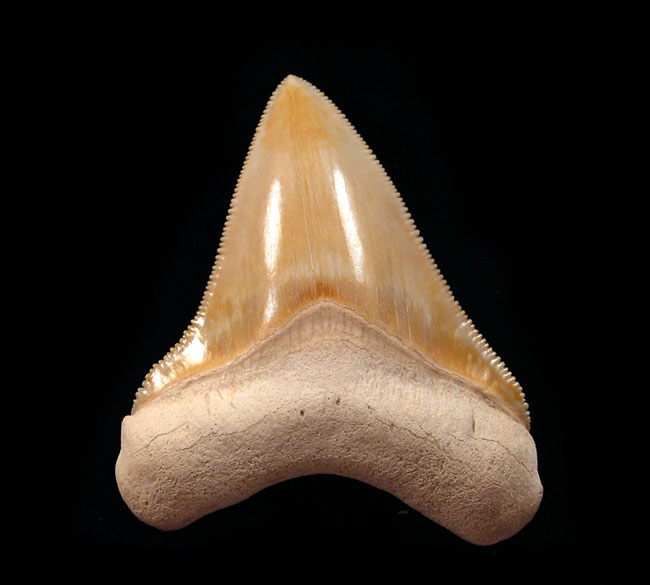
Every fossil collector dreams of holding a genuine piece of prehistory in their hands—a fossilized trace of one of the ocean’s greatest predators. We’ve seen countless examples of the legendary Megalodon teeth, but few compare to the exceptional preservation and color variety found in the Bone Valley Megalodon tooth. These fossils captivate both experienced collectors and newcomers because of their distinct beauty, rarity, and the unmistakable geological story they carry within each serrated edge.
Why Bone Valley Megalodon Teeth Are So Special
The name “Bone Valley” refers to a rich fossil-bearing formation that has produced some of the most visually striking Megalodon teeth ever discovered. Unlike darker specimens from other regions, these teeth often feature extraordinary hues—white, cream, tan, blue, and even gold tones. Each color variation reflects the specific minerals that surrounded the tooth during fossilization, resulting in natural patterns that make every specimen one-of-a-kind.
Collectors admire these fossils not only for their aesthetic appeal but also for their geological importance. Dating back to the Miocene and Pliocene epochs—approximately 10 to 15 million years ago—these teeth represent the ancient lineage of the Megalodon, a shark that once ruled the seas with unmatched power. Their preservation in phosphate-rich deposits has helped protect the enamel and serrations, leaving behind fossils that seem almost untouched by time.
Key Features of an Authentic Bone Valley Megalodon Tooth
When examining a specimen, there are several physical characteristics that help determine authenticity and quality. Paying close attention to these details can make the difference between owning a true fossil treasure and purchasing a restoration or replica.
1. Enamel Quality
One of the most noticeable traits of a genuine Bone Valley specimen is the exceptional enamel finish. Authentic teeth display a glossy, glass-like sheen that highlights the intricate color transitions. The surface should feel smooth yet firm, with no evidence of artificial polishing or paint. Natural wear marks or small surface pits are normal and even desirable—they confirm the tooth’s age and authenticity.
2. Color Variations
Bone Valley Megalodon teeth are renowned for their vibrant colors. While other fossil localities yield mostly dark grey or black specimens, these fossils stand out with creamy whites, pale blues, light tans, or even pastel greens. The color is entirely natural, caused by phosphate minerals in the sediment during fossilization. Consistent and well-blended tones suggest authenticity, while overly bright or uneven patches may indicate artificial enhancement.
3. Serration Integrity
The Megalodon’s serrations are one of its most iconic features. On a genuine fossil, these serrations appear sharp and uniform, especially along the edges and near the tip. They should show subtle wear from natural fossilization processes, not fresh or mechanically sharpened marks. Intact serrations with clear definition significantly increase the specimen’s value.
4. Root Structure
The root of an authentic Bone Valley Megalodon tooth is equally important in confirming its genuineness. It should be complete, dense, and naturally textured—not smooth like resin or composite material. Look for small mineral deposits within the crevices of the root; these often form during fossilization and serve as a strong indicator of authenticity. Repairs or restorations are common in lower-quality specimens, so examine the root closely for color mismatches or unnatural bonding lines.
Common Signs of Restoration and Replicas
While the market for Megalodon fossils is thriving, it has also led to an increase in artificially restored or replicated teeth. Knowing what to watch out for protects collectors from costly mistakes.
Filled or Repaired Roots
Restored teeth often have roots filled with synthetic materials to replace missing fragments. The color and texture of these areas rarely match the surrounding fossil material perfectly. When inspected closely under good lighting, these sections may appear dull or slightly rubbery.
Painted or Polished Enamel
Artificial polishing gives replicas a plastic-like shine. True fossils, while glossy, never look “coated.” Similarly, painted colors can appear overly vibrant or uniform. A genuine tooth shows a natural gradation of tone from the enamel to the root, not a hard-painted line.
Resin or Composite Casts
Some replicas are made entirely of resin molds and may appear nearly identical to the real thing from afar. However, they often lack weight and temperature consistency—a true fossil feels cool and heavy to the touch. Small air bubbles or mold lines along the sides can also betray artificial casting.
What Makes Authenticity So Valuable
Authenticity directly affects not only a fossil’s monetary value but also its historical and scientific worth. A verified tooth from the Bone Valley region carries a story written in its composition. Its distinct mineral patterns, coloration, and condition offer insights into ancient marine environments and preservation processes.
For collectors, the appeal of an authentic specimen goes beyond aesthetics. Genuine fossils connect us with the deep past—an era when Megalodon sharks grew up to sixty feet long and their teeth could reach over seven inches. Owning an authentic specimen means owning a direct fragment of that history, not just a decorative piece.
How to Evaluate and Verify Before Buying
Whether purchasing from a reputable dealer or a private seller, these steps can help confirm a tooth’s authenticity:
Ask for Provenance
A trustworthy source should be able to provide background details about where and how the specimen was found. While exact site information is often protected, sellers should still disclose the regional origin and geological layer.
Examine Under Natural Light
Natural sunlight reveals color consistency and fine details better than artificial light. Look for genuine mineral inclusions and natural surface texture.
Check for Certification
Many professional fossil dealers offer authenticity certificates or detailed item descriptions that include age, formation, and fossil condition. Always read these carefully and cross-check any listed information with known data about Bone Valley specimens.
Compare with Verified Examples
Review reference images or descriptions from well-established fossil galleries. Familiarizing yourself with verified examples helps you spot inconsistencies more easily.
Why Collectors Treasure Bone Valley Specimens
Collectors value these fossils for their aesthetic uniqueness and geological clarity. Unlike more common black specimens, the Bone Valley variety combines scientific significance with remarkable visual character. Each tooth captures a blend of soft color gradients, detailed serrations, and robust enamel that reflects millions of years of preservation.
Owning such a fossil is more than acquiring a relic; it’s an experience that connects collectors with the evolution of one of nature’s most powerful marine hunters. Every ridge, curve, and color variation offers a silent record of ancient oceans teeming with life.
Caring for and Displaying Your Megalodon Tooth
Proper care ensures that your fossil remains stable and visually striking for years to come. Keep it away from direct sunlight and excessive humidity, as both can alter coloration or surface integrity. Use soft brushes or cloths to remove dust and avoid harsh chemicals or cleaners. When displaying, a simple stand or shadow box allows the tooth to remain the focal point without additional distractions.
For serious collectors, cataloging details such as specimen size, weight, and any distinctive features helps preserve both the scientific and collectible value. Treating your fossil with care maintains its integrity and appeal over time.
Conclusion
A genuine Bone Valley Megalodon tooth is more than a fossil—it’s a tangible link to an ancient ocean and a creature that once defined marine power. Its color, enamel, serrations, and natural form all serve as a testament to Earth’s long and dynamic history. Understanding how to identify authentic specimens ensures that collectors bring home not just a fossil, but a true piece of prehistoric legacy.
At Buried Treasure Fossils, enthusiasts and collectors can explore verified specimens that showcase this remarkable blend of rarity, color, and preservation. Each tooth tells its own story, offering a timeless reminder of nature’s enduring artistry.
Have questions or need help choosing your fossil? Contact us today for expert guidance and exclusive Megalodon tooth selections.






