

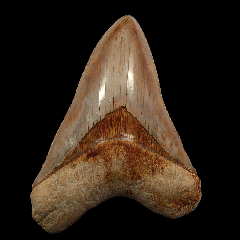
Collectors often notice that not all Megalodon teeth feel or look the same, even when they come from similar time periods. Subtle differences in color, weight, and surface texture tell a deeper geological story shaped by ancient seas. Within the first moments of comparison, experienced enthusiasts quickly recognize why megalodon teeth in Florida hold a special place in American fossil collecting, especially when evaluated alongside specimens from Georgia or the Carolinas.
Florida’s reputation among intermediate collectors comes from more than abundance. The state’s unique sediment layers, mineral-rich waters, and long exposure to marine conditions create teeth that stand apart visually and structurally. These factors influence everything from enamel sheen to coloration patterns, making Florida material instantly recognizable once collectors learn what to look for.
Florida’s Distinctive Coloration and Visual Appeal
Florida Megalodon teeth often display a dramatic range of colors that collectors rarely see elsewhere in the U.S. Phosphate-rich sediments infuse teeth with deep blacks, jet grays, warm browns, and even striking blues or reddish hues. These colors do not fade; instead, they penetrate the enamel and root, creating bold contrasts that photograph beautifully and display well.
In comparison, Georgia teeth usually lean toward lighter tans and sandy browns due to different sediment compositions. Teeth from the Carolinas, especially Lee Creek, frequently show muted grays or olive tones. Florida’s coastal and riverine deposits, however, encourage mineral replacement that intensifies color saturation, giving many specimens a richer, more dramatic appearance.
Enamel Quality and Surface Definition
One of the most valued traits among seasoned collectors involves enamel preservation. Florida deposits often protect enamel exceptionally well, allowing serrations to remain crisp and clearly defined. Even mid-sized teeth frequently retain sharp cutting edges and smooth enamel faces, traits that elevate both aesthetic and scientific value.
Because Florida fossils often form in softer sediments, enamel avoids the heavy abrasion sometimes seen in harder clay or gravel deposits. Teeth from the Carolinas may show excellent size but occasionally suffer from edge wear, while Georgia specimens sometimes exhibit chalkier surfaces. Florida teeth frequently strike a balance between size, clarity, and surface integrity, which explains their steady demand.
Preservation Through Geological Conditions
Preservation quality depends heavily on how long teeth remain undisturbed after fossilization. Florida’s shallow seas, ancient river systems, and gradual sediment buildup shielded many teeth from destructive pressure. As a result, roots often remain intact, showing detailed bourlettes and natural curvature that collectors value for display.
In contrast, teeth from dredged river deposits in other states may experience more tumbling, which rounds roots and dulls enamel edges. Florida’s calmer depositional environments allow fossils to rest longer without aggressive movement, producing specimens that feel heavier and more complete in hand.
Comparing Florida With Georgia and the Carolinas
When collectors compare megalodon teeth in Florida to those from neighboring states, differences quickly become apparent. Georgia teeth frequently appear lighter and more uniform in color, appealing in their own way but less dramatic. Carolinas teeth often impress with size, especially from Lee Creek, yet may show more consistent coloration and occasional feeding damage.
Florida teeth stand out by combining visual diversity, strong enamel preservation, and consistent structural integrity. This combination makes them highly versatile, appealing to collectors who value both display quality and scientific character.
Why Florida Teeth Appeal to Intermediate Collectors
Intermediate collectors often move beyond size alone and begin prioritizing condition, color, and provenance. Florida teeth reward this deeper evaluation. Each specimen reflects millions of years of environmental history, captured through mineral staining and preservation patterns that differ even within the same region.
Buried Treasure Fossils carefully sources Florida material with attention to legality, authenticity, and overall quality. By focusing on enamel condition, root completeness, and coloration, the selection supports collectors who want meaningful upgrades rather than random additions.
Educational Value and Collector Confidence
Florida Megalodon teeth also support learning. Color variations help illustrate fossilization processes, while preserved serrations demonstrate feeding adaptations of this apex predator. For collectors who enjoy understanding the story behind a specimen, Florida teeth provide clear visual cues tied directly to prehistoric ecosystems.
Buried Treasure Fossils emphasizes this educational aspect by offering detailed descriptions and transparent locality information. This approach allows collectors to compare Florida specimens confidently against teeth from other U.S. localities without guesswork.
Conclusion: Choosing Florida for Depth, Color, and Character
Among U.S. localities, megalodon teeth in Florida consistently deliver a rare combination of bold coloration, strong enamel quality, and excellent preservation. These traits distinguish them from Georgia and Carolinas specimens while offering intermediate collectors depth, variety, and long-term value. For those looking to refine a collection with pieces that balance visual impact and authentic history, Florida material remains a compelling choice. Exploring well-curated selections and adding a carefully chosen Florida tooth allows collectors to elevate their displays while deepening their connection to prehistoric life.






