

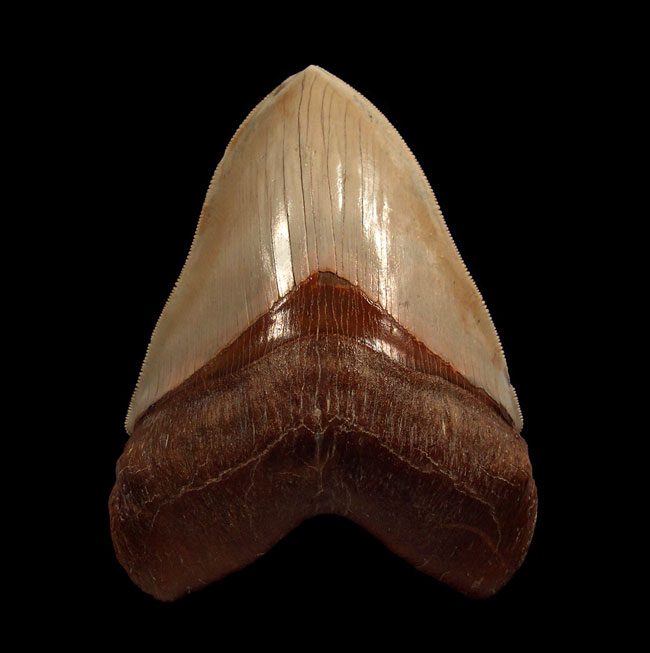
Megalodon teeth are more than ancient fossils—they’re pieces of prehistory that spark awe the moment you see them. The sheer size and sharp details leave people amazed, almost as if they’re holding a relic from a shark that once ruled the seas. For collectors, that fascination often carries a steep price, sometimes reaching thousands of dollars. And when it comes to the most expensive megalodon tooth in Texas, or anywhere else, the value comes down to specific features that set one fossil apart from another.
Let’s explore what makes certain teeth command such extraordinary value.
Size: The First Factor Everyone Notices
When discussing value, size is often the first thing collectors and enthusiasts mention. The largest megalodon teeth can exceed seven inches in length, a scale that instantly demands attention. To put that in perspective, a seven-inch tooth came from a shark estimated to be over sixty feet long—bigger than a school bus. It’s no wonder that larger specimens fetch higher prices, sometimes reaching record-breaking levels at auctions.
Size alone doesn’t tell the whole story, though. Two teeth of similar length can have very different values depending on condition and other attributes. Still, size remains the dramatic centerpiece, the factor that ignites conversation, and the feature most newcomers look at first when deciding whether a fossil is worth investing in.
Color: Nature’s Unexpected Artwork
Color plays an enormous role in how collectors view a megalodon tooth. Unlike bones that turn chalky white, fossilized shark teeth can display a wide range of shades—black, gray, tan, blue, even fiery orange or golden hues. These colors are not painted or enhanced; they result from the minerals present in the surrounding sediments where the tooth fossilized.
That means two teeth from the same shark, buried in different conditions, can end up looking completely different. Striking colors, especially rare ones, can dramatically increase a fossil’s worth. A tooth with a uniform jet-black surface, or one displaying rich golden tones, will always catch more attention than a common gray specimen. For many buyers, the beauty of color is just as important as the size.
Preservation: The Story Told by Time
Not all megalodon teeth survive the ages in the same way. Some emerge heavily worn, with broken edges or cracks running through them. Others appear remarkably intact, as if time barely touched them. The difference in preservation is a key factor in determining value.
A well-preserved tooth shows smooth enamel, strong root structure, and minimal damage.
Collectors look closely for signs of erosion or restoration. While some flaws are acceptable, especially on larger specimens, the most prized fossils are those that maintain their original form. A six-inch tooth in near-pristine condition can be worth far more than a seven-inch tooth that is chipped and cracked. Preservation is, in many ways, the silent factor that determines whether a tooth is worth hundreds or thousands.
Serrations: The Razor-Edge Legacy
One of the most captivating features of a megalodon tooth is its serrated edge. These tiny ridges once allowed the shark to tear through prey with astonishing force. For collectors, intact serrations are a mark of rarity and value. The sharper and more complete the serrations, the more desirable the fossil becomes.
It’s not unusual to find large teeth where time has worn the serrations away, leaving a smooth edge. While still impressive, these fossils don’t hold the same premium value as those with crisp, well-defined ridges. The presence of serrations makes a tooth feel alive—like a tool that could still do its terrifying job. And when it comes to pricing, sharp serrations can easily be the deciding factor that transforms an impressive fossil into one of the most expensive megalodon teeth in Texas or beyond.
Fossil Origin: Where the Tooth Began Its Journey
The story of a tooth doesn’t just begin with the shark—it also includes the place where it fossilized. Origin plays a massive role in value. Certain locations are known for producing exceptional specimens with unique colors, sizes, or preservation qualities. Collectors pay close attention to this because the origin provides context and authenticity.
For example, some areas yield teeth with rare mineral staining, while others are famous for producing particularly large specimens. Provenance also assures buyers that the tooth is genuine and responsibly sourced. A fossil with a clear and documented origin often holds more value than one with no traceable history.
Why Some Teeth Cross Into the Thousands
When size, color, preservation, serrations, and origin all align in one specimen, the result is extraordinary. These are the teeth that attract headlines, excite collectors, and command the highest bids. Imagine a seven-inch tooth with golden hues, sharp serrations, and flawless enamel—such a fossil is more than a relic; it’s a masterpiece of natural history.
That’s why some megalodon teeth are not just valued as fossils but also as rare collectibles, much like gemstones or fine art. The emotional appeal is undeniable. To own one is to hold millions of years in your hands, a tangible link to one of the most powerful predators the oceans have ever known.
Collecting as a Journey, Not Just a Purchase
For many, buying a megalodon tooth isn’t just about the object itself—it’s about the story and the experience. Each fossil carries with it a history written by nature. Collectors often describe the thrill of discovery, the awe of seeing remarkable preservation, and the pride of adding such a rare piece to their collection.
We see this fascination grow, especially among new enthusiasts who realize that collecting isn’t about amassing dozens of teeth but about choosing the right ones. When you hold a specimen that combines size, beauty, and history, the feeling is incomparable. That sense of awe is what drives demand and explains why people are willing to pay thousands for a single tooth.
The Balance Between Science and Emotion
What makes these fossils so captivating is the balance between cold facts and raw emotion. On the scientific side, megalodon teeth tell us about an apex predator that shaped marine ecosystems millions of years ago. On the emotional side, they create a sense of wonder, an almost cinematic feeling of being connected to something bigger than ourselves.
Collectors straddle both worlds. They admire the details of enamel, serrations, and fossilization while also appreciating the thrill of displaying a relic that sparks conversation and admiration. That dual appeal—scientific significance and emotional impact—is a major reason why values can soar.
Conclusion
The value of a megalodon tooth comes down to a powerful mix of size, color, preservation, serrations, and origin. Each factor tells part of the story, and when they come together, the result can be breathtaking—both visually and financially. Whether it’s the most expensive megalodon tooth in Texas or another remarkable find elsewhere, these fossils remind us of the immense scale of nature and the lasting legacy of an ancient giant.
We recognize that owning such a piece isn’t just about price—it’s about connection, wonder, and history. That’s what makes a megalodon tooth worth thousands, and why collectors continue to treasure them as some of the most extraordinary fossils ever discovered.
Own a rare piece of history—explore authentic megalodon teeth today and start your fossil collection with confidence and fascination.






