

The megalodon has long sparked curiosity and awe. For centuries, fossilized teeth of this extinct giant shark have fascinated collectors, scientists, and ocean enthusiasts. Since teeth are often the only remains left behind, they’ve become the key to measuring the scale of this prehistoric predator. Naturally, size takes center stage—and so do the myths. Many still wonder: how big was the megalodon tooth? Exploring the facts helps reveal what makes these fossils extraordinary, why they’re prized treasures, and how to separate legend from reality.
Let’s explore what science and fossil evidence really tell us.
Myths About Megalodon Tooth Size
Stories about megalodon teeth have circulated for centuries. Ancient cultures often mistook them for "dragon tongues" or relics from mythical sea monsters. Over time, sensational accounts began exaggerating their size, sometimes claiming they reached a foot and a half long. These tales fueled the image of the megalodon as an almost supernatural predator, far beyond anything the oceans had ever seen.
The fascination makes sense—these triangular fossils are striking, and when held in the palm of a hand, they already feel otherworldly. However, myths often blur into exaggeration. While megalodon teeth are undeniably massive, fossil evidence provides a more measured but equally astonishing reality.
Fossil Evidence: What Science Reveals
Fossil teeth are the primary evidence used to understand the megalodon’s size because cartilage, which made up most of its skeleton, rarely fossilizes. Paleontologists measure teeth to estimate the overall length of the shark, and the results still showcase a predator unlike any other.
On average, most megalodon teeth measure between 4 and 7 inches. To put that in perspective, the largest great white shark teeth usually top out around 2.5 inches. That means a megalodon tooth could be almost three times larger than the great white’s.
A handful of truly extraordinary specimens exceed 7 inches, with the largest confirmed tooth measuring about 7.5 inches in length. This fossil is often considered the benchmark for the extreme upper size of megalodon teeth.
So while the myths about foot-long teeth may not hold up, the reality is still awe-inspiring. A 7-inch serrated fossil tooth is a relic of an apex predator that once ruled the oceans with unmatched power.
What Tooth Size Tells Us About Megalodon
Teeth aren’t just static fossils—they tell us about the shark’s feeding habits, growth, and even how it lived. Megalodon teeth have a distinctive triangular shape with fine serrations, designed for slicing through flesh and bone. The sheer width and thickness also suggest a feeding style focused on large prey, such as whales and other marine mammals.
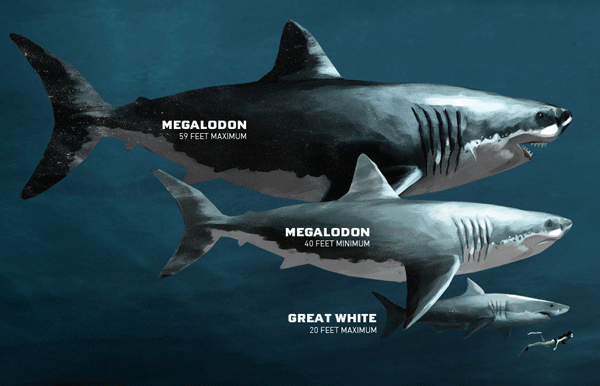
But tooth size also helps estimate body size. Using formulas that compare tooth height to jaw length, scientists estimate that megalodons reached up to 50–60 feet in length. That’s nearly three times the length of the largest great white sharks alive today. When someone asks, How big was the megalodon tooth, the answer connects directly to just how massive the shark itself was.
This connection between teeth and body size makes them more than just fossils—they’re scientific tools that reconstruct the image of a long-extinct ocean giant.
Comparing Megalodon Teeth to Great White Teeth
Placing a megalodon tooth next to a great white’s immediately highlights the difference. While the shapes are similar—both triangular and serrated—the scale changes everything. The largest megalodon teeth are so broad they can barely fit in an adult’s palm, while a great white tooth seems small by comparison.
This visual comparison often fuels myths, but it also sparks appreciation. Holding these fossils side by side allows us to see the evolutionary relationship between sharks, yet also underscores how extraordinary megalodon truly was. It isn’t just about size—it’s about scale, power, and the history written into fossilized enamel.
Why Megalodon Teeth Became Collectors’ Favorites
Megalodon teeth have become some of the most sought-after fossils worldwide. Collectors treasure them not only for their size but also for their variety. Colors range from jet black to warm browns, tans, grays, and even blue hues, depending on the minerals present in the sediment where they fossilized.
Some teeth show wear from feeding, while others remain razor-sharp, looking like they were lost only yesterday. Each tooth tells a story—from the environment it fossilized in to the life of the shark that once carried it. That mix of natural history and personal connection makes them irresistible to fossil enthusiasts.
Myths vs. Reality: Putting the Size Debate Into Context
The myth of 12-inch teeth may be entertaining, but it overlooks how remarkable the actual fossils are. Imagine holding a 7-inch serrated tooth, thick enough to withstand incredible bite forces, belonging to a shark more than 50 feet long. That’s no exaggeration—it’s a real piece of Earth’s history preserved for millions of years.
When asking how big the megalodon tooth is, the reality is both scientifically grounded and still astonishing. Most fossils fall in the 4–7 inch range, with rare specimens exceeding 7 inches. That scale alone dwarfs any modern shark tooth and reminds us why megalodon continues to inspire awe.
The Legacy of the Megalodon Through Its Teeth
Even though megalodons disappeared about 3.6 million years ago, their teeth remain as a lasting legacy. Each fossil represents not just the size of the shark but its dominance as an apex predator. These teeth tell us about ecosystems, prey species, and the scale of life in prehistoric oceans.
Collecting and studying these fossils is more than a hobby—it’s a way to connect with history. Holding one brings a tangible link to an ancient ocean, a time when sharks the size of buses hunted whales across open seas. It’s an experience that bridges science and imagination.
Why These Fossils Still Capture Our Imagination
There’s something universal about being captivated by shark teeth. Kids marvel at them, scientists analyze them, and collectors display them proudly. They embody a mix of wonder and curiosity that keeps the megalodon alive in conversations, documentaries, and fossil collections.
And unlike myths that inflate their size beyond reality, the truth doesn’t need embellishment. The facts are incredible enough. A fossil tooth measuring over 7 inches, belonging to one of the largest predators to ever exist, already tells a story bigger than myth.
Conclusion
So, how big was the megalodon tooth? Fossil evidence shows most were between 4 and 7 inches, with exceptional specimens reaching around 7.5 inches. While myths exaggerate the size, the truth is no less impressive. These teeth are not only massive compared to modern sharks but also serve as powerful tools for understanding the size, behavior, and dominance of this prehistoric predator.
As collectors and enthusiasts, we continue to marvel at these fossils. When we hold a megalodon tooth in our hands, we hold a direct link to history—a connection to a shark that once ruled the oceans. That sense of wonder is what keeps the fascination alive and invites us to imagine the world beneath the waves millions of years ago.
Hold a piece of history in your hands—start exploring authentic megalodon teeth fossils today and add ocean legends to your collection.






