

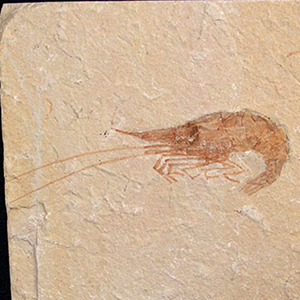
Fossils are more than just ancient remnants of prehistoric life—they're windows into Earth's past, pieces of natural art, and, for many collectors, valuable investments. But while you can find fossils for sale including fascinating specimens like ammonites, trilobites, and marine reptile teeth—some fossils can fetch tens or even hundreds of thousands of dollars.
So, what exactly drives the price of a fossil sky-high? Let’s break it down by examining the science, the rarity, and the market forces behind the growing fascination—and value—of fossils.
The Scientific Value: More Than Just Old Bones
Fossils are often priced based on their scientific significance. While not every fossil is destined for a museum, those that shed new light on evolutionary history, species development, or geologic events can command high prices. Specimens representing new or rare species, like a nearly complete dinosaur skeleton or a fossil with unusual pathology (deformities or growth abnormalities), are often considered priceless in academic circles.
Even more "common" fossils—such as teeth from prehistoric sharks or crocodiles—can have added value if they’re well-preserved and have diagnostic features. For example, a beautifully articulated Otodus shark tooth with a unique split tip can captivate collectors and scientists alike.
However, many of the fossils sold online or in stores are not used for scientific research. Instead, they are carefully curated for educational use, interior decoration, or personal collections—appealing to a wide audience with prices that range from under $50 to tens of thousands.
Rarity and Preservation: The Fossil Market’s Twin Engines
One of the most critical factors in determining fossil value is rarity. Just like fine art or rare gemstones, a fossil's scarcity can significantly affect its price. But rarity in the fossil world is nuanced. A fossil might be rare because:
● The species it came from was uncommon in its time.
● It lived in an environment where fossilization was unlikely.
● The fossil was preserved in an extraordinary way (e.g., soft tissue impressions or mineral replacements like agate).
For instance, Moroccan Dicotaledon fossils—sometimes called "Moroccan pine cones"—are found only in specific sediment layers and are occasionally replaced with minerals like agate, which enhances their aesthetic and collectible appeal. Similarly, fossils from regions like the Kem Kem beds of Morocco or the Sharktooth Hill formation in California gain extra value from their preservation quality and geological exclusivity.
Preservation is the second half of the pricing puzzle. A fossil that’s fully intact, has all its natural features visible, and shows little to no restoration work will command a higher price. Color, clarity, and structure all matter, especially in fossils like shrimp burrows, dolphin ear bones, and marine reptile teeth.
Hype, Market Trends, and Collector Appeal
The fossil market is influenced not just by science and scarcity but also by trends and collector demand. Media exposure, celebrity auctions, or even blockbuster movies can cause fossil prices to spike. Think about how dinosaur bones surged in popularity after Jurassic Park or how Megalodon teeth are continually hyped by shark documentaries.
Collectors often chase specific categories—dinosaur bones, trilobites, or prehistoric marine life. That means certain items, like a well-preserved Manatee vertebra or an unusually shaped mosasaur tooth, can become hot commodities even if similar fossils were previously available for modest prices.
There's also a psychological element to the market: owning a real piece of prehistoric life can feel like holding time itself in your hands. This emotional appeal adds perceived value beyond scientific or material worth.
Online stores offering fossils for sale often curate their collections to appeal to both casual buyers and serious collectors. Whether it’s a crinoid stem plate from Ohio or a crocodile tooth from Morocco, each fossil tells a story—and the better the story, the higher the price tag.
Size Isn’t Everything, But It Does Matter
A larger fossil isn’t always more valuable—but in many cases, size does impact pricing. A full-length rib bone from a Manatee or a six-inch Marlin rostrum (snout) offers more visual appeal and presence than a thumbnail-sized specimen. Bigger fossils are also more challenging to recover intact, adding to their value.
However, quality often outweighs size. A small but perfectly preserved fossil can outprice a larger, more damaged one. For example, a well-defined dolphin ear bone or an intricately detailed coprolite (fossil dung) can attract attention from collectors for its uniqueness and fine features.
Location, Location, Location
Just like real estate, location plays a huge role in fossil pricing. Fossils from legally excavated and scientifically significant areas—like the Peace River in Florida or the phosphate beds in Morocco—carry more credibility and often higher price points. These sites are known for yielding high-quality, authentic fossils, and sellers often provide detailed documentation about the age, formation, and origin of the fossil.
Some buyers specifically look for fossils from a particular geologic era or region, like Miocene dolphin fossils or Cretaceous crocodile teeth. Sellers who offer verified specimens from these locations tend to attract repeat customers and fossil enthusiasts.
Authenticity and Ethical Sourcing
Buyers are becoming more conscious of where their fossils come from and whether they’ve been legally obtained. Authenticity guarantees, clear provenance, and ethical sourcing practices are now more important than ever.
Online platforms that advertise fossils for sale often clarify which specimens are replicas and which are 100% authentic. For example, a replica of a spiny trilobite may be clearly labeled as such, while other offerings emphasize no repair or restoration.
Sourcing from reputable dealers helps maintain the integrity of the market and protects important paleontological resources. It also gives buyers peace of mind—knowing their investment isn’t supporting fossil smuggling or unethical excavation.
The Role of Aesthetic and Display Quality
Some fossils are valued primarily for their visual appeal. A perfectly symmetrical ammonite, a richly colored mosasaur tooth, or a fossil with mineral inclusions like agate or quartz can become centerpieces in homes, offices, or educational exhibits. These fossils often blur the line between science and art.
Mounting, framing, and packaging also influence fossil value. A well-prepared and labeled fossil will typically fetch a higher price than an unprepared or poorly documented one, even if the specimens are identical.
Retailers that specialize in fossils for sale understand this and often present their items with professional photos, size details, and descriptive histories, making them more attractive to both novice and seasoned buyers.
Why Some Fossils Sell for Thousands
In the world of fossil collecting, value is shaped by multiple forces: scientific significance, rarity, preservation quality, market trends, origin, authenticity, and even aesthetic beauty. Whether you’re picking up a coprolite or searching for a statement piece like a giant marine reptile tooth, the price tag reflects much more than just age.
While it’s exciting to find fossils for sale under $50, remember that the leap from affordable to priceless is often a matter of context, quality, and demand. Fossils are timeless—both literally and in their enduring appeal—and their worth continues to evolve with every new discovery, collector, and conversation.






