

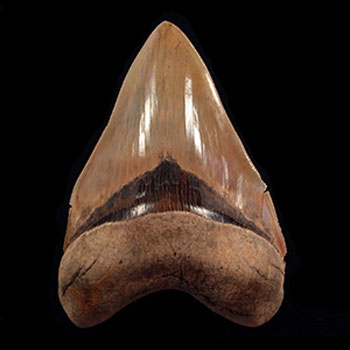
Fossil collecting is one of those pursuits that sparks curiosity, passion, and sometimes even a little competition. Whether it’s the awe of holding a piece of ancient history or the thrill of adding something rare to a collection, value plays a vital role in the journey. As collectors, we often ask: What exactly makes a fossil valuable? From massive shark teeth unearthed along ancient coastlines to delicate bones preserved in stone, certain features consistently shape their worth. A megalodon tooth in North Carolina, for example, can fetch attention not only for its prehistoric origins but also for its striking qualities.
Let’s explore the main factors that collectors look at when determining the value of a fossil.
Size: Bigger Isn’t Always Better, But It Often Helps
When it comes to fossil value, size is one of the first things collectors notice. Larger specimens capture attention instantly because they reflect the incredible scale of prehistoric life. A massive megalodon tooth can be the crown jewel of a collection simply because it reveals the power and size of the predator it once belonged to.
However, size alone isn’t the whole story. Smaller fossils can also be highly valuable when they display rarity or unique preservation. For example, some shark teeth may not reach the massive proportions of a megalodon’s, but they become prized for their sharp detail or uncommon shape. Collectors know that while big fossils dominate display cases, the true story lies in a balance of size and other features.
Color: Nature’s Unexpected Artwork
Color is one of the most exciting aspects of fossil collecting. Over thousands or millions of years, minerals seep into fossils, giving them unique shades and patterns. That’s why two teeth from the same species, even from the same region, can look strikingly different.
Some megalodon teeth, for instance, showcase deep blacks, rich browns, or even streaks of blue or orange. These colors result from the surrounding sediments and minerals during fossilization.
In certain collecting regions, like North Carolina’s waterways, collectors often find teeth with bold colors that make them especially eye-catching. A fossil that displays vivid hues or unusual patterns can easily become the centerpiece of a display, elevating its desirability.
Condition: The Collector’s Benchmark
Condition is perhaps the most critical factor in determining a fossil’s value. A fossil that retains sharp edges, intact enamel, or complete roots is far more appealing than one with chips, cracks, or heavy wear. In shark teeth, serrations along the edges can dramatically impact value. When the fine details remain visible after millions of years, collectors view it as a rare and treasured find.
Even slight damage can change the appeal. A large tooth with missing enamel may lose some value, while a smaller specimen in pristine condition may attract strong interest. Collectors often weigh condition against size and color, but flawless preservation is always highly sought after.
Provenance: Where Fossils Come From Matters
The story behind a fossil adds another layer of value. Knowing the exact location where it was found—sometimes even the layer of rock or riverbed—can significantly increase interest. For example, a megalodon tooth in North Carolina doesn’t just tell a story of an ancient shark; it also connects collectors to a specific geographic history.
Regions known for producing high-quality fossils often build reputations among collectors. Coastal riverbeds, deep-sea dredges, and historic fossil beds all contribute to how a specimen is perceived. Provenance adds authenticity and educational value, ensuring that fossils are not just artifacts but also pieces of a larger scientific narrative.
Rarity: Scarcity Drives Demand
Rarity is another defining factor. Some species are represented by countless fossils, making them more accessible, while others are incredibly scarce. Even within abundant species like sharks, specific tooth shapes or growth stages may be rare, thereby increasing their value.
Collectors recognize that fossils are a finite resource. Once a site is exhausted or closed to collecting, the supply is locked. This scarcity only adds to the sense of urgency and pride in owning a specimen from a region or time that may no longer be accessible.
Historical and Scientific Significance
While size, color, and condition dominate discussions about value, historical and scientific relevance cannot be overlooked. Fossils that help researchers understand ancient environments, behaviors, or evolutionary changes often carry immense weight. For collectors, the idea of owning a fossil with ties to significant scientific discoveries adds meaning beyond its monetary worth.
For example, certain megalodon teeth aren’t just prized for their size; they are vital to piecing together how this apex predator lived and hunted. Collectors who appreciate this aspect often see themselves as guardians of history, not just owners of objects.
Emotional Value: Why Collectors Keep Coming Back
Beyond market value, fossils carry emotional significance. For many collectors, finding or acquiring a fossil is an unforgettable experience. The excitement of holding a tooth that once cut through prey millions of years ago is hard to put a price on. Emotional connections often make collectors value fossils more than any price tag could.
This personal attachment is why some pieces remain in private collections for years, passed down through generations. Fossils don’t just represent prehistory; they symbolize the journey of discovery, curiosity, and passion.
Balancing All Factors
In reality, a fossil’s value is a blend of size, color, condition, provenance, rarity, and personal meaning. A tooth might be massive but heavily worn, reducing its appeal. Another may be smaller yet flawless and brilliantly colored, making it the centerpiece of a collection. Each factor weaves together into a unique story, which is what makes fossil collecting so captivating.
Conclusion
The value of a fossil is never determined by just one feature. Size brings awe, color sparks fascination, and condition ensures preservation of history. Provenance and rarity add layers of authenticity and exclusivity, while emotional and scientific significance deepen the bond collectors share with their finds. For many of us, owning something like a megalodon tooth in North Carolina is more than adding an object to a shelf—it’s about holding a tangible connection to Earth’s ancient past.
Fossils remind us that history is not just written in books but etched in stone and enamel, waiting to be discovered, appreciated, and treasured.
Contact us today to explore extraordinary fossils. Together, we can preserve history, celebrate discovery, and build collections of timeless value.






