

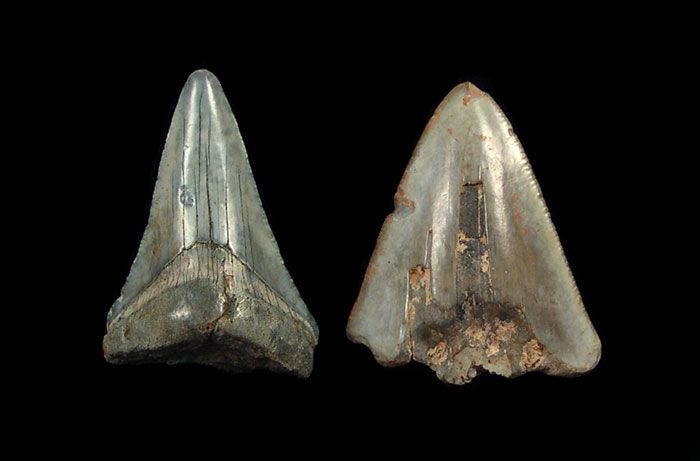
For fossil hunters and collectors, few finds inspire as much fascination as the Indonesian Megalodon tooth. These fossilized relics of a long-extinct marine predator offer not only historical significance but also visual beauty. At first glance, though, telling a real Indonesian Megalodon tooth from an imitation can be tricky. That’s where expertise, attention to detail, and trusted sources come into play. We understand the thrill of adding an extraordinary piece to a collection—especially one as geographically and visually distinct as an Indonesian Megalodon tooth.
Let’s explore what sets these fossils apart and how to confidently identify an authentic specimen.
Understand the Origin: Why Indonesia Matters
Fossils unearthed in Indonesia exhibit unique characteristics due to the region's geological makeup. The volcanic sediment layers where these fossils are often found have helped preserve their form, coloration, and detail, unlike specimens from other localities. These conditions contribute to dramatic hues—ranging from earthy browns to smoky grays, even metallic-looking sheens.
Authentic Indonesian Megalodon teeth also tend to have rich enamel with complex banding patterns, and their roots often exhibit mineralization that reflects the local sediment. Understanding this specific origin is the first step toward accurate identification.
Study the Enamel: Texture, Color, and Gloss
One of the easiest ways to spot a real Indonesian Megalodon tooth is to look closely at the enamel. Authentic specimens feature enamel that isn’t unnaturally glossy. Instead, you’ll see a natural luster that subtly shifts under light. It won’t appear coated or artificially smooth.
Color variations are another strong indicator. While teeth from other regions may have consistent shades, Megalodon teeth from Indonesia often exhibit vibrant transitions between different tones—from rust reds to olive greens and even deep charcoal. If a tooth appears too uniform or features exaggerated shine, it may have been altered or artificially enhanced.
Examine the Serrations: Integrity and Symmetry
The serrated edges on a genuine Indonesian Megalodon tooth are often partially preserved. These micro-serrations were once essential for cutting through prey. Even after millions of years, they can remain visibly intact. Look for fine, symmetrical notches along the edges—especially near the tip.
While it's not unusual for some wear to occur, a complete lack of serrations or oddly shaped ones may suggest restoration work or a replica. This feature is significant for collectors who value authenticity in structure and form.
Analyze the Root: Shape, Mineralization, and Repairs
The root of the tooth can be incredibly revealing. Authentic Indonesia Megalodon tooth fossils usually feature a dense, mineralized root that aligns with the natural wear patterns of fossilization in volcanic soils. These roots may appear porous or gritty, rather than smooth or overly symmetrical.
Be wary of roots that appear unusually white or seem separated from the crown. Some replicas use reassembled or modified parts. In contrast, genuine specimens exhibit a natural transition between the root and crown, with visible mineral deposition that harmonizes with the surrounding color palette.
Check for Signs of Restoration or Fabrication
Some Indonesian Megalodon teeth on the market may have undergone restoration to enhance their aesthetic appearance. While minor repairs aren’t uncommon in the fossil world, full reconstructions or heavy modifications reduce both scientific and collector value.
To identify restoration, look for unnatural color transitions, resin glazes, or small cracks that don’t follow the fossil’s natural direction. Uneven textures between the enamel and root can also signal tampering. When buying online or at fossil shows, request close-up images of these features—or better yet, choose sellers that disclose restoration upfront.
Size and Weight: Let the Fossil Speak for Itself
Genuine Megalodon teeth can vary widely in size, but Indonesian specimens are often between 4 and 6 inches long. Larger sizes exist but are far rarer. Authentic pieces also carry notable weight due to their mineral content. If a tooth feels unusually light for its size, that may be a red flag.
Measuring tools and scales are helpful when comparing with verified listings. Always compare proportions—not just length but also width and root-to-tip curvature.
Purchase from Trustworthy Sources
When it comes to fossil collecting, where you buy is just as important as what you buy. Reputable sellers will clearly state if a tooth is 100% natural or partially restored. Transparency matters.
A trusted fossil source will provide detailed descriptions, close-up images, and provenance information. These sellers often specialize in regional specimens and possess a deep understanding of the fine details that distinguish authentic fossils from imitations. For Indonesia Megalodon tooth specimens in particular, the origin story is as important as the fossil itself.
Ask Questions Before Buying
Whether you’re shopping online or attending a fossil show, asking the right questions builds confidence. Inquire about where the fossil was found, whether it's been repaired or altered, and how it compares to similar specimens. A knowledgeable seller will appreciate your curiosity and provide informative answers—not vague reassurances.
We recommend building relationships with dealers who share your passion for fossils. It leads to a better collecting experience and a stronger understanding of the pieces you acquire.
Why Indonesia Megalodon Teeth Stand Out Among Global Finds
Indonesian Megalodon tooth fossils are gaining popularity not only for their massive size and ancient origin, but also for their distinct appearance and geological context. Collectors seek them out for the character embedded in each piece—those natural lines, weathered roots, and eye-catching color transitions that hint at their journey through prehistoric oceans and volcanic earth.
We’ve seen how these unique attributes set Indonesian finds apart from fossils originating in the Americas or Europe. The bold preservation, earth-infused coloring, and volcanic sediment characteristics contribute to the exclusivity of these prized specimens.
Conclusion: Build Your Collection with Confidence
Identifying an authentic Indonesian Megalodon tooth requires more than just a glance. It’s about understanding the fossil’s journey—from ancient seabeds to your hands. By observing enamel quality, serration patterns, root integrity, and color nuances, collectors can make informed decisions.
As collectors ourselves, we value the stories fossils tell. That’s why taking time to study, ask questions, and trust your instincts makes every discovery more rewarding. For those passionate about adding an Indonesian Megalodon tooth to their collection, focus on expertise, reliability, and provenance—because every great collection begins with authenticity.
For fossil inquiries or authenticity details, contact us anytime—we’re here to guide your Indonesia Megalodon tooth collecting journey confidently.






