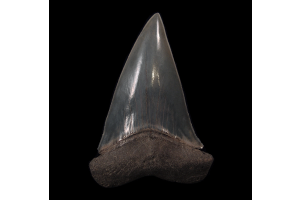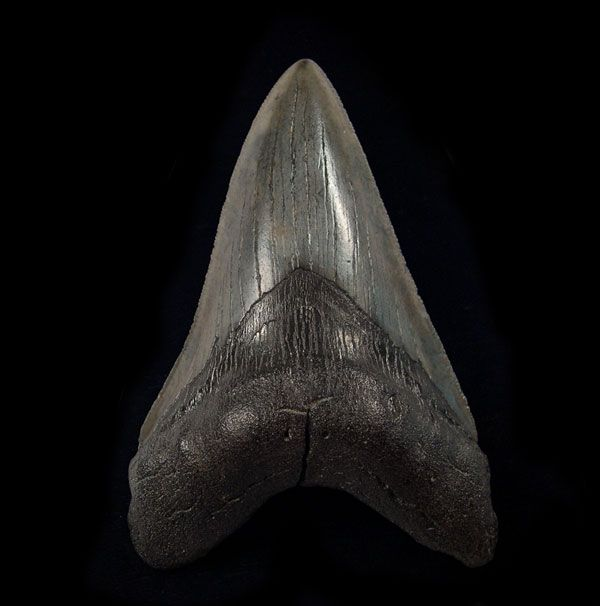
Megalodon teeth attract fossil hunters who recognize their rarity and historical value. These teeth once belonged to an apex predator that ruled prehistoric seas. Today, you can trace its legacy through Florida’s rivers and coastlines. Many enthusiasts begin their search by understanding where to find megalodon teeth in Florida. This question leads them into sediment-rich zones shaped by ancient geology. Those who succeed usually observe the terrain closely, identify recurring fossil layers, and return to known sites during the right season. A focused, patient approach increases the chances of turning a trip into a rewarding experience.
Let’s explore more detailed information:
Ancient waters once covered the land, leaving behind layers of fossils
Florida’s prehistoric history plays a central role in explaining why so many fossil teeth are discovered today. Millions of years ago, shallow seas covered this region. As marine life thrived and died, sediments gradually buried bones and teeth. Over time, shifting land and flowing rivers revealed parts of these ancient layers. Natural erosion continues to pull fossils closer to the surface. Those who study the flow of water, the makeup of local soils, and the structure of exposed banks usually discover the most productive sites. These locations often hold more than one fossil waiting to be uncovered.
Peace River offers consistent results for determined fossil hunters
Many collectors rely on the Peace River for its reputation for producing Megalodon teeth. This river flows through areas rich in phosphate and gravel beds, two key ingredients for fossil preservation. Hunters wade through shallow waters and use basic tools, such as screens and shovels, to separate fossils from sediment. Some spend hours in one bend of the river, examining each scoop of gravel for differences in shape, weight, and color. Peace River draws repeat visitors because it rewards those who put in effort. Regular changes in current and sediment movement create fresh opportunities every season.
Productive fossil zones leave clues across the surface and water
Experienced collectors know how to spot fossil-rich ground by reading visual and environmental cues. Gravel beds with darker coloration, dense shell fragments, or layered deposits often mark areas worth exploring. These features typically form near river curves, submerged bars, or drop-offs, where heavier items, such as teeth, tend to settle. Fossil materials resist water movement, so they often rest near structures that slow current flow. Those who move slowly, sift carefully, and observe minor differences usually find the most success. They don’t guess. They let the land show them where to dig.
The right tools and gear improve focus and results
Preparation enables collectors to work more efficiently in the field. Most bring simple tools that allow hands-on digging and effective sifting. A screen with a sturdy frame filters sediment, while a compact shovel breaks through denser gravel. Polarized glasses help spot submerged materials by cutting surface glare. Durable footwear provides grip in wet, slippery areas. Some carry small containers with padding to protect fragile fossils. A fossil guide, map, and logbook help track progress and identify finds. These essentials give collectors the confidence to focus on the search rather than struggle with discomfort or disorganization.
Collectors respect the land to preserve access and future finds
Those who collect fossils also carry a responsibility to protect the places they visit. Many rivers and fossil zones lie near private land or protected reserves. Collectors who seek permission and follow local regulations help maintain access for everyone. Some areas require fossil permits, and others place limits on digging depth or method. Collectors who value the hobby follow these guidelines: avoid disturbing wildlife, and pack out everything they bring in. They act as stewards of the land and understand that their actions affect how long these fossil zones remain available to explore.
Seasonal changes expose new layers and hidden material
Fossil exposure often depends on timing. Rainfall and drought cycles shape river depth, sediment flow, and visibility. During dry seasons, water levels drop, revealing gravel beds that have remained hidden for months. These exposed areas become prime collection zones. After intense storms, rivers shift sediment and pull new fossils to the surface. Beaches respond the same way. Wave action stirs up sand and sometimes reveals previously buried layers. Collectors who follow weather reports and time their visits accordingly usually find better access and more opportunities in a single trip.
Observation turns each trip into a more innovative and more efficient hunt
Those who keep field notes and track their trips build a strong foundation for future searches. A journal with locations, soil color, water level, and find details helps highlight patterns. Suppose a collector finds a Megalodon tooth near a specific river marker or erosion line. In that case, they often revisit the area after the next seasonal shift. These observations also reveal how sites change over time and how fossils migrate within the sediment. Building a habit of reflection and adjustment separates skilled collectors from casual hobbyists. Knowledge grows with each experience, adding real value to the effort.
Experienced collectors notice details that lead to stronger results
As collectors gain confidence, they begin to recognize subtle signs that indicate the presence of fossil zones. A shift in water color, a line of shell fragments, or a curve in the streambed can indicate the presence of heavier materials, such as teeth. Water naturally sorts and settles items by density, so experienced collectors know how to follow these sorting patterns. They rarely rush or cover too much ground at once. Instead, they study the flow, dig with intention, and give each area a fair effort. Their consistency helps them pull more value from each trip.
A steady routine builds success better than luck ever could
Collectors who know where to find megalodon teeth in Florida trust their process. They return to familiar locations, time their visits with care, and rely on knowledge rather than chance. They recognize that nature constantly shifts the landscape, so they give familiar sites a fresh look every season. The best finds often come from areas they already studied but now view with a new perspective. They follow a rhythm that suits the land and respect the patience it requires. Through this approach, they see more success and develop a deeper appreciation for the journey.
Every Megalodon tooth carries visible marks of its history
Each Megalodon tooth found in Florida tells part of a larger story. Its color, shape, and wear show where it rested and how long it stayed buried. Some teeth come out with fine serrations still intact. Others exhibit bite marks or heavy mineral stains resulting from prolonged contact with phosphate-rich soil. Long, narrow teeth likely came from jaw edges, while thick, broad teeth belonged to primary biting zones. These features give collectors insight into the animal’s size and behavior. Holding a tooth brings not just excitement but also a tangible sense of connection to Earth’s ancient timeline.
Cleaning and storing fossils protects their natural beauty and structure
Collectors clean fossils gently to preserve their original form and shape. Most use soft brushes and clean water to remove soil without damaging the enamel. They avoid harsh cleaners that might remove natural coloration or weaken the fossil’s structure. Once clean, they wrap or place the fossil in padded containers. Some build displays that highlight the fossils’ details, while others store them away for future study. No matter the method, collectors know how to treat each find with care. The way they store and handle their fossils reflects their respect for the process and the object itself.
Final Thoughts
Fossil collecting reaches beyond the object itself. The process teaches patience, observation, and a deeper appreciation for natural history. When collectors explore with focus and care, they uncover more than teeth. They gain an understanding of the forces that shaped the land and the life that once ruled it. Those who study the landscape and invest in the experience build more than a collection. They build insight. Collectors who learn where to find megalodon teeth in Florida continue to return, not only for what they might see next, but for the meaning each journey brings.
Footnote
Every fossil you find reflects time, knowledge, and respect. Search with intention, observe the land with care, and carry each discovery with the purpose it deserves.