For fossil hunters and collectors like us, there’s nothing quite like the thrill of holding history in your hands. Imagine wading through a shallow Florida river, sifting through gravel and shell, and suddenly catching a glimmer of enamel—dark, sharp, and unmistakably ancient. As you brush away the sediment, you realize it’s not just any fossil, but the serrated edge of a massive shark tooth—your heart races. You’ve just uncovered a relic from one of the most formidable predators ever to swim the oceans: the megalodon. This experience is more than just discovery—it’s a direct connection to the prehistoric past, and one of the most unforgettable moments for any fossil enthusiast.
We should address one of the most frequently asked questions from new collectors: Where can I discover megalodon teeth in Florida? The state is abundant in fossil-rich rivers and coastal regions, making it a highly desired location for both dedicated collectors and casual explorers. However, locating these teeth is not merely a matter of luck; it requires preparation, knowledge, and patience to transform an ordinary day of discovery into an exceptional one.
The thrill of the hunt
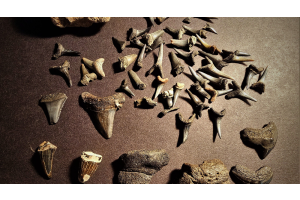
There’s a reason Florida draws fossil hunters from around the world. The sandy riverbeds and phosphate-rich soils provide the perfect environment for preserving megalodon teeth for millions of years. Each hunt is filled with suspense. As we dig through layers of gravel, the anticipation builds with every scoop. Most of the time, you’ll uncover smaller shark teeth, pieces of bone, or fragments of ancient shells. But occasionally, you reveal something astonishing: a tooth the size of your palm, jet-black with worn serrations, its enamel gleaming despite having spent millions of years buried in the earth.
When that happens, the sense of wonder is overwhelming. It’s not just about the fossil itself—it’s about the journey, the patience, and the thought that the megalodon, a shark that could reach 60 feet in length, once roamed the very waters where we now stand. Few moments rival the awe-inspiring realization.
Preparation matters more than luck
While the idea of stumbling upon a giant fossil is romantic, the truth is that preparation is key. Knowing where I can find megalodon teeth is only the beginning. We research river systems, learn about sediment layers, and study maps that indicate ancient fossil beds. Tools like sifting screens, shovels, and collection bags become essential companions. Even the timing of your search matters—water levels, clarity, and seasonal changes can significantly impact what you find.
For us, this preparation transforms a casual day outdoors into a purposeful fossil-hunting expedition—each tool we carry and each method we use increases our chances of making a truly remarkable discovery. And when the big one finally surfaces, we know it wasn’t just chance—it was the result of persistence, knowledge, and respect for the process.
Holding history in your hands
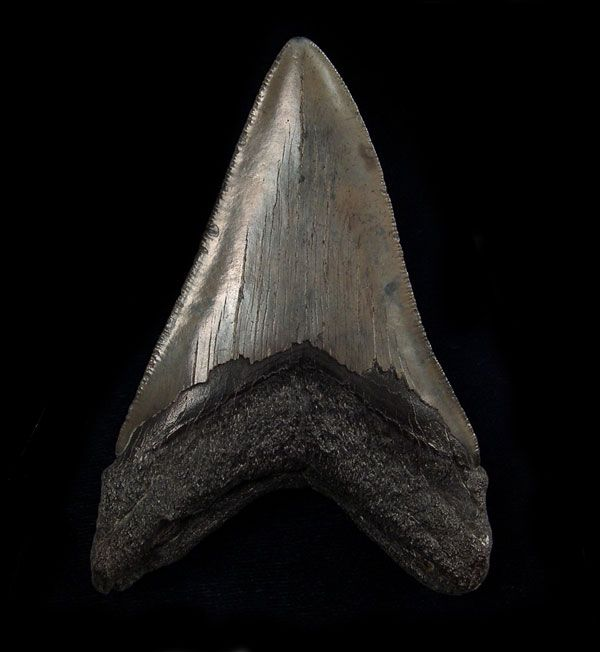
Finding a large, well-preserved tooth is unlike anything else. Imagine pulling a tooth more than five inches long from the sediment—a tooth with good enamel, an extra-large bourlette, fair serrations, and a complete root with only minor hydration cracks. No repairs, no restorations, just a natural relic of immense power and beauty. In that moment, we are reminded why so many collectors dedicate their time to this pursuit. These fossils aren’t just objects; they are stories preserved in stone.
When we hold a specimen like this, we’re not just looking at a fossilized tooth. We’re looking at a predator that ruled the seas with unmatched dominance. It sparks curiosity about what the oceans looked like millions of years ago and inspires us to continue searching for the next great find.
Why collectors seek more than just fossils
For many of us, megalodon teeth aren’t simply additions to a collection—they’re treasured heirlooms. A large gray-colored specimen with a spike-like lower anterior shape tells a story in itself: of battles fought, prey hunted, and the passage of millions of years beneath shifting sands. Each detail—the serrations, the bourlette, the enamel—adds to the narrative. Owning one of these fossils allows us to preserve a tangible piece of prehistoric life and pass it down for generations.
At Buried Treasure Fossils, we share that same passion. We understand that these fossils are more than geological specimens; they are extraordinary artifacts that demand authenticity, quality, and care. That’s why our finds, and those we share, come with guaranteed authenticity and natural preservation.
The shared experience of discovery
What makes fossil hunting even more memorable is the sense of community that it fosters. We often hunt alongside fellow enthusiasts, sharing tips, stories, and the exhilaration of each discovery. It’s not unusual for someone in the group to unearth a large tooth while others cheer them on. These shared moments create lifelong memories and bonds that go beyond the fossils themselves.
Even when we don’t uncover a large specimen, the process itself is rewarding. Being outdoors, exploring nature, and immersing ourselves in history make every expedition worthwhile. But it’s the rare, heart-stopping moment of spotting a megalodon tooth in the sifter that keeps us coming back, again and again.
Conclusion: more than just a fossil hunt
Discovering a huge megalodon tooth is more than just adding a fossil to our collection—it’s about experiencing the thrill of unearthing something extraordinary. Florida remains one of the best places to explore for these relics. For those asking where I can find megalodon teeth in Florida, the answer is simple: with preparation, patience, and passion, the hunt can lead to discoveries you’ll never forget.
Each fossil tells a story, and every find strengthens our connection to the prehistoric world. Holding a complete, natural megalodon tooth reminds us that history is not confined to books—it’s buried beneath our feet, waiting to be discovered. If you’re ready to start your journey into the depths of time, contact us today, and let’s uncover history together.