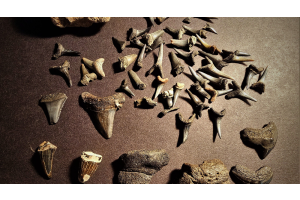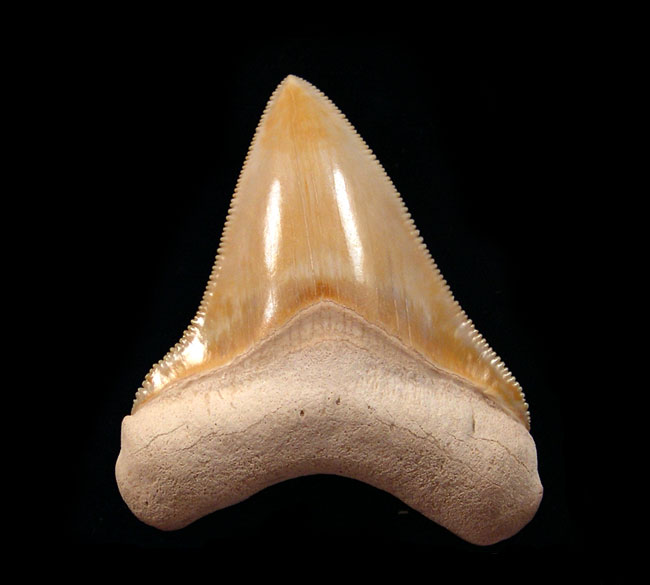
The thrill of fossil discovery has captivated generations of collectors, scientists, and enthusiasts. Few relics are as awe-inspiring as the massive teeth of the Megalodon, the prehistoric shark that once dominated the seas. In Florida, certain regions are rich in these extraordinary fossils, drawing adventurers from around the world to sift through limestone beds and river channels in the hope of uncovering a piece of ancient history. The sheer anticipation of holding a tooth that belonged to a predator reaching lengths of over 60 feet connects us directly to Earth’s most dramatic past. And yes, our fascination grows even more profound when we discuss the discovery of Megalodon teeth in Florida, which remains a rewarding pursuit for those with curiosity and a sense of patience.
The mystique of Bone Valley
One of the most renowned fossil-hunting regions is the Bone Valley formation, located in central Florida. This phosphate-rich area is celebrated for its abundance of sea fossils dating back millions of years, including the prized Megalodon teeth. What sets Bone Valley apart from other fossil beds is the extraordinary preservation of specimens found here. The region’s chemical composition created conditions that fossilized shark teeth with remarkable detail, often leaving them in shades of blue, orange, or soft gray, unlike the darker specimens collected elsewhere.
When fossil hunters venture into Bone Valley, they are stepping onto land that has preserved the legacy of marine giants. Each discovery has the potential to reveal more about Megalodon’s role in prehistoric oceans, as well as its relationship to other aquatic life that thrived during the Miocene and Pliocene epochs.
Unearthing treasures hidden in limestone
The hunt for these fossils is far from generic digging. Collectors and paleontologists alike carefully search Florida’s limestone beds and riverbanks, knowing that patience is often rewarded with extraordinary finds. It is fitting to emphasize again the significance of Megalodon teeth in Florida—treasures that remain buried yet accessible to those who respect the land and follow responsible fossil-collecting practices.
The Peace River is another hotspot, where shallow waters and shifting sediments often reveal fossils. Kayaking and screening through river gravel is a common approach that combines adventure with science. Each tooth pulled from the riverbed is more than a relic—it is a chapter of Earth’s long narrative of adaptation and survival.
Why Bone Valley specimens are so special
We cannot overlook the unique appeal of Bone Valley Megalodon teeth. Their color variations are among the most striking in the fossil world. Unlike other locations where mineral absorption creates uniform, dark specimens, Bone Valley teeth gleam with vibrancy, making them highly desirable for collectors and natural history enthusiasts.
Additionally, many of these teeth retain crisp serrations along their edges, testifying to the formidable hunting ability of the Megalodon. Holding such a specimen is not only about aesthetics; it is about appreciating the predator’s place at the top of the food chain millions of years ago. This dual nature—scientific insight and natural artistry—is why these fossils remain in such high demand.
Science behind the giants
For paleontologists, these fossils are not mere collectors’ items. They serve as windows into the biology of one of the ocean’s most dominant creatures. The size, structure, and wear of the teeth provide data that help estimate the size of the shark and its dietary habits. Each tooth contributes to a greater understanding of ancient ecosystems and the balance of marine life in a time before modern whales dominated the seas entirely.
The scientific relevance of Bone Valley fossils makes them integral to both research and education. They are used in classrooms and museums to illustrate concepts of evolution, extinction, and Earth’s geologic history in ways that captivate the imagination.
Collecting responsibly
We encourage all fossil enthusiasts to approach collecting with a sense of responsibility and respect for the natural world. Certain areas in Florida require permits, and obtaining permission from the landowner is always a must. Over-collecting or trespassing not only harms the environment but also diminishes opportunities for future discoveries. As fossil hunters, we carry the responsibility of preserving history even as we seek to uncover it.
At Buried Treasure Fossils, we take this responsibility seriously, offering collectors the opportunity to acquire authentic specimens that have been ethically sourced and meticulously preserved. Our mission is not just about providing fossils but about fostering a deeper connection between people and the prehistoric past.
A bridge between the past and the present
The allure of Megalodon fossils goes beyond their size or beauty. They remind us of an age when predators of unimaginable scale roamed the oceans. Standing in Bone Valley or by the Peace River, it’s impossible not to feel that connection across time. Every fossil unearthed is not just a relic; it is a reminder of resilience, adaptation, and the vastness of life’s history.
For collectors, owning a Megalodon tooth is akin to having a piece of ancient mystery in one’s hand. For scientists, it is an opportunity to decode the ecological puzzles of the past. For educators, these fossils ignite curiosity in students, who will carry the torch of encounter into the future.
Conclusion
Florida remains a rare and remarkable gateway to the prehistoric seas. The Bone Valley region, with its limestone beds and phosphate layers, continues to yield some of the world’s most stunning fossils. For us, the joy lies in sharing this passion, knowing that each discovery deepens our connection to an ancient world. Holding one of these fossils is more than a thrill—it is a privilege that links us with Earth’s ever-changing history. The enduring discovery of Megalodon teeth in Florida ensures that the legacy of the ocean’s mightiest predator will never fade.
If you’re ready to embark on your journey into this fascinating world of fossil discovery or explore rare specimens, contact us today—your adventure into prehistory begins here.