

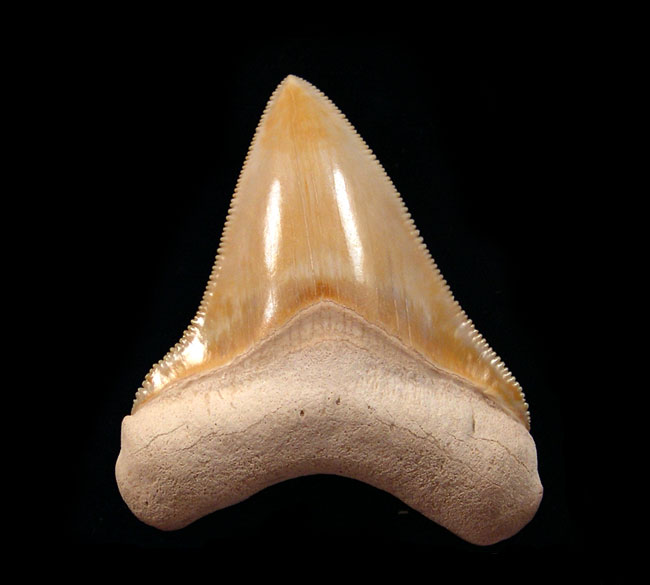
The thrill of uncovering a fossil is unlike any other experience. To hold in your hands a piece of natural history, one that dates back millions of years, is to bridge the present with the ancient past. Collectors around the world search tirelessly for fossils that not only captivate the imagination but also preserve an unmatched record of Earth’s prehistoric wonders. Among these prized relics, few are as iconic—or as visually striking—as the fossilized teeth of the Megalodon, the massive predator that once ruled the oceans. And within this remarkable category, one discovery continues to stand out: the Megalodon tooth from Bone Valley.
For those passionate about authenticity and rarity, knowing how to identify and confirm an actual specimen is essential. After all, this is not just another fossil—this is a legacy from the Miocene era. This fossilized treasure tells the story of a creature that dominated the seas more than 10 million years ago.
Why Bone Valley fossils are unlike any other
The Bone Valley region of central Florida is celebrated among collectors for producing some of the most vividly colored and exceptionally well-preserved Megalodon teeth. Unlike many other fossil sites, the mineral composition of the phosphate-rich sediments in Bone Valley lends itself to unique hues—black, white, blue, and even golden tones that are rarely found elsewhere. These natural colors are not artificially enhanced; they are the direct result of geological processes that unfolded over millions of years.
It’s this natural artistry that makes Bone Valley fossils so desirable. A collector can easily spot the difference between a standard fossilized Megalodon tooth and one originating from this region simply by the richness of its appearance. However, due to their popularity, genuine specimens are becoming increasingly rare and are highly susceptible to misrepresentation in the marketplace. This makes authentication a vital step for anyone looking to invest in or display one.
How to recognize an actual Bone Valley Megalodon tooth
Authenticity begins with observation. While replicas and artificially altered fossils circulate in the market, genuine Bone Valley teeth have distinct markers that set them apart:
● Color variation: True fossils from this region often display black-and-white or blue-and-white combinations, sometimes with golden undertones. These shades are unique to the Bone Valley phosphate beds.
● Surface preservation: A real Megalodon tooth from Bone Valley will exhibit natural wear from its age, but maintain enamel and serrations far better than fossils found in other locations.
● Root density: Fossils from this area tend to have strong, well-mineralized roots, reflecting the phosphate-rich soil where they were buried.
● Geological provenance: When possible, verify that the specimen’s origin has been adequately documented. Teeth without a traceable source are more likely to be replicas or altered pieces.
The challenges of modern collecting
One reason Bone Valley fossils are so prized today is their increasing rarity. Decades ago, Polk County mines were known for yielding an impressive number of large, colorful Megalodon teeth. Collectors from across the country sought them out for their beauty and authenticity. However, in recent years, access to these mining areas has declined, and the production of high-quality fossils has decreased significantly.
This scarcity has added to their value, making authentication even more important. Many buyers who come across a tooth in today’s market are understandably cautious. That’s why working with trusted providers and experienced fossil experts is essential. When we curate specimens for collectors at Buried Treasure Fossils, we ensure that each one undergoes careful examination before it is added to our catalog.
The art and science of authentication
Verifying the authenticity of a fossil isn’t simply about comparing colors or textures; it requires a trained eye and, at times, scientific testing. Professional fossil dealers and paleontologists may use magnification to inspect serrations, check for evidence of artificial polishing, and even conduct chemical analysis of the tooth’s composition.
A crucial part of the authentication process also involves understanding the history of the fossil trade. Certain regions are known for distinct preservation qualities, and when a specimen’s features don’t align with its claimed origin, that should raise questions. Collectors are advised to seek fossils with provenance records, as these provide not only proof of authenticity but also context about the fossil’s journey from discovery to display.
Building a meaningful collection
Every fossil tells a story, but a Megalodon tooth adds a unique dimension to a collection. These fossils embody not only the history of the Megalodon but also the specific geological conditions that enabled it to survive in such an extraordinary form. For collectors, acquiring one is both a scientific pursuit and an artistic endeavor—because each tooth is as much a natural work of art as it is a piece of paleontological evidence.
Beyond their aesthetic appeal, these fossils are incredible tools for education. Families and educators often use them to spark interest in STEM, introducing children to the wonders of natural history in a way that textbooks alone cannot achieve. Imagine the excitement of gifting a genuine Megalodon tooth, allowing someone to hold a relic from the depths of time and connect directly with Earth’s prehistoric oceans.
Why collectors trust us
We take pride in offering only authentic, carefully vetted specimens. Our commitment to quality ensures that when you acquire a fossil from us, you’re not just purchasing an object—you’re investing in history, science, and art. Each fossil we provide represents a promise: authenticity guaranteed.
This dedication is particularly crucial in the context of Bone Valley fossils, where collectors must be vigilant about identifying replicas or altered specimens. We understand the significance of these acquisitions, and we share in the excitement every time one finds a new home in a collection.
Conclusion: Your path to an authentic fossil
Having an authentic Megalodon tooth from Bone Valley goes beyond simply acquiring a fossil for display; it’s a way to safeguard a piece of our planet’s prehistoric past. The striking colors and exceptional condition of these fossils are unparalleled in their capacity to showcase both elegance and strength. Due to contemporary mining restrictions, these specimens have gained even greater value, which makes the process of authentication increasingly important.
If you are ready to start or expand your collection, choose with care and trust in experts who prioritize authenticity. We are here to help you discover fossils that are not only breathtaking but also guaranteed to be genuine. To start your journey into the world of extraordinary fossils, contact us today.






