

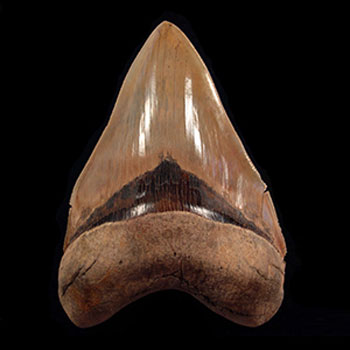
When it comes to fossil hunting, North Carolina is one of the most fascinating places on the East Coast. We often work with collectors and enthusiasts who are eager to understand which areas can yield the best megalodon teeth from North Carolina, and our services are dedicated to helping them uncover these ancient treasures. By guiding enthusiasts through the right formations, we allow them to focus their time and energy where success is most likely. In this state, two formations stand out above the rest: the Pungo River Formation from the Miocene and the Yorktown Formation from the Pliocene.
Geological Background: Why Formations Matter
Fossil shark teeth, including megalodon, are preserved in marine sedimentary layers that were deposited when ancient seas once covered North Carolina. Over millions of years, these sediments hardened and later became exposed through erosion, river cutting, and coastal processes. The age of the formation, the environment in which the sediments were deposited, and the changes that occurred after burial all influence the condition of the fossils. These factors determine whether a tooth remains sharp, retains its serrations, or develops striking coloration.
Rivers and historic mining activity in North Carolina have exposed several sedimentary layers, but the Pungo River and Yorktown formations consistently attract attention. Collectors return to these formations because they reliably produce outstanding examples of fossilized shark teeth, including the highly sought-after megalodon.
The Pungo River Formation
The Pungo River Formation dates back to the Miocene epoch and contains sediments composed of sand, silt, clay, limestone, and phosphorite. In the Aurora region of North Carolina, the Pungo River layer lies between 120 and 170 feet below the surface. These sediments contain phosphate ore that is particularly rich in fossils, including shark teeth, marine vertebrates, and shells. Within the mine, the Pungo River sequence includes beds of fossil-rich silt, limestone, and layers of phosphate ore.
This formation is well known for producing some of the most spectacular megalodon teeth. Specimens recovered from Pungo River sediments often show strong enamel, sharp serrations, and complete roots. Many teeth also exhibit unique coloration, including the rare copper-red variety that appears in river deposits. Because the Pungo River is older than the Yorktown Formation, its fossils often display more mineral alteration. While this can create cracks, it also produces dramatic visual characteristics such as deep coloration and bold contrast. Several of the most celebrated specimens, often referred to as “Lee Creek Megs,” are associated with Pungo River deposits.
It has been restricted since 2008. Some fossils can still be found in waste piles that remain from mining operations, but significant discoveries are far less common today. Rivers that cut through the Pungo River sediments occasionally reveal megalodon teeth, though the opportunities are more limited compared to the Yorktown exposures.
The Yorktown Formation
The Yorktown Formation is younger than the Pungo River, dating to the Pliocene epoch. It extends across several states on the Atlantic Coastal Plain, including Maryland, Virginia, North Carolina, and South Carolina. Composed of fossiliferous sands and clays with abundant shell material, this formation frequently overlies the Pungo River sediments in parts of North Carolina.
Collectors often regard the Yorktown Formation as especially valuable because it produces a higher proportion of megalodon teeth compared to other formations. Teeth from this layer tend to retain cleaner enamel, sharper serrations, and fewer signs of mineral alteration. Some specimens have been recorded at more than six inches in slant height, with both enamel and roots in impressive condition. These teeth are also more likely to be found in coastal sands and riverbeds, where erosion has reworked the sediments and made them accessible to divers and shoreline collectors.
Geological processes have caused mixing between formations, and some teeth found in Yorktown sediments were initially deposited in older layers like the Pungo River. This reworking complicates identification but also means that collectors can encounter a diverse range of fossils in Yorktown exposures. For those seeking a remarkable megalodon tooth from North Carolina, the Yorktown Formation often provides excellent opportunities.
Comparing the Pungo River and the Yorktown Formations
The Pungo River and Yorktown formations differ in age, preservation, and accessibility, but together they represent the most productive layers for fossil shark teeth in North Carolina. The Pungo River is older and produces teeth with striking mineral alterations, bold coloration, and dramatic contrast. In contrast, the Yorktown Formation, being younger, tends to yield teeth that are sharper, cleaner, and often larger.
Accessibility also separates the two formations. While the Pungo River teeth were historically collected through mining, opportunities are now limited due to restrictions at the Aurora site. The Yorktown Formation, on the other hand, is more commonly exposed in riverbeds and coastal areas, making it a more frequent source for collectors today. In regions where the two formations meet, transitional zones often concentrate fossils and create conditions that have led to the discovery of some of the finest specimens.
Other Formations to Consider
Although the Pungo River and Yorktown formations are the most important for megalodon teeth, other layers in North Carolina also contain fossil shark teeth. The Castle Hayne Formation from the Eocene and the Peedee Formation from the Cretaceous both preserve shark remains, though they predate the existence of the megalodon. In some places, sediments from the Pungo River and Yorktown are mixed together, making it difficult to determine the exact origin of a fossil.
Natural forces such as storms and river erosion play an essential role in revealing fossils. After strong weather events, sediments can be stripped away to uncover new specimens, giving collectors fresh opportunities to search for megalodon teeth in areas where these formations are exposed.
Conclusion
The Pungo River and Yorktown formations stand as the leading geological layers for megalodon fossils in North Carolina. The Pungo River yields teeth with dramatic coloration and mineral transformation, while the Yorktown provides larger, sharper, and often better-preserved examples. In areas where these two formations intersect, collectors sometimes uncover extraordinary fossils that reveal the prehistoric story of North Carolina’s ancient seas. By understanding these formations and the ways natural forces continue to expose them, fossil hunters increase their chances of finding an exceptional megalodon tooth from North Carolina and holding a tangible piece of the ocean’s ancient past.






