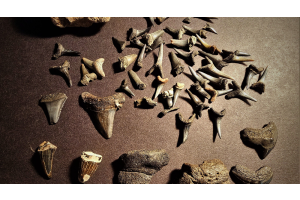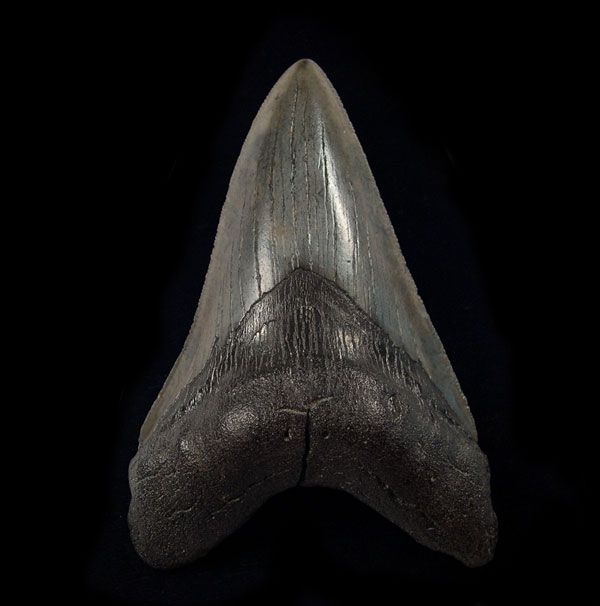
At our fossil gallery, we carefully select Megalodon teeth that can truly be considered “prehistoric art.” Every piece we bring forward is chosen with care so that collectors can feel the excitement of holding a relic from Earth’s ancient oceans. These fossils allow us to connect with a creature that once dominated the seas millions of years ago, and through our services, collectors are able to find pieces that carry both beauty and history.
Collecting is not simply about ownership—it is about preserving a story, appreciating a fossil’s artistry, and recognizing its place within natural history. For enthusiasts often asking where I can find megalodon teeth in Florida, it is the value factors that help determine which specimens are most prized once discovered.
Key Factors Influencing Collector Value
1. Size
Size can play the most visible role in determining a tooth’s worth. While smaller teeth under 4 inches may be accessible to beginners, specimens that measure 6 inches or more are scarce and can command much higher prices. It should be understood that these teeth are exceptional—on sites such as Florida’s Venice coast, only about 1% of all finds can reach that benchmark size. This rarity is why large specimens are often treated as centerpiece fossils within collections, admired not only for their mass but also for the sense of awe they inspire when compared to smaller examples.
2. Condition and Preservation
Condition is another factor that can significantly influence value. A tooth that has intact serrations, enamel, complete roots, and minimal damage will always be more desirable. Collectors may also look closely to see if a bourrelet ridge is visible, which helps verify authenticity and preservation. On the other hand, a tooth that shows excessive polishing or repairs could lose appeal. Our focus has always been on near–museum quality specimens that retain natural details and structural integrity. Even subtle differences in how a fossil has weathered over time can make one tooth significantly more attractive to a collector than another of similar size.
3. Color and Uniqueness
Color can also determine whether a fossil attracts higher bids. Many teeth display typical hues such as black or gray, but when unusual coloration appears, collectors tend to view them as special treasures. Distinctive shades such as copper-red, golden-tan, or even artistically blended tones are often regarded as rare. Black Megalodon teeth, for example, are sometimes called the “crown jewels” of fossil collections because of their striking look and scarcity. Peru specimens are equally admired for their artistic beauty, making them especially sought after among serious collectors. When color and preservation align perfectly, the result can be a fossil that feels almost sculpted by nature itself.
The location where a tooth is found can strongly affect its value. Some fossil beds have produced teeth that are not only large but also rare in color or preservation. A notable example is the Meherrin River in North Carolina, where copper-red teeth have been discovered. These specimens are so scarce that one 6-inch tooth from this site was highlighted as a “Fossil of the Month,” described as rarer than even those from well-known sites like Lee Creek or Peru. Collectors who pursue fossils from such localities often place a premium on their provenance. Rarity is not simply about how old the fossil is but about how rare a specimen of its quality is likely to appear on the market. For collectors exploring where they can find megalodon teeth in Florida, location remains one of the most fascinating elements in the hunt for value.
5. Documentation, Authenticity, and Restoration
Collectors usually seek reassurance that the fossils they purchase are genuine. Documentation that clearly states the size, condition, location, and whether restoration has been performed will always help establish trust. Teeth that are left unrestored and are presented in their natural state can carry more value compared to those that have undergone significant repairs. In this sense, authenticity and clarity often guide the final price a specimen can achieve. Buyers and sellers alike benefit from transparency, as it ensures a fair exchange and preserves the fossil’s reputation within the collecting community.
Why Some Specimens Fetch Premium Prices
Specific attributes naturally place some Megalodon teeth in a league of their own. When size, preservation, and coloration all combine, the result can be a fossil that is admired as both a scientific relic and an artistic treasure.
● Black Megalodon teeth are widely recognized as dramatic collector pieces and often referred to as “crown jewels.”
● Peru specimens are considered rare and are admired for their beautiful colors and artistic presentation.
● Copper-red teeth from North Carolina are exceptionally uncommon and are often highlighted for their uniqueness in fossil catalogs.
These qualities explain why such specimens often reach premium pricing in the fossil marketplace. Collectors may spend years searching for one example that meets their standards, which only increases demand when a rare fossil does appear.
How to Assess Value When Buying or Selling
1. Verify Size and Condition
When assessing a tooth, size and condition should be considered first. Larger teeth—especially those over 6 inches—are rare and therefore valuable. Preservation of serrations, enamel, and roots will further strengthen a fossil’s desirability.
2. Examine Color and Origin
Collectors may also evaluate the color and source of a specimen. Teeth from localities such as Peru or the Meherrin River are especially prized, while distinctive shades like copper-red or golden-tan enhance desirability.
3. Confirm Rarity and Authenticity
Documentation should always be checked. A tooth with clear records of origin and condition, and one that remains unrestored, will carry more confidence in the market.
4. Understand the Market Range
Price ranges can vary widely. Smaller or damaged teeth may be sold for under $100, while mid-tier fossils can range between $300 and $1,000. Elite specimens that are large, pristine, and rare in color or provenance can reach into the thousands—or even tens of thousands. Collectors who understand these ranges are better positioned to make fair offers or recognize when a fossil has been priced attractively.
5. Care for the Fossil
After a purchase, preservation will be key to maintaining value. Fossils should be kept away from direct sunlight, excess moisture, or sudden temperature changes. Display cases and gentle handling can help protect the enamel and structure, ensuring long-lasting quality. Caring for a fossil is not only about maintaining its worth—it is also about respecting the ancient story it represents.
Final Thoughts
The value of a Megalodon tooth is determined by a blend of size, condition, coloration, rarity, and authenticity. Larger specimens in exceptional preservation, paired with rare hues or origins, often become prized pieces within collections. Understanding these factors will make it easier to judge value, whether buying or selling.
As one fossil enthusiast once remarked, “Holding a Megalodon tooth is like shaking hands with prehistory.” This line captures why these teeth continue to inspire fascination: every specimen carries a story from the depths of time, allowing collectors to experience a lasting legacy from the ocean’s most legendary predator. For those wondering where I can find megalodon teeth in Florida, it is essential to remember that the greatest treasures are valued not only for where they are discovered but also for the extraordinary qualities they hold.