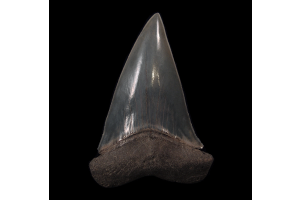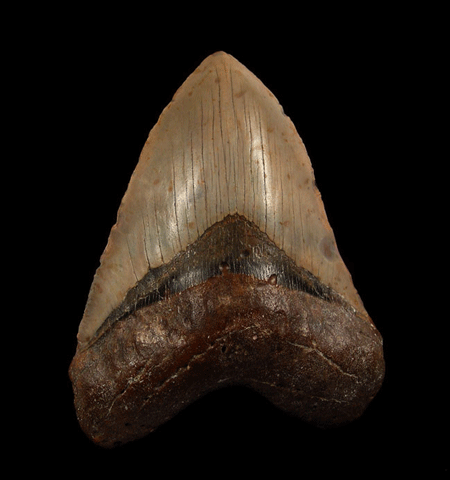
The ocean contains layers of history, and we are able to study them through fossils that remain preserved within ancient sediments. Fossils help us share the stories of creatures that lived long ago, and our work allows us to uncover some of the most remarkable examples. Among these discoveries, megalodon tooth ledges stand as extraordinary formations that can reveal important details about the prehistoric seas where giant sharks once thrived.
Understanding what tooth ledges are, how they form, and how they differ from regular fossil beds can provide a clearer picture of the environments and ecosystems of the past.
Defining Tooth Ledges
When most people picture fossils, they think of fossil beds, which are layers of sediment where bones, shells, and other remains lie together. A tooth ledge is different because it is a specific type of sedimentary formation found in the ocean floor. These ledges contain a concentrated number of Megalodon teeth, often mixed with other fossils. The teeth are not scattered loosely but instead are held firmly within the compact layers of sediment. Over millions of years, these ledges act as natural repositories that hold fossil material in place and preserve it in remarkable condition.
How Tooth Ledges Form
The creation of a tooth ledge is a slow and layered process that depends on both biological and geological activity. Sediments such as sand, silt, and mud gradually settle on the ocean floor, forming stable layers over long periods of time. As Megalodons lived, their teeth would fall into these sediments when they shed them naturally or when the animals died. Other marine creatures also left behind bones and shells, which added to the developing ledge. Ocean currents then played their part, moving sediments and debris, and sometimes clustering the fossils more closely together. Over time, the teeth and other remains became buried and secured within the sedimentary layers, creating a structure that endured across geological ages.
Features That Distinguish Tooth Ledges
Tooth ledges are not the same as regular fossil beds, and several features make them unique. The most obvious difference lies in their content. While fossil beds usually contain a wide mix of different species, tooth ledges hold an unusually high concentration of Megalodon teeth. These teeth are preserved in place within the ledge, providing a dense and reliable record. The way they form is also different. Fossil beds may often develop from sudden events such as mass deaths or from fossils being carried and deposited by water, while tooth ledges are the result of slow, steady accumulation and preservation.
Another difference is the kind of information they can provide. Because of the number of teeth preserved, scientists are able to study Megalodon populations in more detail. They can analyze how teeth grew, how they were replaced, and how many sharks may have lived in a particular region. Fossils of prey species found in the same ledges add another layer of understanding, helping researchers see what Megalodons may have eaten and how they interacted with other marine life. In addition, the sediment layers themselves preserve signals of ancient ocean conditions, including currents and climate, giving researchers important data about the ecosystems in which megalodon tooth ledges were formed.
Why Tooth Ledges Are Important
Tooth ledges matter because they allow us to gain specific insights that regular fossil beds cannot always provide. Their concentration of Megalodon teeth makes them valuable for studying the life of one of the largest predators to ever swim the oceans. Scientists can estimate the size of Megalodon populations, track changes in tooth structure over time, and better understand how these sharks lived and hunted. Wear patterns on the teeth, along with the remains of prey species preserved within the same sediments, offer direct evidence of feeding behaviors. In addition, the sediments record information about oceanic conditions, allowing researchers to piece together details about water temperature, currents, and ecological changes that occurred during the Miocene and Pliocene epochs.
Challenges of Studying Tooth Ledges
Despite their importance, tooth ledges also present challenges for research. Many are located in deep ocean waters that are not easily accessible. Studying them often requires advanced technology such as submersibles or remotely operated vehicles, which makes exploration costly and complex. There is also the issue of conservation.
Tooth ledges are valuable scientific resources, yet they are vulnerable to disturbance and removal of fossils without proper methods. When fossils are taken without careful documentation, much of the scientific information about the context is lost forever. Protecting these formations is therefore essential to ensure that their records remain intact for future study.
Comparing Scientific Value with Regular Fossil Beds
Both tooth ledges and fossil beds provide meaningful insights into the past, but their contributions are different. Fossil beds are important for showing the diversity of ancient ecosystems and recording large-scale patterns of life and evolution. Tooth ledges, however, offer a focused and concentrated record of Megalodons.
They provide large sample sizes of one species, allowing researchers to conduct detailed studies that would not be possible with scattered or isolated finds. At the same time, the presence of other marine fossils within the same ledge allows scientists to reconstruct food webs and better understand how Megalodons fit into their environments. This makes tooth ledges a particularly valuable resource for studying both the species itself and the ecosystems in which it lived.
Summary
Megalodon tooth ledges are specialized sedimentary formations that formed through the gradual buildup of sediments and the deposition of shark teeth and other marine remains. Unlike regular fossil beds, they contain unusually high concentrations of Megalodon teeth, firmly anchored in layered sediments. These ledges provide important evidence about shark populations, behaviors, and diets, while also preserving information about ancient ocean conditions.
Although they are often difficult to access and vulnerable to disturbance, megalodon tooth ledges remain critical for understanding one of the most iconic predators in history. Their unique structure and concentration of fossils allow researchers to study Megalodons in a way that fossil beds alone cannot achieve. In comparing these formations with regular fossil beds, it becomes clear that tooth ledges represent a focused and detailed record of prehistoric oceans, offering a deeper look into the world that these giant sharks once ruled.