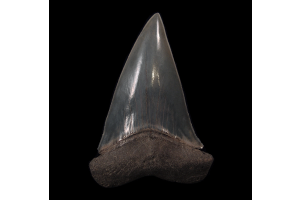
Carcharodontosaurus teeth have long fascinated fossil collectors and paleontology enthusiasts due to their remarkable size and distinctive features. As one of the largest predatory dinosaurs, the teeth of Carcharodontosaurus provide critical insights into the animal’s biology and ecology. For those interested in acquiring authentic specimens, Carcharodontosaurus teeth for sale offer a unique opportunity to own a tangible piece of prehistoric history. This article provides an in-depth examination of the size, color, and preservation characteristics of these impressive fossils.
Let’s explore the details that make these teeth so significant for collectors and researchers alike.
Size and Shape: Indicators of Carcharodontosaurus’ Predatory Power
Carcharodontosaurus teeth stand out for their considerable size compared to those of many other theropod dinosaurs. These teeth can reach lengths of up to 8 inches, showcasing the dinosaur’s formidable bite capability. The shape of the teeth is serrated and blade-like, designed for slicing through flesh rather than crushing bone. This serration pattern is a key identifier for fossil experts when verifying authentic Carcharodontosaurus specimens.
The teeth exhibit a robust, curved structure, narrowing towards a sharp point. The curvature allows the teeth to function effectively in gripping and cutting prey. Unlike the conical teeth of some carnivores, Carcharodontosaurus teeth resemble oversized machetes, reflecting their role as the primary weapons of this apex predator. Understanding the dimensions and morphology of these teeth aids collectors in distinguishing genuine fossils from replicas or misidentified specimens.
Color Variations: What Do They Reveal About Fossilization?
The color of Carcharodontosaurus teeth can vary widely depending on the geological conditions and mineral content of the sediment in which they were buried. Typically, these teeth exhibit hues ranging from dark brown and black to reddish or even lighter tans. These variations are the result of mineral replacement during fossilization, where the original tooth material is gradually substituted with minerals like iron, manganese, or silica.
Color alone does not determine the quality or authenticity of a fossil, but can provide clues about its provenance. For example, darker teeth often indicate a higher degree of mineralization, which can suggest a longer period of fossilization. Conversely, lighter-colored teeth may have been buried in different sediment types or conditions. Recognizing these subtle differences can help collectors and researchers assess the fossil’s history and the environment it came from.
Preservation Quality: Factors Affecting Fossil Integrity
The preservation of Carcharodontosaurus teeth varies significantly from specimen to specimen. Some teeth maintain their original serrations and surface texture, while others may exhibit wear, fractures, or mineral deposits. Factors influencing preservation include the burial environment, time elapsed since fossilization, and post-excavation handling.
Excellent preservation often includes intact serrations and minimal surface erosion, which are highly valued by collectors. Fossils with well-preserved enamel and sharp edges provide more scientific information and display better aesthetic appeal. However, even teeth with some damage can be important for study, as they might reveal feeding behaviors or interactions with other species through wear patterns.
Collectors should consider the preservation state carefully when evaluating Carcharodontosaurus teeth for sale. Teeth that have undergone cleaning and stabilization processes can retain structural integrity while showcasing their natural features. Documentation about the fossil’s discovery site and preparation methods adds further trustworthiness to any purchase.
Geological Context: Understanding Where Carcharodontosaurus Teeth Are Found
Carcharodontosaurus fossils, including teeth, are predominantly discovered in North Africa, specifically within the Cretaceous strata of countries like Morocco and Egypt. These regions offer sedimentary deposits from environments that existed approximately 100 million years ago. The sediment type, whether sandstone, limestone, or mudstone, plays a critical role in the fossilization process.
Knowing the geological context helps collectors and paleontologists verify the authenticity and age of Carcharodontosaurus teeth. Teeth sourced from well-documented sites tend to have higher scientific value and are preferred in collections. The sediment layers also influence the preservation quality and coloration of the fossils, linking back to the mineralization process discussed earlier.
Scientific and Collector Significance of Carcharodontosaurus Teeth
Carcharodontosaurus teeth are more than just impressive fossils; they serve as essential data points in understanding the predator-prey dynamics of the mid-Cretaceous period. Their size and structure provide evidence of the dinosaur’s feeding mechanisms and ecological niche. For collectors, these teeth represent a direct connection to one of the largest carnivorous dinosaurs, enhancing the educational value of their collections.
The rarity and size of authentic Carcharodontosaurus teeth mean they are sought after in fossil markets. Their presence in a collection can elevate its prestige and offer educational opportunities through display and study. When acquiring these fossils, emphasis should be placed on authenticity, provenance, and preservation quality to ensure the specimens remain valuable over time.
Carcharodontosaurus Teeth for Sale: What to Consider
For those looking to purchase Carcharodontosaurus teeth, understanding the factors that influence their value and quality is essential. Size, color, preservation, and documented origin are primary considerations. Larger teeth with intact serrations and minimal damage tend to command higher prices. Teeth exhibiting natural coloration without artificial enhancement also hold greater collector appeal.
Reputable dealers provide thorough documentation and often include detailed photographs highlighting the teeth’s features. This transparency is crucial for buyer confidence. Additionally, the client offering these fossils ensures that the specimens meet scientific and collector standards, further adding to their credibility.
Conclusion: Insights Into Carcharodontosaurus Teeth and Collecting
Carcharodontosaurus teeth offer a window into the biology of one of the largest predatory dinosaurs. Their considerable size, distinctive serrations, varied coloration, and preservation quality make them notable both scientifically and as collectibles. When considering Carcharodontosaurus teeth for sale, it is important to prioritize authenticity, provenance, and condition to maintain their educational and collector value.
Having explored the various aspects of these fossils, the understanding of what to expect when acquiring such specimens becomes clearer. Collectors benefit from examining these characteristics closely, ensuring they make informed decisions. Approaching the process with this knowledge enhances the experience of owning a genuine piece of prehistoric history. We encourage further exploration of available specimens through trusted sources, where expertise and transparency support collectors in their pursuit.
Explore authentic Carcharodontosaurus teeth for sale today and add a remarkable piece of prehistoric history to your collection.