

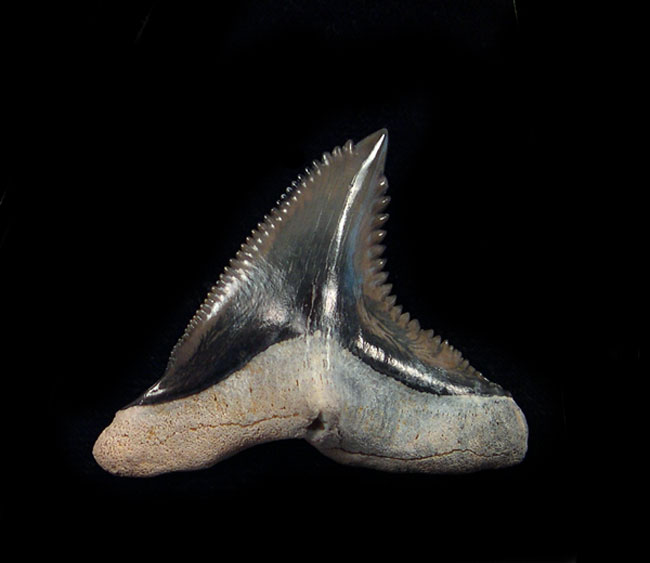
Fossil shark teeth have long fascinated collectors. These ancient relics tell stories of prehistoric oceans and mighty predators. Among the many types of shark teeth, the Hemipristis shark tooth for sale stands out because of its unique shape and striking colors. Collectors prize these teeth not only for their age but also for their rarity and appearance. Unlike common fossils like the Hexanchus tooth, Hemipristis teeth capture attention with their sharp serrations and vivid enamel.
In this blog, we’ll explore what makes the Hemipristis shark tooth so special and why it remains a prized addition to any fossil collection. Let’s dive into the fascinating world of these prehistoric treasures.
Unique Tooth Shapes: A Collector’s Delight
The shape of a Hemipristis shark tooth is unlike many other shark fossils. It varies depending on the tooth’s position in the shark’s jaw. The upper teeth are wide and flat, designed for cutting, while the lower teeth are slender and curved, perfect for gripping prey. This variety creates a fascinating contrast and adds to the tooth’s appeal.
This diversity makes collecting Hemipristis teeth exciting, as each tooth tells a unique story. Now, let’s explore the rich colors that make these fossils stand out.
Stunning Colors That Capture Attention
One reason collectors seek a Hemipristis shark tooth for sale is its vibrant colors. The fossilization process in mineral-rich locations, such as Florida’s Bone Valley, results in teeth with golden tans, deep blues, and even charcoal hues. The enamel’s shine contrasts beautifully with the bright white roots, giving the fossils a fresh, eye-catching look.
These colors enhance the tooth’s beauty and signify excellent preservation. Next, we’ll discuss what defines a quality Hemipristis shark tooth in terms of authenticity.
Authenticity: The Key to Collector Value
Collectors want more than just any fossil; they want an authentic Hemipristis shark tooth. Genuine teeth feature sharp serrations, fully intact roots, and smooth enamel surfaces without cracks or repairs. Teeth meeting these criteria are rare and highly valued.
Authenticity assures collectors of the tooth’s scientific and historical worth. This is especially important when compared to fossils like the Hexanchus tooth, which are more common but often less distinct. Let’s see how rarity influences their desirability.
Scarcity and Its Impact on Value
Though shark tooth fossils are generally common, high-quality Hemipristis shark teeth are less frequently found. The species lived millions of years ago, during the Oligocene to Pliocene epochs, with the majority of prime finds occurring mainly in Florida. The limited availability drives demand and increases their value.
Collectors know that a rare find is a treasure, which fuels interest in the Hemipristis shark tooth. Next, we’ll examine the growing market demand.
Increasing Demand Among Collectors
The desire for a Hemipristis shark tooth for sale has grown steadily. More people appreciate their combination of beauty, history, and rarity. Collectors see these fossils as both fascinating pieces and potential investments, especially the larger or more colorful specimens.
Prices rise as demand increases, making these teeth a highly sought-after commodity. This leads many to wonder how to pick the best specimen.
Tips for Choosing the Perfect Tooth
When looking for a Hemipristis shark tooth, it’s essential to check for sharp serrations and an intact root. The enamel should be bright and free of damage. Trusted dealers often provide details on where the tooth was found, adding to its credibility.
These tips help buyers find a tooth that will be both visually striking and valuable. Many beginners find the affordability of smaller teeth appealing, which we’ll discuss next.
Affordable Options for New Collectors
Not all Hemipristis shark teeth come with a high price tag. Smaller specimens often cost less than $100, making them accessible to novice collectors. These teeth still offer the species’ signature shape and colors, making them perfect for starting a collection.
Such accessibility encourages more people to explore fossil collecting. For serious enthusiasts, however, bigger teeth provide more excitement.
The Appeal of Larger Specimens
Experienced collectors often seek out Hemipristis shark teeth over 1.5 inches long. These larger teeth showcase sharper serrations, richer colors, and greater detail. Because they are rarer, they often command higher prices but serve as prized collection pieces.
Compared to more common fossils, such as the Hexanchus tooth, these specimens are visually impressive. Let’s look at creative ways to display these fossils.
Displaying Your Fossil Tooth Beautifully
A Hemipristis shark tooth makes a stunning display piece. Whether mounted in a glass case, set on wood, or framed, its bright enamel and serrations immediately catch the eye. Collectors often arrange these teeth alongside other marine fossils to tell the story of ancient seas.
A well-crafted display brings fossils to life and sparks a sense of curiosity. This leads us to what these teeth teach us about ancient sharks.
What Hemipristis Teeth Reveal About Prehistoric Sharks
These teeth provide clues about shark diets and evolution. The differing shapes in the jaw reveal how the shark hunted and processed food. Fossils like the Hemipristis tooth help scientists understand ocean life from millions of years ago, revealing adaptations that enabled survival.
Compared to the more blunt Hexanchus tooth, Hemipristis teeth offer more detailed insights. Now, let’s quickly compare these two tooth types.
Comparing Hemipristis and Hexanchus Teeth
The Hemipristis shark tooth features serrated edges and varied shapes, while the Hexanchus tooth is thicker, simpler, and blunt. The Hexanchus tooth is more common but less striking. Both fossils offer unique insights into prehistoric sharks, and many collectors appreciate owning examples of both.
Adding a Hexanchus tooth for sale alongside a Hemipristis tooth creates a diverse and interesting collection. Let’s end with the fascinating journey of these fossils.
The Journey From Ancient Shark to Fossil
Every Hemipristis shark tooth was once part of a living shark that roamed the prehistoric seas. Over millions of years, these teeth were buried and fossilized, preserving their shape and color. Owning one connects collectors to a deep, ancient past and tells a story few other objects can.
This connection makes collecting these fossils an enriching experience. So, why wait?
Start Your Collection Today
A Hemipristis shark tooth blends rarity, beauty, and history. Whether you’re a beginner or seasoned collector, it’s a rewarding addition. The unique shape and vivid colors make it stand out among fossils.
Explore trusted sources to find your own Hemipristis shark tooth for sale and join the exciting world of fossil collecting.
Ready to Discover Your Fossil?
Don’t miss the chance to own a piece of ancient history. Whether you want a small specimen or a large showpiece, now is the perfect time to buy a Hemipristis shark tooth for sale. Connect with experts, browse collections, and find the ideal addition to your fossil family.
Your next prized fossil awaits—start your search today!






