

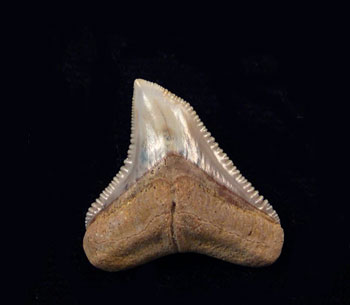
Fossil collectors often seek specimens that are scientifically valuable, visually distinct, and historically significant. Among the wide range of prehistoric shark teeth, bull shark fossils have gained exceptional traction among enthusiasts for their durability, shape, and accessible provenance. At Buried Treasure Fossils, we’ve seen a growing interest in Bull shark teeth for sale, and it’s no surprise considering their scientific relevance and collector-friendly features.
Let’s explore why these fossils have become a consistent favorite for both novice and seasoned fossil hunters.
Distinctive Features of Bull Shark Teeth
Bull shark teeth are typically triangular, broad, and flat, with fine serrations along the edges. These structural traits allowed the bull shark (Carcharhinus leucas) to effectively cut through prey. The teeth average about ¾” in length and are generally symmetrical, which makes them visually appealing for display and organization.
What makes them especially appealing to collectors is their consistency in shape and condition. Most teeth offered on the market retain clear serrations and defined roots, offering insight into the species’ anatomy and feeding habits. Their thickness and robustness also mean they are more likely to be well-preserved through the fossilization process, compared to more delicate species.
Provenance: Where These Fossils Come From
Most bull shark teeth found today come from river deposits and coastal fossil beds along the Atlantic and Gulf Coasts of the U.S. Locations such as Florida, North Carolina, and South Carolina are rich in Miocene and Pliocene-era deposits, where these teeth have been buried for millions of years.
Fossils from these areas often surface in well-defined conditions, making them ideal for collection. The accessibility of these fossil beds also contributes to the abundance of specimens, which has helped establish bull shark teeth as a popular entry point for those new to shark tooth collecting.
Age and Geological Context
Bull shark teeth typically date back to the Miocene and Pliocene epochs, a time range spanning from approximately 23 million to 2.5 million years ago. This period saw significant developments in marine ecosystems, and bull sharks were highly adaptive predators within these environments.
The geological formations where these teeth are found often provide additional sedimentary context, enhancing the scientific value of the fossil. For those interested in paleontology, acquiring a tooth that comes with stratigraphic and locality data increases the specimen’s educational worth.
Availability and Market Appeal
Because of their geographic abundance and durable structure, Bull shark teeth for sale are regularly available through reputable fossil dealers. Their accessibility doesn’t diminish their desirability; instead, it allows collectors to obtain multiple specimens for comparative study or display.
This makes bull shark fossils especially suitable for educational collections, where hands-on learning is emphasized. From classroom exhibits to private fossil walls, these teeth serve both aesthetic and academic purposes.
Scientific and Educational Value
Bull shark fossils help illustrate evolutionary adaptations in coastal and river-dwelling sharks. Bull sharks are among the few species capable of tolerating freshwater, and their fossils can often be found in riverine deposits—offering paleontologists clues about historical marine-to-freshwater transitions.
For collectors, this means owning a piece of evolutionary history. The shape, size, and location of each tooth tell a story about ancient ecosystems and behavioral traits. Enthusiasts appreciate this depth, and educators rely on it to teach students about prehistoric marine life and sedimentary processes.
Variations That Interest Collectors
Although most bull shark teeth share a common triangular shape, there are variations in size, color, and wear that make each fossil unique. Some collectors focus on size—a tooth approaching 1” or more becomes particularly sought after. Others look for exceptional serration preservation or symmetry.
Color is another variable. While many teeth are light tan or gray due to mineralization, some fossil beds produce darker or more vividly patterned specimens, especially those found in blackwater rivers. This range allows collectors to build theme-based displays or specialize their collections by region or geological formation.
Affordable Entry Point for New Collectors
Another reason bull shark fossils have gained popularity is cost accessibility. Compared to rarer species like Megalodon, bull shark teeth are more budget-friendly without sacrificing quality. This positions them as a gateway fossil—ideal for those beginning a serious collection or simply looking to explore fossil hunting as a hobby.
For educators, affordable prices make it easier to purchase sets for hands-on learning modules. For hobbyists, it means acquiring multiple specimens for comparative analysis or visual presentation without a large financial commitment.
Ethical Sourcing and Legitimacy
When acquiring Bull shark teeth for sale, it's critical to buy from trusted fossil suppliers who provide accurate locality and age data. Ethical sourcing practices ensure that fossils are collected without damaging natural environments or violating local regulations. Collectors appreciate transparency when it comes to fossil origin and preservation. Knowing that a specimen was responsibly sourced adds a layer of integrity to any collection, whether it's for personal appreciation or educational outreach.
Popular Among Display and Study Collections
The manageable size and symmetrical shape of bull shark teeth make them ideal for framed collections, shadow boxes, or labeled trays. Collectors often categorize them by location, age, or color, creating informative and visually compelling exhibits.
Their sturdy structure also allows them to be used in teaching kits, where repeated handling is necessary. This durability makes bull shark fossils functional as well as collectible—valuable for both science and presentation.
Visual Aesthetics and Appeal
Although visual appeal isn’t the only criterion for collectors, bull shark teeth often impress with their clean lines and well-defined serrations. Some specimens exhibit natural polish from water wear, while others have mineral deposits that add unique character.
These visual characteristics make bull shark teeth attractive even to non-collectors browsing fossil galleries or gift shops. The aesthetic appeal broadens their marketability, making them a good fit for both personal enjoyment and resale markets.
Collector Community and Educational Sharing
Bull shark fossils also serve as entry points for discussion among fossil communities. Whether online or at trade shows, collectors often exchange information about locations, preservation techniques, and fossil identification. Bull shark teeth, because of their frequency and identifiable features, become excellent reference specimens in these discussions. For academic groups, having standardized specimens helps streamline curriculum design, and bull shark fossils provide consistency in appearance and scientific context.
Conclusion: Why Bull Shark Fossils Continue to Thrive in the Market
We’ve seen a steady interest in Bull shark teeth for sale, driven by their structural integrity, educational value, and visual appeal. Their availability makes them accessible to beginners, while their geological and evolutionary relevance keeps advanced collectors engaged. Whether added to a curated personal collection or used in a classroom environment, bull shark fossils offer a reliable, informative, and rewarding experience for anyone interested in the prehistoric world. Their widespread appeal and consistent presence in the fossil market affirm their place as a collector’s favorite—backed not by rarity, but by value, versatility, and science-backed fascination.
Explore high-quality bull shark teeth for sale—ideal for collectors, educators, and enthusiasts seeking authentic, scientifically significant fossil specimens.






