For millions of years, the ocean has hidden secrets that slowly reveal themselves through fragments of the past. Among the most remarkable relics of marine history are the fossilized teeth of the megalodon, a colossal shark that once ruled the seas. These remains capture the imagination because they connect us directly to an apex predator that lived during an era long before humans. As fossil hunters and scientists continue their explorations, interest grows around the youngest megalodon tooth found, a discovery that raises profound questions about when this giant truly disappeared.
The pursuit of this single fossil isn’t simply about curiosity; it is also about understanding how life on Earth changes and how extinction events shape the future of our oceans.
The Allure of Megalodon Teeth
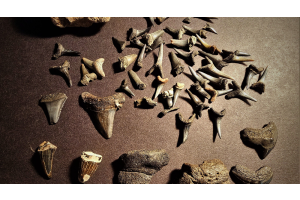
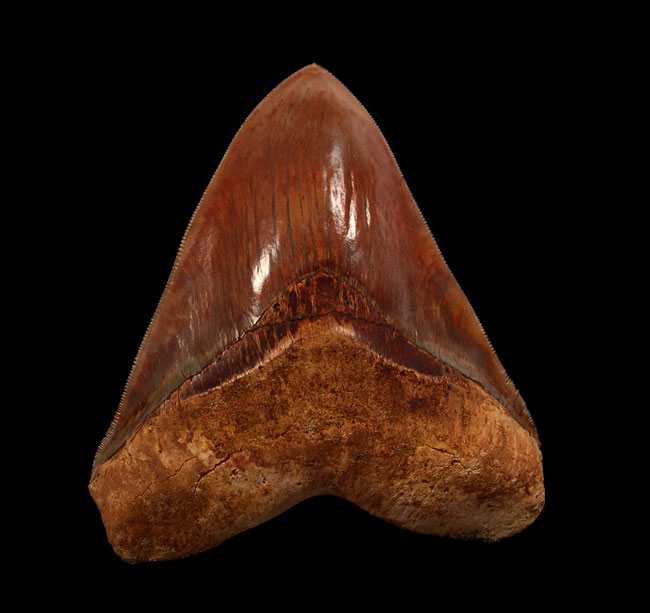
Megalodon teeth are not rare in a broad sense, but each one holds an individual story. With serrated edges and a triangular form, these fossils are unlike anything from modern sharks. Some teeth reach over seven inches in length, symbolizing the strength of the predator that once used them to hunt whales, large fish, and other sharks.
Collectors and scientists alike are drawn to these specimens not only because of their size but because they provide insight into the evolutionary history of sharks. When polished, these teeth gleam like ancient jewels, but beyond the surface beauty lies a deep narrative of survival and extinction.
A Puzzle of Time and Extinction
Determining the exact time when megalodons disappeared has long been a subject of debate. Many studies place the extinction of this species around 3.6 million years ago, but some fossil evidence suggests a later survival in certain regions. This uncertainty makes each discovery valuable. If a specimen can be traced to a younger geological layer than previously known, it has the potential to rewrite the history of the Earth.
Every new discovery contributes to the broader timeline of extinction, revealing how adaptable creatures can be and where their limits may ultimately lie.
The Scientific Hunt for Clues
To understand the significance of megalodon fossils, scientists use a blend of geology, chemistry, and paleontology. Teeth are dated by examining the sedimentary layers in which they are discovered. Radiometric analysis, combined with an understanding of surrounding fossils, helps to narrow down the age of the specimen.
This scientific process is meticulous. One tooth could reveal whether megalodons survived longer in isolated ocean regions or whether their decline was more widespread and rapid than previously believed. For researchers, finding the youngest megalodon tooth is like chasing the last echo of a vanished world.
Ocean Gateways to Discovery
Many of the most compelling fossils are uncovered in coastal regions where ancient seabeds are now exposed. Cliffs, riverbeds, and dredged channels often reveal specimens that have been hidden for millions of years. Some of the most famous collecting sites include the shores of North and South America, as well as regions once covered by warm shallow seas.
For divers, searching underwater for these teeth can feel like stepping back in time. Every scoop of sand or silt carries the possibility of holding a fragment that once belonged to the largest shark known to science. The thrill lies in the balance of patience, persistence, and sheer luck.
What Makes the Youngest Fossil Special
The youngest fossil has the potential to reshape our understanding of the megalodon extinction. If younger teeth are verified, they suggest the giant shark survived longer than previously thought, coexisting for a time with the ancestors of early humans. This possibility creates a fascinating overlap between natural history and human evolution.
Such discoveries also underscore the fragility of ocean ecosystems. By studying when and why a predator of this magnitude vanished, scientists gain insights into today’s conservation challenges.
Stories Hidden in Fossil Layers
Each fossil layer is a time capsule, preserving more than teeth alone. The sediments may contain shells, microfossils, and plant remains, all of which help reconstruct the environment of the megalodon era. By analyzing these surrounding elements, scientists can determine water temperature, salinity, and even shifts in ocean currents.
These details provide a broader picture of why megalodons may have disappeared. Climate change, shifting food sources, and competition with other predators are all factors that may have contributed to their decline.
The Connection to Today’s Oceans
The fascination with megalodons extends beyond the past. It is also about what their extinction teaches us today. Large marine animals play vital roles in maintaining balance within ecosystems. The disappearance of such species creates ripple effects that can change the structure of entire food chains.
Understanding the extinction of megalodons provides insight into the fragility of marine ecosystems. With today’s oceans facing threats from climate change and overfishing, these ancient lessons are more relevant than ever.
Fossil Hunting and Modern Enthusiasm
For many enthusiasts, the search for megalodon teeth is a blend of science and adventure. Families explore riverbanks, divers scour offshore sites, and collectors treasure each find as part of a shared human curiosity about the past.
While some pursue fossils for their monetary value, others see them as keys to understanding a world that shaped the creatures of today. The search is personal, but it also connects people globally through shared fascination with one of nature’s greatest predators.
Where Curiosity Meets Conservation
Every new fossil find is more than a trophy; it is an opportunity to expand our knowledge. As scientists analyze discoveries, they encourage a culture of curiosity and conservation. Fossils may remind us of extinction, but they also remind us of resilience—the ways species adapt and survive, sometimes for millions of years.
The story of the youngest megalodon tooth found reflects this balance. It is about searching for answers, preserving discoveries responsibly, and learning from the giants of the past to protect the creatures of the present.
A Mystery That Continues to Inspire
The ocean’s depths still hold countless secrets, and each fossilized tooth uncovered is another piece of a vast puzzle. While the megalodon may no longer patrol the seas, its presence continues to spark wonder.
In many ways, the fascination is less about the fearsome predator itself and more about what it represents: the unknown, the grandeur of nature, and the endless stories written in stone.
Conclusion: A Call Toward Discovery
The pursuit of the youngest megalodon tooth found is about more than a fossil; it is about keeping alive a sense of wonder for the mysteries of our planet. Each discovery draws us closer to understanding how life evolves, how extinction shapes the future, and how fragile the balance of marine ecosystems can be.
If the story of megalodon stirs your imagination, take the next step—explore, learn, and connect with the ancient ocean through fossils. Each tooth carries a history that waits for someone to bring it back into the light. Begin your own journey, and let the echoes of the past inspire your curiosity today.