The coastline has always carried with it traces of history. Every tide brings new fragments of the past, and every shell or fossil washed ashore is a reminder that the earth has stories buried beneath its surface. Some discoveries capture the imagination more than others, not because of their rarity alone, but because of the worlds they open in our minds. Among these, Venice Beach megalodon teeth hold a unique allure, offering both a tangible connection to a prehistoric predator and a moment of wonder for those lucky enough to find them.
As fascinating as these relics are, their value lies not only in what they are but also in the questions they raise—about the creatures that once roamed the oceans and the environments that nurtured them. Let’s step deeper into this ancient world, guided by the remarkable fossils left behind.
The Ocean’s Prehistoric Giant
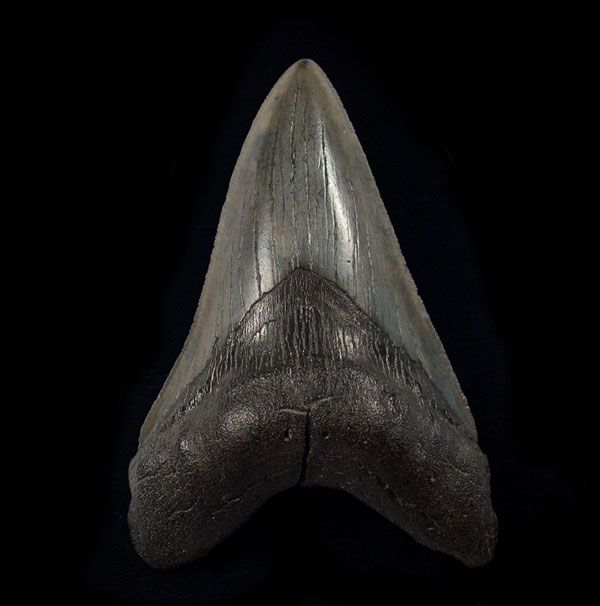
Millions of years ago, oceans were ruled by a colossal shark known as the megalodon. Stretching up to sixty feet in length, it was larger than most modern whales. Imagine an apex predator capable of snapping through the bones of giant marine mammals with teeth the size of a human hand. Each tooth was serrated, designed not merely to pierce but to shear with devastating efficiency.
The existence of such a creature reshaped marine ecosystems. Scientists believe megalodons controlled populations of whales, dolphins, and other large sea animals. With its disappearance around 3.6 million years ago, ocean life underwent a dramatic shift, paving the way for the rise of modern species. Today, its absence is as striking as its dominance once was, and its fossilized teeth remain as enduring reminders of its legacy.
Fossil Clues Beneath Shifting Sands
Unlike bones, which decay more easily, shark teeth fossilize readily because sharks lose thousands of them throughout their lives. These teeth become embedded in sediment layers, eventually mineralizing over millions of years. The different minerals in the water determine their colors, ranging from shades of black and gray to blue and even orange-brown.
This natural process ensures that long after the megalodon disappears, its teeth remain. Collectors and fossil enthusiasts treasure them not only for their rarity but also for the natural beauty they have created over time. Each tooth is unique, carrying both scientific and aesthetic value, shaped by pressures and minerals in the environment where it rested.
Why Florida’s Coastline Reveals Ancient Secrets
Florida’s warm, shallow waters once provided ideal conditions for marine life during the Miocene and Pliocene epochs. The area’s unique geology makes it a natural site for fossil discoveries. Layers of sediment exposed by tides and currents bring long-buried treasures closer to the surface. In contrast, the Gulf of Mexico’s coastal currents act as nature’s conveyor belt, revealing what lies beneath.
This makes Florida one of the most reliable regions in North America for finding fossils. Fossil hunters, both casual and experienced, often turn to the state’s rivers and beaches not only for recreation but for genuine opportunities to uncover history with their own hands. Among the most celebrated locations, Venice Beach has earned a reputation that continues to grow each year.
Venice Beach as a Fossil Hotspot
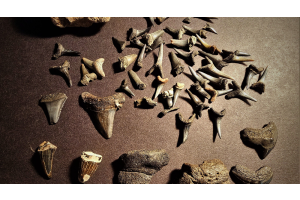
Nicknamed the “Shark Tooth Capital of the World,” Venice Beach draws visitors from across the globe. The ocean floor here is rich with fossil deposits, thanks to geological shifts and natural erosion. With a bit of patience, beachcombers can walk along the shoreline and spot dark triangular shapes among the shells and sand—each one potentially millions of years old.
What makes the experience unique is its accessibility. You don’t need specialized equipment or training. With a simple scoop or even a keen eye, the beach offers a chance to uncover something extraordinary. Every fossil found here is more than a keepsake; it’s an intimate encounter with the history of the ocean.
Collecting as a Way of Connecting
For many, fossil hunting begins as a hobby and grows into a lifelong fascination. Each discovery carries both scientific intrigue and personal satisfaction. Holding a fossil in your hand allows you to bridge time, to imagine oceans filled with creatures so large that modern sharks appear modest in comparison.
This connection is not reserved for scientists alone. Families, travelers, and local explorers often share the joy of finding fossils together. The practice becomes a ritual of curiosity and bonding, creating memories anchored in discovery. Whether the find is a tiny shark tooth or an impressive specimen, the thrill remains the same: you are touching something that has not been touched for millions of years.
The Middle of the Hunt: Finding Rarity in Common Places
At some point during your walk along Venice Beach, you may realize that most shark teeth you find belong to smaller, modern species. Yet, hidden among them are occasional treasures that take your breath away. Larger, heavier fossils—those belonging to prehistoric sharks—surface less often, but when they do, the impact is unforgettable. That’s why Venice Beach megalodon teeth capture such fascination in the middle of any collecting journey. They represent the rare within the accessible, the extraordinary nestled among the ordinary.
The presence of these teeth among countless smaller fossils makes every search worthwhile, even when the results seem modest. Each attempt holds the possibility of uncovering a relic from one of nature’s greatest giants.
Beyond the Collection: A Broader Story
While collecting can be exciting, it’s worth remembering that fossils also play a role in scientific understanding. Each find helps paleontologists build a clearer picture of prehistoric ecosystems. Details such as size, shape, and wear patterns on teeth offer insight into the diets, growth rates, and behaviors of the megalodon and its relatives.
Museums and researchers rely on both professional excavations and contributions from everyday collectors to expand knowledge. In this way, even a casual find can support a broader understanding of Earth’s history. The act of discovery becomes both personal and communal, joining past and present in meaningful ways.
Caring for Fossils as Precious Keepsakes
Once a fossil tooth is found, preservation becomes important. Many collectors choose to display their finds, but proper cleaning is essential for their longevity. Gentle rinsing, avoiding harsh chemicals, and sometimes stabilizing fragile pieces with a protective coating help maintain their condition. Some prefer to keep their fossils in cases, while others mount them as part of home displays.
Regardless of how they’re kept, these fossils remain more than decorative objects. They are treasures that hold both scientific and emotional value, deserving care and respect.
A Timeless Connection to the Ocean’s Past
The fascination with megalodon fossils endures because it links us to an era that feels both distant and familiar. The ocean still covers a significant portion of our planet, and sharks continue to thrive within it. But to hold a fossil tooth from a creature that once dominated those same waters is to feel both humbled and inspired. It’s a reminder that nature has been writing its history far longer than we’ve been reading it.
This sense of connection enriches not only collectors but anyone who appreciates the vast timeline of Earth’s story.
Bringing It Back to the Shoreline
As you leave the beach with pockets filled with fossils, you may find yourself reflecting on the journey. Each fossil represents time, endurance, and resilience. In the search and the discovery, there’s an appreciation for both the fleeting moment and the eternal history that lies beneath it. That’s why Venice Beach megalodon teeth feel so captivating at the end of the hunt. They embody mystery, adventure, and the simple joy of discovering something that bridges past and present.
Conclusion
Whether you’re a seasoned collector or a curious visitor, the shorelines of Florida offer experiences unlike any other. Searching for fossils is not only about what you find but also about the moments of curiosity, patience, and wonder that come with it.
If you’ve ever dreamed of holding a piece of history in your hand, now is the time to make it real. Begin your own journey of discovery and see what timeless treasures the ocean has left behind.