

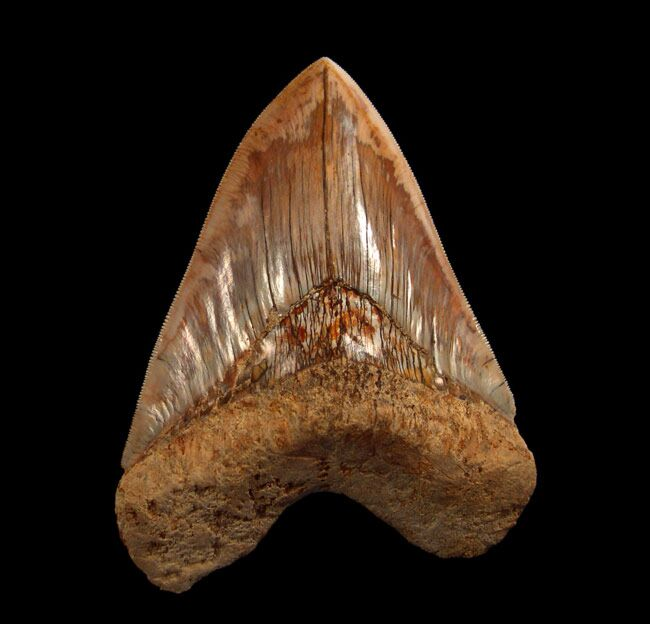
Imagine drifting through the tranquil waters of Florida, sunlight filtering through the trees, and the quiet rush of the current carrying stories from millions of years ago. Fossil hunters often come to these rivers not only for the peaceful surroundings but also for the possibility of unearthing something extraordinary. Hidden beneath layers of sand and silt lie remnants of the largest shark to ever live—an apex predator whose bite dwarfed any creature today. Many enthusiasts dream of finding megalodon teeth in Florida river sites that hold these ancient relics, reminders of a creature that once ruled the seas.
This connection to history sparks curiosity, and curiosity is the spark that turns a quiet day by the water into an adventure.
Why Florida’s Rivers Hold Ancient Secrets
Florida’s waterways act like natural time capsules. Over millennia, changing sea levels and shifting coastlines deposited marine life into areas that are now well inland. Sediments preserved these remains, layering them carefully in sandy bottoms and along riverbanks. When erosion or shifting currents uncover them, fossils reemerge into the light.
For those with patience and a careful eye, each river becomes a treasure map. Collectors often describe the moment of discovery as thrilling—spotting the serrated edge of a fossil tooth half-buried in gravel, waiting for someone to notice it again after millions of years.
Understanding the Ancient Giant
The megalodon was not just large—it was colossal. Estimates suggest these sharks reached lengths of up to 60 feet, with teeth as big as a human hand. Their presence shaped entire ecosystems, influencing the balance of ocean life in profound ways. To hold a fossilized tooth in your hand is to hold evidence of a predator that once swam where whales traveled in pods.
Rivers in Florida have become hotspots because they intersect with these fossil-bearing layers. When currents shift, they reveal remains that have been hidden for ages. This process creates ideal conditions for modern explorers eager to connect with deep history.
Tools of a River Fossil Hunter
Venturing into rivers for fossil hunting requires more than luck—it requires preparation. Common tools include:
● Sifting screens: These help sort through sand and gravel efficiently.
● Diving equipment: In deeper waters, scuba gear allows hunters to search submerged fossil beds.
● Collection bags: Durable mesh bags protect fragile finds while still allowing water to pass through.
● Patience and observation: The greatest tool of all, since the difference between a pebble and a fossil tooth is often subtle.
Hobbyists often emphasize safety first—rivers carry strong currents, and conditions can change quickly. Going with a group is recommended, not only for safety but also for the shared excitement that comes with making discoveries.
Famous Spots for Fossil Finds
Several rivers across Florida have become known for their fossil yields. While some hunters keep favorite locations a secret, others share them openly within the fossil community. Areas like the Peace River are especially well-known, attracting both beginners and seasoned collectors. These waterways offer not only the possibility of megalodon teeth but also fossils from prehistoric mammals, fish, and even marine reptiles.
Each river has its own personality—some are wide and sunlit, while others are shaded and winding, with water stained dark by tannins from overhanging trees. Regardless of location, each offers the same sense of stepping into the flow of deep time.
The Thrill of Discovery
Those who hunt for fossils often describe the activity as meditative. Hours may pass with no significant finds, but the moment something appears, the sense of accomplishment washes away fatigue. A dark triangular tooth among the river gravel is more than a fossil—it’s a story. It connects the finder to an animal that once patrolled prehistoric oceans, influencing the evolution of marine species that exist today.
Even small fragments carry meaning. They hint at the immensity of life forms that once swam where Florida now sits, reminding us that the ground beneath our feet is layered with history.
Responsible Collecting Practices
With the growing popularity of fossil hunting comes responsibility. Collectors are encouraged to follow local regulations, as many rivers require permits for the collection of fossils. Responsible hunters respect the environment, taking care not to disturb habitats while searching.
Ethical fossil hunting also means appreciating the scientific value of discoveries. While many fossils can serve as personal keepsakes, significant finds should be reported to paleontologists or museums, where they can contribute to research on Earth’s ancient past.
Bringing the Ocean’s Past into the Present
Finding a megalodon tooth is more than owning a fossil—it is holding a piece of history. Some collectors frame their finds, while others share them with schools or community groups to spark curiosity in young learners. Fossils remind us that Earth’s story is vast, and our place within it is fleeting yet connected.
The rivers of Florida continue to offer these glimpses into the past. With each fossil unearthed, we gain a new chapter in the story of life on this planet.
Conclusion
Adventures along the rivers of Florida prove that history isn’t confined to books—it lives beneath our feet and flows with the current. Fossil hunting invites us to slow down, to look closer, and to feel the weight of time in our hands. Whether it’s the thrill of discovery or the peaceful hours spent searching, the journey is as rewarding as the find itself.
Many enthusiasts travel far to experience the joy of finding megalodon teeth in the Florida River treasures. These relics are more than souvenirs—they are a direct link to a world that existed millions of years ago.
If you’re ready to experience the wonder for yourself, consider planning a trip to Florida’s fossil-rich rivers. Take your time, respect the environment, and let the current guide your adventure.
Begin your own journey and discover the stories the river has been waiting to share with you.






