

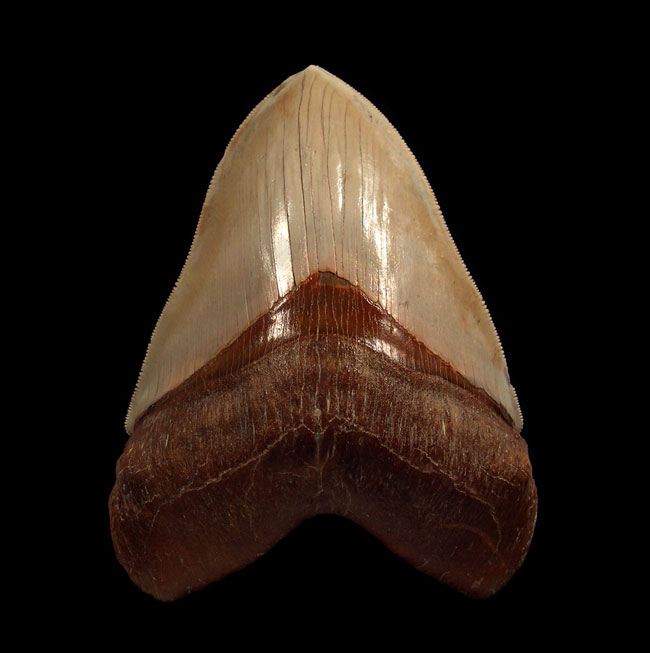
Beneath the glassy surface of the world's oceans lies a realm untouched by time. Long before humans walked the earth, prehistoric beasts reigned beneath the waves—among them, the colossal megalodon. This ancient predator lived during the Miocene and Pliocene epochs and is believed to be the largest shark to have ever existed. For centuries, scientists and collectors have been captivated by the stories its fossilized remains tell. One such story recently resurfaced in spectacular fashion.
With the megalodon tooth found off the coast of Chile—one of the largest ever unearthed—experts were given a rare glimpse into a time when the seas trembled under the might of a marine behemoth. The tooth, both massive and beautifully preserved, has sparked a renewed fascination with the enigmatic ruler of the ancient oceans.
The Mighty Predator of Prehistoric Seas
To understand the impact of such a find, we must look back into history, millions of years ago, to a time when the oceans looked different, and marine life was governed by predators of extraordinary size. The megalodon, whose name translates to “big tooth,” lived between 3.6 and 23 million years ago and is thought to have reached lengths up to 60 feet. Imagine a creature as long as a bowling lane, with jaws large enough to swallow a human whole—twice over.
Its teeth were not only razor-sharp and perfectly adapted for hunting, but also massive, with some reaching over seven inches in length. These triangular fossilized teeth have become symbols of the species’ might, and finding one is like finding a fingerprint left by a ghost.
The recently uncovered Chilean specimen isn’t merely another fossil—it’s an unprecedented peek into a once-dominant predator’s life, and perhaps, its mysterious disappearance.
Why Chile’s Coastline Holds Ancient Secrets
Chile’s expansive coastline, shaped by tectonic forces and layered with rich marine sediments, is one of the planet’s most fertile grounds for fossil hunting. The Humboldt Current, one of the most nutrient-rich ocean currents in the world, has supported dense marine ecosystems for millions of years. These conditions helped create an underwater environment where marine creatures flourished—and where their remains could be entombed, fossilized, and preserved.
When fossils are eventually unearthed from this region, they are often in remarkable condition. The tooth found off Chile’s coast isn’t merely notable for its size. Its coloration, serrations, and intact root make it a rare specimen that has survived an incredible geological journey.
Such finds don’t happen every day. And when they do, they remind us that the natural world still holds mysteries, patiently waiting beneath layers of sediment and time.
A Fossil That Bridges Past and Present
The fossilized megalodon tooth is not simply an object—it’s a bridge. It connects us to a world we’ll never see and offers a physical reminder of what the Earth once was. For scientists, it’s a source of information—telling us about ocean temperatures, the food chain, and the physiology of one of history’s most elusive predators.
But for fossil lovers, collectors, and the simply curious, it’s something more intimate. Holding a megalodon tooth in your hand is like touching a fragment of eternity. It’s a personal encounter with history that turns abstract timelines into something very real.
This Chilean discovery, with its immense scale and near-perfect condition, is a tangible chapter from a story millions of years old—one that speaks of power, survival, and eventual extinction.
Insights into the Creature Behind the Tooth
Fossils are storytellers, and teeth—especially those of carnivores—speak volumes. A megalodon’s tooth doesn’t just tell us its size. It can offer clues about what the shark ate, how old it was, and how it used its environment.
Larger teeth typically belong to mature individuals, and the tooth found in Chile hints at a fully grown adult, possibly nearing the upper end of the species’ size range. This means it may have been among the largest megalodons to have ever lived, cruising ancient seas with unchallenged dominance.
Wear patterns on the tooth’s edges may suggest a diet rich in whales and other large marine mammals, reinforcing what paleontologists have theorized for years. The megalodon’s prey wasn’t small fish—it hunted the giants of its time.
Fossil Hunting as a Lifelong Passion
There’s a unique thrill in fossil hunting—a mix of science, adventure, and reverence for the past. Whether combing through cliffs, sandy beaches, or riverbeds, fossil hunters chase echoes of ancient life. Each tooth or bone they uncover represents an irreplaceable snapshot of natural history.
The excitement isn’t reserved for paleontologists. Fossil collecting has become a global hobby, drawing people of all ages and backgrounds. It inspires schoolchildren, amateur scientists, and those who simply crave a deeper connection to Earth’s history.
When a monumental discovery is made—like this tooth in Chile—it stirs something collective in us. It renews the spark of curiosity. It reminds us how much is still buried beneath our feet or floating quietly beneath the waves.
How These Fossils Are Preserved and Shared
Preserving and studying fossils like this takes care, expertise, and often, a sense of artistry. Fossils must be carefully removed from their matrix—rock or sediment—without damage. They are then cleaned, documented, and sometimes shared through museums, private collections, or educational platforms.
For enthusiasts eager to own a piece of this prehistoric puzzle, acquiring a fossilized tooth is about more than decor—it’s about connection. Owning a genuine megalodon tooth is a chance to hold a piece of history in your palm and to share that wonder with others.
This is why rare specimens like the Chilean tooth are so important. They allow stories to be told, knowledge to spread, and curiosity to flourish.
The Enigma of Extinction
Despite their dominance, the megalodon vanished around 3.6 million years ago. Why? Climate shifts, changing sea levels, and a decline in prey populations may have contributed. With waters cooling and ecosystems shifting, megalodons may have found themselves less equipped to adapt.
But while the species disappeared, its presence never entirely faded. With every fossilized tooth we uncover, the megalodon speaks again—through stone, through science, through story.
The massive tooth discovered in Chile is yet another voice in this ancient choir. It doesn’t scream or shout, but it echoes through museums, hands, and imaginations.
Still More to Discover
Though much has been learned from this find, much remains unanswered. How big was this particular shark? How far did it travel? How did it live? These questions ensure that the search will continue—not only along the coast of Chile but around the world, wherever megalodon teeth may still lie hidden.
The ocean is vast. The Earth is old. And as long as we continue looking, there will always be more to learn.
Let the Past Inspire Your Journey
There’s something magical about connecting with ancient history—especially when it emerges from the depths so vividly. Whether you’re a collector, an admirer of the natural world, or someone simply seeking a one-of-a-kind piece of the past, discoveries like these offer more than a glimpse—they offer an invitation.
If you’re ready to explore the prehistoric, dive deeper into fossil collections, or even begin your own journey into ancient marine life, now is the time. These relics aren’t just artifacts. They’re reminders of the incredible stories still waiting to be told—and they belong in hands that will appreciate them.Start exploring today and find your own piece of history.






