

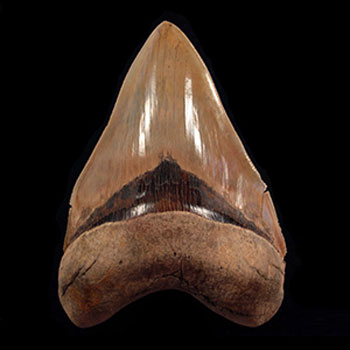
There’s something strangely captivating about holding a fossil in your hand—especially when that fossil belonged to the largest shark to have ever lived. The megalodon, an ancient sea predator, is no longer swimming in today’s oceans, but its fossilized teeth continue to draw curiosity, admiration, and even competitive bids. These triangular marvels of nature, often larger than a human hand, are considered prized collectibles.
While some see them as pieces of history, others collect them as investments or decorative treasures. Understandably, one of the most common questions people ask is how much a megalodon tooth costs, and the answer can be surprisingly complex.
The cost varies widely and depends on several factors, including size, condition, source location, and even mineral composition. Let’s take a deeper dive into the world of megalodon teeth and explore why they continue to capture imaginations across generations.
Size Shapes the Price
The first thing that often determines a megalodon tooth’s value is its size. These sharks grew to nearly 60 feet long, and their teeth followed suit—some of the largest reaching over seven inches. These massive specimens are incredibly rare and tend to sit at the highest end of the price spectrum.
Teeth under three inches are more common and accessible, often collected by beginners or gifted to curious young fossil lovers. Mid-sized teeth, between four and five inches, are typically the sweet spot for collectors seeking value and visual impact. As the size increases, the pool of available fossils gets much smaller, and with that, the cost rises exponentially.
For example, a three-inch tooth may be found for a few hundred dollars, but a flawless six-inch tooth could exceed several thousand—especially if it’s symmetrical and well-preserved.
Condition Is Everything
Two teeth of the same size can carry drastically different values depending on their condition. Chips, cracks, worn enamel, or missing serrations can lower the overall desirability. On the other hand, a tooth with sharp edges, a glossy enamel surface, and a complete root is a rare gem.
Collectors often search for teeth with visible serrations, which indicate minimal wear over time. Some buyers even look for “bourlettes,” the dark band between the root and the blade. A complete bourlette in good condition can elevate a tooth’s value significantly, even if its size isn’t record-breaking.
Coloring also plays a role in the condition. Fossilized teeth can be found in shades of gray, black, brown, or even hints of blue. These colors reflect the minerals in the surrounding sediment and can be a selling point for collectors who prefer more vibrant, eye-catching fossils.
Location Adds to the Story
The geographical origin of a tooth affects both its aesthetic and monetary value. Fossils retrieved from underwater phosphate mines in places like South Carolina or Florida often exhibit rich colors and smoother surfaces due to the aquatic sediment in which they were buried.
Meanwhile, river finds may show more wear from natural tumbling but still hold value due to their rarity and backstory. Locations like North Carolina and Indonesia have gained popularity for yielding high-quality specimens, and these sites often become part of the appeal when collectors tell the story behind their piece.
Fossils pulled from deep mining excavations are also more expensive due to the cost and effort required to retrieve them. The history of a tooth—where it was found and how it was recovered—adds to its charm and collector value.
Authenticity and Restoration
One of the most challenging aspects of purchasing a megalodon tooth is verifying its authenticity. As the market has grown, so have replicas and artificially enhanced pieces. While some restoration is accepted in the fossil community, buyers need to know what they’re getting.
Minor restorations, such as crack filling or enamel polishing, may be disclosed upfront, but major modifications can significantly impact long-term value. Some sellers go to great lengths to reattach broken tips or reshape roots, making it difficult for the untrained eye to identify alterations.
That’s why authenticity certificates and detailed listings from knowledgeable sources are crucial. You want to be confident that what you’re holding isn’t a reworked replica. Collectors new to the space should take time to learn what natural wear looks like and how restored specimens differ in both appearance and price.
From Curiosity to Investment
Megalodon teeth are increasingly viewed not just as collectibles but also as potential investments. As the supply of well-preserved specimens continues to shrink, demand remains strong, especially for larger, pristine pieces.
The fossil market has matured, and many buyers view these relics in the same way art collectors regard rare paintings. A tooth that’s five inches and in great condition today might double in value over the next decade. While profit shouldn’t be the sole reason to purchase one, it’s a compelling factor for many.
Still, the emotional value of owning a megalodon tooth often outweighs any financial reasoning. It’s hard not to be amazed by something that survived millions of years underground and now sits on a shelf or in a display case, reminding us of a time when giants ruled the sea.
Caring for Your Fossil
Once you've acquired a megalodon tooth, maintaining its condition is essential. While these fossils have withstood the test of time, they remain vulnerable to modern threats, including UV rays, humidity, and temperature fluctuations.
Display cases that shield from sunlight and offer controlled environments are ideal. When storing them, avoid placing them on hard surfaces that might scratch the enamel. Gently cleaning your fossil with a soft brush or cloth can help keep it looking sharp without damaging the surface.
Proper care ensures the tooth’s aesthetic remains intact and helps retain or increase its value over time.
Educational and Decorative Value
Megalodon teeth aren’t only for hardcore fossil enthusiasts. They also serve educational purposes and decorative roles. Teachers and museum curators often use them as hands-on tools to discuss prehistoric marine life. At home, they make striking conversation pieces—imagine a framed tooth mounted with a map of its discovery site and a note on its estimated age.
The combination of visual appeal, scientific significance, and historical mystery makes megalodon teeth versatile items that bridge knowledge with curiosity.
So, How Much Is Too Much?
Midway through your search, you may find yourself hesitating. Is that five-inch tooth worth the extra cost? Should you go for one with minor imperfections to save money? These are common questions—and there’s no one-size-fits-all answer.
If your goal is to own a slice of history, even a modestly priced, smaller tooth might be enough. If you're collecting with intent—whether for personal or investment purposes—pursuing a larger, well-documented specimen makes sense. Either way, understanding the different layers of value helps guide your decision.
And if you're still wondering how much a megalodon tooth costs, the truth is that prices can range from under $100 to over $10,000, depending on the factors we've explored.
Wrapping Up With Curiosity
Few fossils stir the imagination quite like a megalodon tooth. Whether you’re buying your first or your fifteenth, each piece is a story in itself—a reminder of a prehistoric predator and the forces of nature that buried it, preserved it, and eventually brought it back into the light.
The experience of owning one isn’t merely transactional; it’s emotional. It connects you to a different era, a different world. And when you look at the sharp edge of the tooth, still intact after millions of years, you realize you're holding something more than a relic—you're holding history.
Begin exploring your next prehistoric treasure with Buried Treasure Fossils.






