

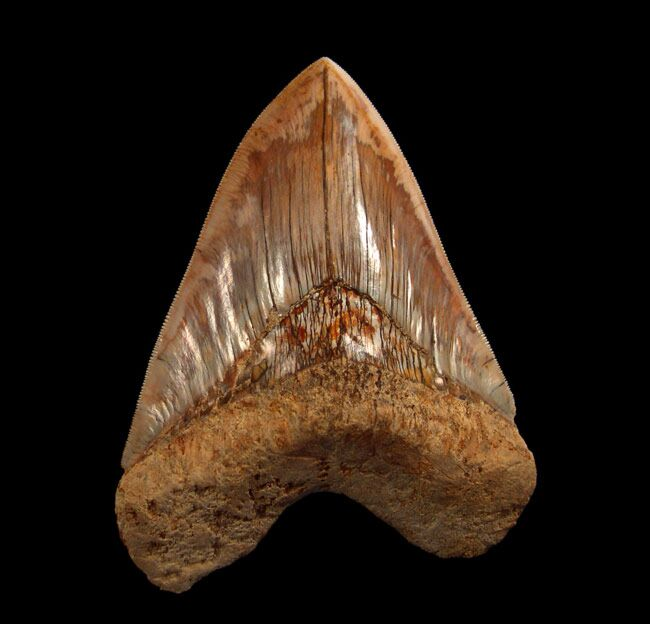
Imagine a calm morning, the tide pulling back like a curtain on a quiet stage. The sand is damp beneath your shoes, and the breeze carries a scent of salt and mystery. There’s no sound louder than your breath or the gentle hiss of waves retreating. Yet beneath your feet lies a secret that predates everything around you—a silent relic of a predator that once ruled the oceans.
That’s when megalodon tooth hunting quietly enters your world, not with fanfare or flashing lights, but with the hush of something ancient waiting to be found. One moment, you’re scanning bits of shell and stone. The next, your fingers close around something curved, serrated, and unmistakably prehistoric.
There’s a transition, right then—not just in what you hold, but in how you see the world. Fossils aren’t things of the past; they’re whispers from it, surfacing through layers of time to meet you halfway.
Let’s take a walk along that whispering coastline together.
Why the Past Still Lingers Beneath Our Feet
Long before concrete cities and smartphones, megalodons swam freely across the ocean, dwarfing today’s great whites in both size and strength. Their teeth, some as long as six inches, now lie buried in rivers, cliffs, and beaches—fossilized reminders of an untamed world.
But here’s the thing: these fossils aren’t tucked away behind glass in museums. They’re still out there. And if you’re willing to slow down, look closer, and listen to the land, you might just find one.
For many, the thrill isn’t in the collecting. It’s in the discovery. Fossil hunting invites you to tune into something more profound—to recognize how much remains hidden beneath what we consider ordinary.
Riverbeds Carved by Time
Some of the wealthiest places to explore aren’t near oceanfront resorts but tucked inland, along quiet rivers with a story to tell. These waterways have been wearing away layers of sediment for thousands of years, gradually revealing what was once buried deep beneath the surface.
Collectors often enter the water with screens, buckets, and the patience of poets. Kneeling in the current, they sift through gravel and mud, gently lifting away history one scoop at a time. The experience is more akin to meditation than mining—calm, focused, and rewarding.
In these waters, megalodon teeth hide among fossilized fish vertebrae, ancient shells, and other marine remains. Each tooth, once part of a creature that could swallow a car, is now reduced to a single clue in a much larger puzzle.
And yet, finding one is never a small thing. It’s a reminder that even in the most peaceful corners of the modern world, echoes of primeval life still stir.
The Beaches Where Fossils Wait in the Sand
Low tide changes everything. It transforms busy beaches into quiet arenas for discovery. As the ocean steps back, it leaves behind more than driftwood. If you’re lucky—and paying attention—you might spot the sharp geometry of a megalodon tooth nestled between crushed shells and seaweed.
Storms help, too. After a windy night or heavy surf, fossil-rich layers of sand often shift, pushing new finds to the surface. These moments are fleeting. The tide always returns, and the window closes fast. But for those ready to greet the morning with a flashlight and a keen eye, the rewards can be extraordinary.
Unlike river hunting, where you search in shadows, beach hunting is a game of light and angles. It’s about spotting the right texture, the right sheen, the right edge that doesn’t belong.
Each walk along the surf becomes a possibility. Each step, a question: what might the tide have brought in today?
Cliffs Shaped by Time and Patience
In some places, ancient cliffs rise high above the sea, their exposed layers telling a quiet story of time. Rain, wind, and erosion do the hard work of revealing fossils. All you have to do is watch and wait.
After a rockfall or storm, fossil hunters scour the base of these cliffs, combing through piles of newly loosened sediment. It’s delicate work—no one climbs or chips away recklessly. Instead, it’s a practice of observation. The fossils don’t need to be found. They reveal themselves.
This is where the most prominent megalodon teeth often appear—embedded in compacted material or lying among marine debris from ages past. And the feeling of pulling one from the dirt? Unmatched.
Something is humbling about standing beneath a cliff that holds the weight of eons and holding in your hand a tooth that once belonged to a sea giant. You realize the earth isn’t still. It’s quietly alive with memory.
Where Still Waters Run Ancient
Not every fossil journey needs cliffs or surf. Some of the most overlooked sites are swampy creeks or slow-moving estuaries. These are places that don’t make the lists, don’t attract crowds, and don’t offer postcard views. But they do offer silence—and sometimes, in that silence, a gift.
Here, fossil hunters often wade through waist-deep water, hands sifting through soft earth, waiting for texture to tell the story. These locations feel more personal, like shared secrets between you and the landscape.
There’s little to see at first glance. But that’s the point. These are not places for speed or certainty. They’re for stillness and surprise.
And when a megalodon tooth rises out of the muck like a message in a bottle, it doesn’t feel accidental. It feels like a quiet agreement between you and the past.
The Heart of the Search
Let’s pause in the middle of this journey and ask: why do we do this?
It isn’t for money or fame. It’s for something more profound—something quiet and persistent. A need to connect with what came before us. A desire to know that even in a world dominated by screens and schedules, there are still discoveries to be made with our own two hands.
Megalodon tooth hunting is a modern-day pilgrimage. It rewards focus over flash, consistency over chaos. And every fossil you find is a reminder that life leaves traces—sometimes beautiful, always meaningful.
These teeth are more than sharp edges. They’re time travelers. They’ve waited for centuries, through ice and flood, to finally meet you.
Bringing the Past to Your Present
Each fossil is unique, not just in shape and size but in story. Some are nicked from battles. Others are smooth from centuries in the tide. When you bring one home, you’re not taking a souvenir—you’re welcoming a chapter of earth’s narrative into your life.
And that’s where the real value lies. In connection. In the meaning. In the humble thrill of knowing the past is still present, if you know how to look.
These aren’t museum pieces behind glass. They’re reminders that even now, with all we know, there’s more to discover.
Ready to Begin Your Fossil Journey?
Whether you’re knee-deep in a river or walking along a misty shoreline, the invitation remains the same: look closer. The earth remembers. It hides its history in pebbles and sand, waiting for the right eyes to see it.
So take a moment. Choose a weekend. Pack light. Bring patience.
And if you’re searching for genuine fossil finds—carefully sourced and shared with those who genuinely value their story—start your hunt with Buried Treasure Fossils. The subsequent great discovery might be waiting for you.






