

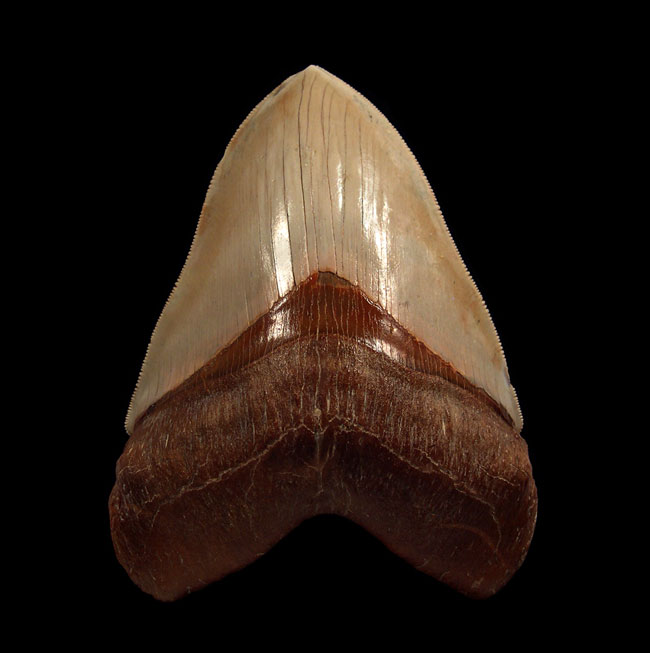
The fossil record tells stories that echo across millions of years, offering glimpses into a prehistoric world ruled by giants. Among the most fascinating of these relics are megalodon teeth—powerful remnants of the largest predator to ever inhabit Earth’s oceans. But while thousands of these teeth have surfaced across various continents, one discovery has risen above the rest, quite literally. We’re talking about the biggest megalodon tooth in recorded history—a specimen that ignites awe and admiration among fossil collectors and paleontologists alike.
Let’s explore the extraordinary discovery that gave us this record-breaking fossil, what makes it so unique, and why it holds a historic place in the study of ancient marine life.
A Remarkable Discovery in the Heart of Chile
The journey begins in the Atacama Desert region of Chile, a place known more for its dry, Mars-like terrain than for underwater relics. Yet, this arid land once lay beneath ancient seas teeming with marine predators, including the mighty Otodus megalodon. It was here that fossil hunter Roberto Yáñez uncovered what would become known as the largest verified megalodon tooth ever discovered.
Measuring a jaw-dropping 7.48 inches (190 mm) in slant height, this tooth did not just beat the previous record—it shattered expectations. For context, most megalodon teeth unearthed worldwide range between 4 and 6 inches. Finding one that stretches well beyond 7 inches is an event so rare that it becomes almost mythic within fossil-collecting circles. And yet, here it was—real, intact, and backed by scientific validation.
A Tooth Unlike Any Other
What sets this particular specimen apart isn't just its record-breaking size. The condition in which it was found adds layers of significance. The tooth boasts excellent preservation, including finely serrated edges, a well-defined root, and coloration consistent with the ancient marine sediment layers of northern Chile. These qualities point to not just a large megalodon, but one that lived during an era with conditions perfect for fossil preservation.
In addition, the slant height—which measures from the tip of the crown to the longest point of the root—has become the standard for comparing the size of megalodon teeth. At 7.48 inches, this tooth stands as a benchmark for other finds, representing a predator that may have reached lengths of over 60 feet. Its rarity and condition have elevated it to legendary status among enthusiasts and collectors.
Comparing the Giants: Just How Big Was This Megalodon?
To understand the historical significance of this fossil, it helps to consider what it tells us about the creature it once belonged to. A megalodon tooth of this size likely came from the upper jaw of a fully mature individual. Paleontologists estimate that for every inch of tooth, a megalodon could measure around 10 feet in body length. That means the shark that grew this massive tooth could have been more than 70 feet long—about the size of two school buses laid end-to-end.
This is not just a number. It's a window into the scale of the prehistoric oceans and the apex predators that roamed them. The sheer power needed to grow and maintain such a tooth speaks volumes about the megalodon's role in the marine food web. And when we talk about the biggest megalodon tooth ever found, it isn't simply about records—it’s about revealing the apex of an already formidable lineage.
Why Chile? Fossil-Rich Regions and Their Clues
The fact that this monumental tooth was found in Chile isn’t coincidental. The region has long been a hotbed for fossil discoveries, especially those from the Miocene and Pliocene epochs. Rich marine sediment deposits and minimal vegetation make it easier for paleontologists and collectors to identify and retrieve fossilized remains.
Chile’s northern coastline, millions of years ago, was submerged beneath deep ocean waters—waters that were ideal for large marine life, including whales, giant turtles, and, of course, megalodons. The environmental conditions preserved a range of marine fossils in remarkable detail. In the case of the biggest megalodon tooth ever found, these conditions allowed for a specimen that retained both its form and texture.
The Legacy of a Prehistoric Predator
This tooth is more than just a collector’s treasure—it’s a scientific artifact that provides insight into the evolutionary biology of one of the most fearsome predators in Earth’s history. Each groove and ridge tells a story about feeding behaviors, age, and environmental conditions. Paleontologists continue to study teeth like this to better understand megalodon migration, growth rates, and extinction patterns.
When a fossil like this emerges, it doesn't merely get added to a shelf. It becomes part of a larger conversation—one that spans disciplines from paleontology to marine ecology. The biggest megalodon tooth ever found not only makes headlines; it informs models, theories, and our collective understanding of prehistoric life.
Why This Tooth Continues to Inspire
Even after being studied, measured, and verified, the excitement surrounding this fossil hasn’t faded. Its presence serves as an emblem of possibility. What else lies buried beneath our feet? What other stories are waiting to be discovered in the fossil-rich layers of our world?
There’s something deeply inspirational about holding a piece of a creature that lived millions of years ago—a creature so massive and so dominant that its presence still echoes in our imaginations. The reverence for this fossil isn't limited to its scientific value; it extends to the emotional and intellectual curiosity it stirs in anyone who learns about it.
And for collectors, historians, and enthusiasts, this discovery remains a north star—a reminder that fossil hunting is as much about preserving the past as it is about sparking wonder in the present.
Conclusion
The discovery of the biggest megalodon tooth in history is not just a fascinating story—it’s a landmark in our understanding of Earth’s prehistoric giants. From its origin in the fossil beds of Chile to its record-breaking measurements, the tooth embodies everything that makes fossil discovery such an awe-inspiring pursuit. It teaches, it fascinates, and above all, it reminds us of the vast, powerful world that existed long before ours.
As we continue to explore and learn from fossils like this one, we honor the natural history that shaped our planet—and the relentless curiosity that drives us to uncover it.
Explore authentic megalodon fossils and discover your own piece of ancient history that inspires awe, learning, and lasting fascination.






