

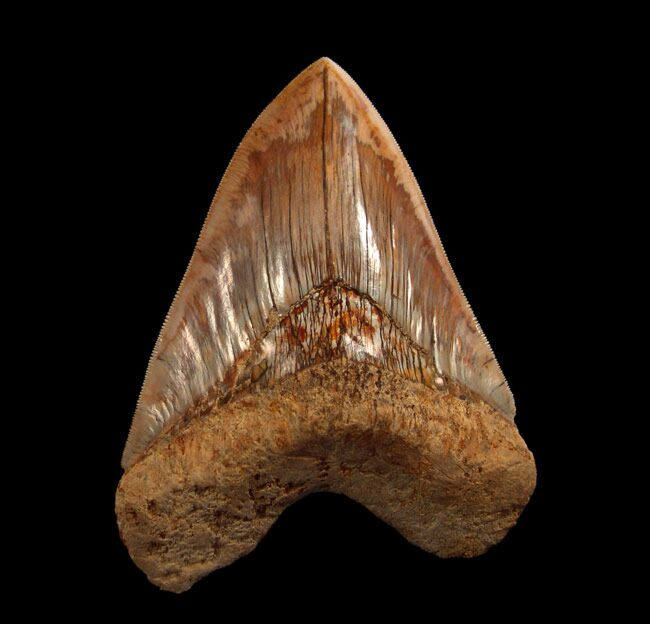
There’s something magnetic about the idea of uncovering a relic from millions of years ago. For fossil collectors, few discoveries rival the excitement of finding a Megalodon tooth. These massive teeth, often as long as a human hand, belonged to the largest shark to ever live—Otodus megalodon, a creature that ruled the oceans roughly 23 to 3.6 million years ago. Whether you're a seasoned fossil hunter or just dipping your toes into this hobby, we understand the thrill, the challenge, and the reward that comes with megalodon tooth hunting. And yes—we’re as hooked as you are.
Let’s explore how to make your next fossil hunt educational, responsible, and packed with excitement.
The Story Behind the Tooth: A Glimpse into Deep Time
Before heading into the field, it helps to understand exactly what you’re looking for. Megalodon teeth are remnants from a prehistoric predator estimated to have grown up to 60 feet long. These ancient sharks prowled warm coastal waters and, like modern sharks, continually shed teeth—leaving behind an abundant fossil record.
Because these teeth are made of highly durable dentin and enamel, they have a better chance of fossilizing than other bones. Over time, minerals replace the organic material, giving fossilized Megalodon teeth their signature dark coloration—ranging from charcoal to chestnut browns and sometimes even bluish-gray shades.
Knowing this backstory makes each discovery feel even more powerful. You're not just picking up a tooth; you're holding a piece of Earth's ancient ocean history.
Where to Begin Your Search: Proven Hunting Grounds
Megalodon teeth don’t just pop up anywhere—they’re most often found in specific coastal regions where ancient sediment layers are accessible. A few famous spots have become popular for good reason. Beaches like Venice Beach in Florida are sometimes referred to as the “Shark Tooth Capital of the World” due to the high frequency of fossilized shark teeth washing ashore. South Carolina, particularly around the rivers near Charleston, is another hotspot. Here, tidal action, erosion, and riverbed dredging reveal layers that date back millions of years.
If you're more inland, consider fossil-rich streams or even phosphate pits with the proper permissions. These areas often yield teeth buried deep beneath layers of sand and clay. The key is knowing where the ancient seabeds once were—and targeting those zones today.
What to Pack: Basic Tools for Success
You don’t need an expensive setup to get started. In fact, many great finds come from basic tools and a little patience. A sand scoop or sifter is a handy companion for beach hunting. For riverbanks or creek beds, a shovel and a small sifting screen can help separate rocks and sand from what might be a million-year-old treasure.
It’s also smart to bring along a mesh bag or bucket for your finds, gloves for protection, and a guidebook or app to help with fossil identification. And don’t forget water and sunscreen—exploring under the sun can turn into an all-day event before you know it.
The trick is being prepared without overpacking. Travel light, stay comfortable, and stay alert—you never know when a glint in the sand might be your next Megalodon find.
Techniques That Work: Patience Meets Practice
When it comes to megalodon tooth hunting, a little technique goes a long way. Whether you’re combing beaches or navigating knee-deep river water, the process is all about scanning carefully and sifting methodically. Beach hunting works best just after storms, when the tide has turned up new layers of sediment. Try to search along the high-tide line or areas with visible shell deposits—these tend to act like natural filters, catching teeth and fossils.
In rivers or creeks, dig near gravel beds and bends in the water. These areas often collect heavier items, including fossilized teeth. Once you scoop up a section, sift it slowly and examine it in natural light. Some teeth may be covered in sediment or algae and easy to overlook, so don’t rush it. The thrill isn’t just in the find—it’s in the process. Every hour spent sifting brings you closer to that rewarding moment when a tooth breaks through the dirt, and suddenly, you're holding a link to a predator that hasn’t swum the seas for millions of years.
Respecting the Past: Ethics of Fossil Hunting
Megalodon teeth may be ancient, but fossil hunting today is a very modern responsibility. With growing interest in these prehistoric treasures, it’s important to hunt responsibly and ethically. Always research whether a site allows fossil collection. Many locations require permits or landowner permission. Public lands may have restrictions, while private lands often offer more flexibility. Never remove fossils from protected areas such as national parks or archaeological reserves.
Be mindful of the environment, too. Avoid disturbing habitats or leaving behind trash. And if you find an especially large or unique specimen, consider reporting it to a local museum or university. It may contribute to ongoing scientific research. Responsible megalodon tooth hunting ensures that this exciting hobby remains accessible for generations—and helps preserve both the thrill and the science behind the search.
Learning Never Stops: From Beginner to Collector
The more you hunt, the more you learn. Identifying different shark species by tooth shape, estimating age by coloration, and distinguishing between broken fragments and full teeth becomes easier with practice. For many collectors, this journey transforms from a casual beach walk to a deeply engaging passion.
Some collectors focus on rare finds—like pathological teeth with unusual shapes, or exceptionally large specimens. Others enjoy cataloging their discoveries or trading with fellow enthusiasts. However you approach it, one thing is certain: there’s always more to explore, more to learn, and more to find.
Why Megalodon Tooth Hunting Captures the Imagination
There’s something inherently adventurous about fossil hunting. Maybe it’s the blend of science and mystery, or the idea of stepping into the shoes of paleontologists for a day. For many, it’s also a way to reconnect with nature, explore coastal landscapes, and escape the usual routine.
Megalodon tooth hunting taps into a primal curiosity. These teeth aren’t just relics—they're time capsules. They hold stories of a different world beneath the waves, one of massive predators, shifting continents, and ancient seas that once stretched over lands we walk on today. Every tooth has a story. And every hunt adds a new chapter to your own.
Conclusion: Your Next Adventure Begins with Curiosity
Megalodon tooth hunting isn’t just about collecting fossils—it’s about embracing the adventure, learning from the past, and treading respectfully through the natural world. With the right tools, a bit of patience, and an eye for detail, anyone can join in this rewarding pursuit. We encourage you to get out there, explore responsibly, and enjoy every moment of the hunt.
Whether it’s your first find or your hundredth, the excitement never fades. Keep your eyes on the sand, your hands in the gravel, and your heart open to discovery. The next megalodon tooth could be just one step away.
Start your fossil hunting journey today—gear up, explore, and discover your own megalodon tooth buried in ancient sands.






