

If you’ve recently come across a Megalodon tooth—or you’re thinking about adding one to your fossil collection—you’re probably wondering: is it real, and is it worth keeping? This is one of the most exciting parts of fossil collecting: that moment of holding a piece of prehistoric history in your hands and wanting to know its story. We’ve seen countless beginners ask how to tell the difference between authentic and replica Megalodon teeth, and how to understand their true value. Understanding megalodon tooth value early on gives you the confidence to grow a meaningful collection.
Let’s explore what you should really look for when deciding if that tooth in your hand is the real deal—and whether it’s worth keeping in your collection.
Know What the Real Thing Looks Like
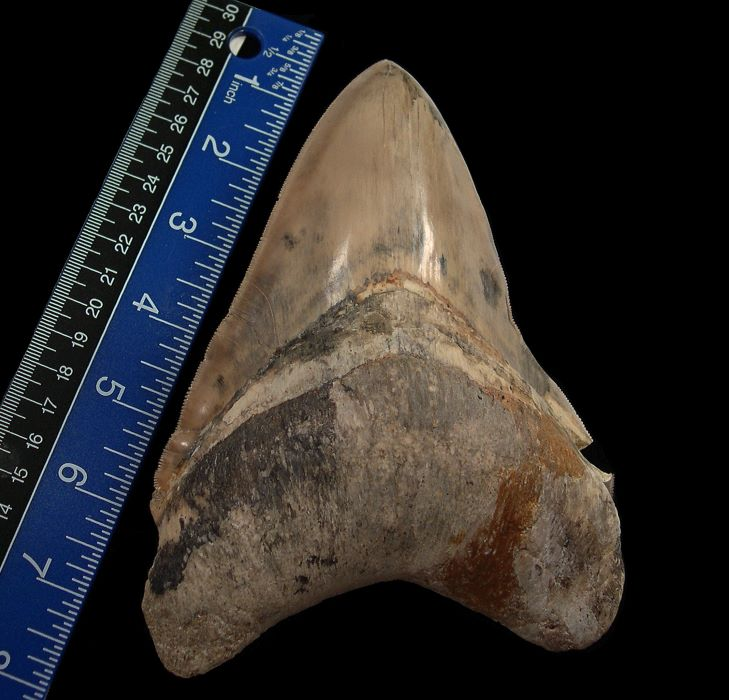
Megalodon teeth have some very recognizable features. Most of the authentic ones measure between 3 and 5 inches, with rare finds pushing 6 and 7 inches. Real teeth typically have a glossy enamel layer, with visible serrations along the edge if they’re well-preserved. The root and bourlette—the dark band that sits between the root and the enamel—are distinct in genuine pieces.
The enamel shouldn't feel plastic-like or unusually smooth. It should have texture, even if subtle. The coloration will vary based on the sediment it was buried in. Don’t expect a perfect shape or color. Real fossils often have slight wear or mineral staining. That’s part of their charm.
How to Spot a Replica Tooth
Replica Megalodon teeth are often made of resin or composite materials. They're usually mass-produced and sometimes even sold as décor. One way to spot a fake is by weight. Fossilized Megalodon teeth tend to be heavier than resin replicas due to mineral replacement over millions of years. If a tooth feels unusually light for its size, that’s your first red flag.
Also, pay attention to the texture and the details. Replicas may look too clean or uniformly colored. Serrations, if present, may appear sharp but oddly symmetrical—real fossil teeth don’t have mechanical precision. Mold lines or visible seams are also giveaway signs.
Consider the Location and Seller
Suppose you found your tooth at a beach, riverbed, or from a trusted fossil dealer, which increases the chances that it's authentic. South Carolina, North Carolina, and Florida are common locations where real Megalodon teeth are found. But keep in mind, even in those areas, not every tooth is genuine. Context matters, but it's not the only indicator.
When buying, research your seller. Reputable fossil vendors usually provide information on where and how the tooth was collected, including any restoration work. Be wary of sellers offering large Megalodon teeth at low prices without any background information.
The Role of Size, Condition, and Rarity
Let’s talk about megalodon tooth value a little more. One of the biggest factors affecting value is size. Larger teeth (above 5 inches) are significantly more valuable, especially when they’re intact. The largest known tooth measures over 7 inches, but these are incredibly rare.
Condition also plays a huge role. A tooth with full serrations, a complete root, and minimal damage commands a higher price. Restoration affects value, too. Some teeth are repaired or restored with added material, and while they may still be collectible, their value is generally lower than that of unaltered specimens.
Color is another aspect that can affect desirability. Some collectors seek out specific hues—like jet black, blue-gray, or even rust-red. These are influenced by the minerals in the surrounding soil during fossilization, and though color doesn’t always raise the price, it can make a tooth more desirable to the right collector.
Authenticity Certificates: Helpful, but Not Foolproof
Some sellers provide certificates of authenticity with their Megalodon teeth. While these can be helpful, they're not a guarantee. The fossil industry isn’t heavily regulated, so these certificates depend largely on the reputation of the person or business behind them. A certificate from a respected source adds confidence, but it’s still important to inspect the tooth yourself—or consult with someone knowledgeable if you're unsure.
Start Small, Learn as You Go
If you’re just beginning, you don’t need to rush into buying the biggest or rarest tooth. Many collectors start with smaller, more affordable teeth—typically in the 2 to 4-inch range. These are easier to verify and less costly if you make a mistake. Over time, as your eye for detail develops, you’ll start spotting the signs of authenticity more easily.
Use online fossil communities, videos, or educational blogs to compare your finds. The more examples you study, the better you'll get at identifying what makes a tooth collectible—and what doesn’t.
Restoration vs. Damage: What’s the Difference?
Restoration refers to the process of repairing missing parts of a fossil to return it to a more complete condition. This could include reconstructing a chipped root or filling in worn enamel. Damage, on the other hand, refers to flaws that are left untouched—like cracks, chips, or missing parts.
A well-restored tooth may still hold megalodon tooth value, but it depends on the extent and visibility of the work. Most experienced collectors prefer authenticity over perfection. They’d rather have a slightly worn but untouched tooth than one that’s been heavily reconstructed.
Trust Your Instincts, But Verify
When something feels off—maybe the tooth feels too smooth, too lightweight, or too flawless—trust that instinct. It’s better to question it than to assume it’s real. But back up that gut feeling with knowledge. Learn how different sediment types affect color. Understand what a good serration should look like. Know what restoration work looks like compared to natural wear. The more you educate yourself, the more confident you’ll feel when adding to your collection.
Conclusion: Every Great Collection Starts with One Authentic Tooth
Collecting Megalodon teeth isn’t just about size or rarity—it’s about connection. Each fossil has a story that spans millions of years. And the more you know, the better you’ll be at picking teeth that carry both history and value. Whether you're holding your first find or considering a purchase from a fossil dealer, understanding megalodon tooth value will help guide your choices.
We’ve seen how meaningful it is when collectors discover their first authentic piece—it often sparks a lifelong passion. So take your time, do your research, and enjoy the thrill of building a fossil collection that’s truly worth holding on to.
Start your fossil journey today—discover authentic Megalodon teeth worth collecting and build a collection rooted in prehistoric history.






