

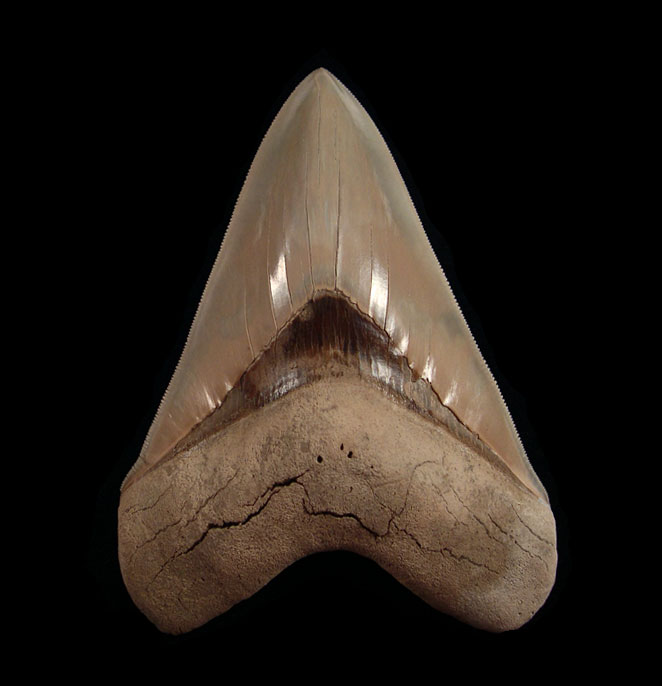
The world of fossil collecting is filled with treasures that connect us to the distant past, yet few specimens capture the imagination like shark teeth from the prehistoric oceans. Within the first minute of holding a Lee Creek Megalodon tooth, a collector instantly understands both its scientific value and the deep sense of history it carries. These fossils, especially those from the famous North Carolina phosphate mines, have become increasingly scarce since the closure of their original collecting site. For investors and enthusiasts alike, that scarcity only intensifies the demand.
A Prehistoric Predator and Its Legacy
The Megalodon, or Otodus megalodon, was the apex predator of its time, dominating the Miocene and Pliocene seas between two and fifteen million years ago. With a body estimated to exceed 60 feet in length and teeth that could measure over 7 inches, this ancient shark was a true giant. While many fossil shark teeth are accessible to collectors, Megalodon specimens—particularly those from Lee Creek—stand apart due to their remarkable quality, unique geological origin, and pristine preservation.
Every tooth tells a story of immense power and survival, but also extinction. For collectors, it is not simply an artifact but a direct, tangible link to the largest predator to have ever lived. That sense of awe has helped turn these fossils into investment-worthy treasures.
Why Lee Creek Fossils Stand Apart
The Lee Creek phosphate mine in Aurora, North Carolina, is legendary among fossil collectors. It produced some of the most beautiful shark teeth ever found. Unlike other localities, the mine’s geological formations—the Miocene Pungo River Formation and the Pliocene Yorktown Formation—preserved Megalodon teeth with a unique combination of sharp serrations, vibrant enamel, and wide triangular crowns.
For serious collectors, a tooth from Lee Creek carries more prestige than one found elsewhere. They are instantly recognizable for their aesthetics and durability. A Lee Creek Megalodon tooth often exhibits striking coloration, from golden hues to steel blues, making it stand out in private collections or museum exhibits.
Unfortunately, collecting at Lee Creek has been closed since 2008. The shutdown halted new supply, leaving only older collections to fuel the market. As the years pass, this finite inventory becomes even more precious.
The Closure That Changed Everything
When the mine’s gates closed to fossil hunting, the ripple effect was immediate. For decades, both amateur and professional collectors visited Lee Creek, uncovering fossils that thrilled the paleontological community. Once access ended, the pipeline of fresh finds dried up overnight.
Scarcity is now the defining characteristic of Lee Creek material. Unlike other fossil sites where ongoing digs replenish the market, no new Megalodon teeth will ever come from this mine. What remains in circulation today are fossils collected years ago—often guarded closely by private owners.
That scarcity has pushed prices upward, but more importantly, it has created a sense of urgency. Collectors understand that when a Lee Creek specimen appears for sale, it is not just a fossil; it is a chance to own something that may never be available again.
Demand Among High-End Collectors
The rise in demand is not simply about rarity—it is about prestige and legacy. For high-end collectors and fossil investors, acquiring a specimen from Lee Creek is akin to owning a gemstone of unmatched provenance.
These fossils often serve as centerpiece items in personal collections. Investors view them as assets that combine scientific heritage with long-term value appreciation. As supply dwindles, demand only grows. For example, museum-quality specimens with complete serrations, flawless enamel, and roots intact can command thousands of dollars.
At Buried Treasure Fossils, we have witnessed firsthand how quickly these fossils attract attention when offered. Serious collectors understand that waiting often means losing the opportunity to someone else.
The Role of Authenticity
One of the key reasons collectors turn to us is the assurance of authenticity. With scarcity comes an unfortunate rise in imitations and poorly restored specimens. At Buried Treasure Fossils, every item is carefully vetted, and we pride ourselves on offering authentic, unrestored Lee Creek Megalodon tooth fossils. Many come directly from older collections, ensuring that the piece you acquire is not only genuine but also historically significant.
For new collectors, this trust is invaluable. For seasoned investors, it is essential. Authenticity preserves both the scientific and financial value of each fossil, making your investment secure.
Educational Value Alongside Investment
Beyond their role as collector’s pieces, Lee Creek fossils also provide an educational bridge to prehistoric life. Each specimen is a window into ancient marine ecosystems, allowing us to study the evolutionary journey of sharks and the dynamics of Miocene oceans. Schools, universities, and museums often seek out these fossils for teaching and exhibitions, which adds to their cultural and academic significance.
For private collectors, owning one is not just about financial gain. It is about holding a piece of natural history in your hands—something that connects you directly to the deep past. That combination of passion and education strengthens their appeal, even for those entering the market for the first time.
The Rising Investment Potential
In recent years, fossils have carved out a niche in the investment world. Unlike traditional assets, they carry both tangible and aesthetic value. The Lee Creek Megalodon tooth represents one of the strongest examples of this trend. As fewer specimens circulate and more collectors compete for them, market value continues to climb.
While smaller teeth remain somewhat accessible, large, pristine specimens are increasingly difficult to obtain. These are the fossils most likely to appreciate in value, making them highly attractive for investors. Collectors who acquired Lee Creek fossils before the mine closure have already seen significant returns. Those entering the market today still find opportunities, but patience and decisiveness are essential.
Why Collectors Trust Us
At Buried Treasure Fossils, our passion for prehistoric life drives everything we do. Since 2000, we have offered a wide selection of authentic fossils, carefully sourced and verified. Our catalog spans shark teeth, dinosaur fossils, trilobites, ammonites, and more, but the prestige of Lee Creek specimens holds a special place.
We offer both entry-level fossils for beginners and museum-grade specimens for high-end collectors, ensuring everyone can find a piece of history that fits their budget and passion. From free shipping options to detailed fossil histories, we are committed to making fossil collecting a smooth and rewarding experience.
Conclusion: The Timeless Appeal of Lee Creek Fossils
The closure of the Aurora phosphate mine forever changed the fossil market, transforming Lee Creek specimens into irreplaceable treasures. For collectors and investors alike, a Lee Creek Megalodon tooth embodies rarity, beauty, and historical significance. Scarcity ensures demand will continue to rise, and with every passing year, these fossils become harder to acquire.
Whether you are an experienced investor or an enthusiast seeking your first high-quality specimen, there has never been a better time to explore what remains available. At Buried Treasure Fossils, we are proud to offer authentic fossils that inspire awe and admiration. Browse our exceptional collection today and discover the unmatched value of owning one of the most sought-after fossils in the world.






