Some places seem destined to hold secrets of Earth’s deepest past, waiting patiently for human hands to uncover them. Aurora, North Carolina, is one such place. Nestled just south of the Pamlico River, this small town once earned the reputation as the ultimate pilgrimage site for fossil hunters around the globe. Here, in the rich phosphate mines that scar the landscape, collectors unearthed treasures millions of years in the making, fossilized remains of ancient marine creatures, most notably the fearsome Megalodon shark.
But Aurora’s story is not just about fossils; it’s about an era when open pits revealed the teeth of giants, a community built around fossil culture, and the transformation from a fossil hunter’s paradise to a museum-supported hub of discovery.
Let’s explore the fascinating history of the Megalodon teeth fossil near Florida river in Aurora’s phosphate mines.
The Geological Foundations: Pungo River & Yorktown Formations
To understand why Aurora became such a fossil hotspot, you must look below the surface, literally. Beneath this coastal plain lie two extraordinary sedimentary layers:
The Pungo River Formation (dating back around 18–22 million years to the Miocene epoch)
The Yorktown Formation (younger, from the Pliocene epoch, roughly 2.5–5 million years ago)
These formations were once part of an ancient marine environment. Millions of years of ocean life were buried, preserved, and transformed into phosphate-rich sediment. Over time, the phosphate became an economic resource, and mining operations exposed vast deposits of fossilized remains.
From shells and whale bones to the prized Megalodon teeth, Aurora’s phosphate mines were like nature’s time capsule cracked open. Fossil enthusiasts flocked from far and wide, armed with screens, buckets, and the hope of finding a tooth from a predator that once ruled the seas.
The Golden Age of Fossil Hunting in Aurora
During the late 20th century, Aurora’s phosphate mines, operated by companies extracting minerals for agricultural and industrial use, became an accidental playground for fossil collectors. Workers and locals realized the mines were overflowing with fossils, and access was relatively open.
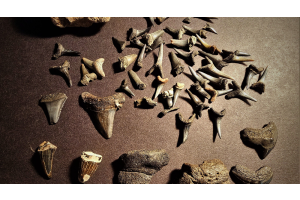
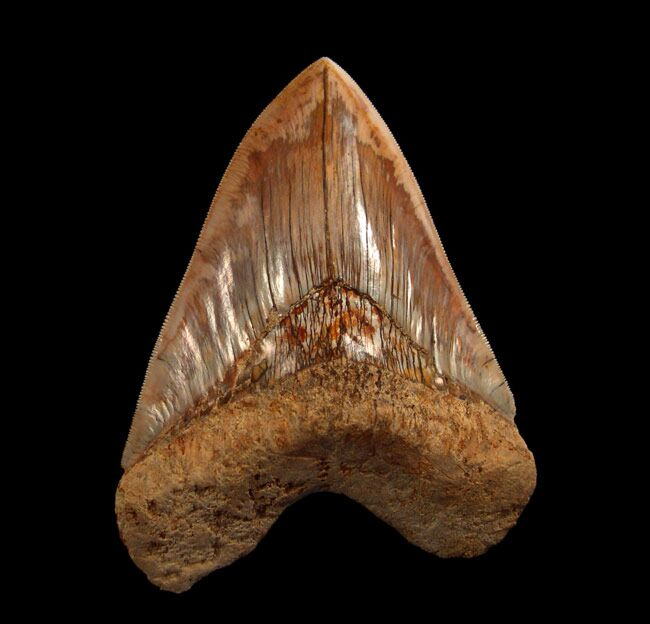
It didn’t take long for Aurora to be recognized as a fossil Mecca. Collectors could walk away with shark teeth of all sizes, some small and serrated, while others were massive, triangular relics belonging to the Megalodon. A single tooth, palm-sized or larger, carried both scientific intrigue and significant value for private collectors.
Aurora’s reputation spread internationally, with fossil clubs, paleontology students, and casual hobbyists making pilgrimages to North Carolina. Entire weekends were devoted to digging, trading, and storytelling. The mines didn’t just fuel an economic industry, they fueled imaginations.
The Megalodon Connection
Among all the finds, the Megalodon teeth fossil near Florida river were the crown jewels. Megalodon, the prehistoric shark that could reach lengths of up to 60 feet, once dominated the world’s oceans between 3.6 and 23 million years ago. Its teeth, thick, serrated, and often measuring more than six inches—are some of the most sought-after fossils on Earth.
Aurora’s phosphate mines were one of the richest sources of these teeth. Collectors recall days when handfuls of Megalodon teeth could be pulled from spoil piles. Each find was like touching the raw power of an apex predator that once dwarfed the great white shark.
These fossils also provided scientific insight. Their abundance in Aurora helped paleontologists study the distribution, growth, and diet of Megalodon. The phosphate mines weren’t just playgrounds; they were windows into the ecology of prehistoric seas.
The Aurora Fossil Museum: Preserving the Legacy
Recognizing both the scientific value and cultural enthusiasm surrounding the fossils, the Aurora Fossil Museum was established. This institution became the heart of fossil culture in town, keeping the spirit of discovery alive even after the mines were closed to the public.
The museum not only showcases incredible specimens, including massive Megalodon teeth and marine mammal bones, but also educates visitors about the region's geology, the phosphate industry, and the prehistoric ecosystems buried beneath North Carolina.
Perhaps the most unique feature of the museum is its fossil park. Here, truckloads of fossil-bearing sediment, dumped from the nearby mines, are spread out for visitors to sift through. Children and adults alike can dig through the piles and regularly find shark teeth, sometimes even those of the Megalodon. This hands-on experience allows visitors to feel the thrill of discovery without ever setting foot into the restricted mines.
Why Aurora Still Matters for Fossil Enthusiasts
Even though the phosphate mines are no longer open for exploration, Aurora remains a bucket-list destination for fossil hunters. Here’s why:
Accessibility of Finds: The museum’s spoil piles are replenished with sediment from the mines, ensuring a steady supply of fossils for visitors.
Educational Value: The museum bridges the gap between science and public enthusiasm, making paleontology approachable.
Global Significance: Aurora fossils continue to contribute significantly to research, particularly in the study of Miocene and Pliocene marine ecosystems.
Community Spirit: Few places in the world so fully embrace fossils as part of their cultural identity.
For collectors dreaming of the Megalodo teeth fossil near Florida river , Aurora still offers a realistic chance of discovery, something few other sites can promise.
Looking Back, and Ahead
The story of fossil hunting in Aurora’s phosphate mines is one of transformation. It began with miners uncovering ancient relics, evolved into a fossil-hunting paradise, and adapted into a museum-centered experience when safety concerns closed the mines.
What remains constant is the town’s magnetic pull for anyone fascinated by prehistory. Aurora proves that fossil hunting isn’t just about what you find, it’s about the thrill of connection. A single shark tooth, pulled from the soil, links a person to an ocean predator that swam millions of years ago. That sense of awe is timeless.
Final Thoughts
Aurora, North Carolina, is more than just a town with phosphate mines, it’s a living monument to Earth’s history. From the massive Megalodon teeth fossil near Florida river to the hands-on fossil piles at the Aurora Fossil Museum, the legacy of discovery is alive and well.
The history of fossil hunting here is not merely about teeth and bones; it’s about curiosity, community, and the enduring human desire to touch the ancient past. Whether you’re a seasoned collector or a first-time visitor, Aurora offers the chance to experience the thrill of unearthing history, one fossil at a time.
We invite you to visit our fossil-rich sediment piles, and experience the thrill of discovery firsthand. You can also explore our carefully curated collection of Megalodon teeth online to find a piece of ancient history to call your own.