

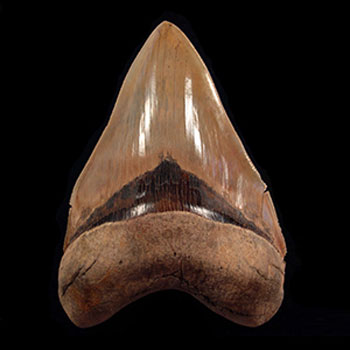
The story of Earth’s oceans has always been written in fragments, fossilized bones, scattered shells, and teeth hardened by millions of years beneath shifting seabeds. Among these fragments, shark teeth stand out as some of the most revealing fossils of all. They tell us not only about the size and power of ancient predators but also about the secret places they once called home. Recently, paleontologists uncovered evidence of prehistoric shark nurseries, ancient breeding grounds where baby giants grew.
Perhaps the most awe-inspiring of these discoveries is the nursery of the mighty Megalodon, a predator so enormous that even its offspring measured as long as today’s largest Great White sharks. This isn’t just a story about size or ferocity. It’s about survival, ecosystems, and the quiet clues left behind in scattered teeth. By studying these fossils, scientists piece together how prehistoric oceans functioned and how young sharks prepared for life at the top of the food chain.
And for fossil enthusiasts today, buy Megalodon teeth that offer not only scientific insight but also a tangible connection to an oceanic world that existed millions of years before humans.
Shark Teeth: Nature’s Fossilized Time Capsules
Unlike bones, which are fragile and often lost to time, shark teeth fossilize in abundance. Sharks shed thousands of teeth throughout their lifetimes, and the constant replacement means an endless record left in sediment layers. Each tooth can tell us something unique, whether it belonged to a juvenile or an adult, whether the shark was built for crushing shells or slicing flesh, and even where it might have lived.
In the case of the Megalodon, the largest shark to ever patrol Earth’s waters, its teeth have been found across nearly every ocean. Some are serrated and massive, capable of cutting through whales, while others are smaller, sharper, and distinctly youthful. These juvenile teeth became the key to uncovering hidden shark nurseries of the past.
The Discovery of an Ancient Megalodon Nursery
One of the most exciting finds in paleontology came off the coast of Panama. A team from the University of Florida, digging into sediment layers, discovered an unusually high concentration of Megalodon teeth. But what was most striking was their size, almost all of them belonged to juveniles. This led to the conclusion that the site was once a Megalodon nursery, a protected stretch of prehistoric ocean where baby sharks spent the earliest years of their lives.
According to Sharkopedia, scientists determined that newborn Megalodons measured around 20 feet long, already as big as the largest Great White sharks on record. That means these nurseries weren’t filled with fragile creatures but with young predators, each destined to grow into an apex hunter stretching over 50 feet. The nursery itself likely offered shallow waters, abundant food, and relative safety from larger predators, giving these giants the best chance of survival.
What Juvenile Teeth Reveal About Growth
Each tooth found in a nursery is a data point, a clue about size, diet, and growth patterns. Juvenile Megalodon teeth show serrations sharp enough to slice through fish and small marine mammals, suggesting their diet shifted as they grew. Smaller teeth indicate early feeding habits, while progressively larger fossils chart their journey toward becoming titans of the sea.
By buying Megalodon teeth and comparing these teeth, paleontologists have been able to estimate growth rates and gain a better understanding of the life cycle of the Megalodon. The fact that juveniles were already enormous at birth demonstrates the evolutionary strategy of being “born big”, a built-in defense against predation and a head start in the race to dominate the seas.
A Glimpse Into Prehistoric Ecosystems
Shark nurseries also provide a window into the ecosystems that support them. The Panama nursery, for example, suggests that shallow waters were once teeming with fish and smaller marine mammals, perfect hunting grounds for young Megalodon. These conditions highlight the importance of coastal habitats today, which remain critical breeding zones for many marine species.
Furthermore, the presence of nurseries indicates a structured life cycle. Megalodons weren’t wandering; they had defined strategies for breeding, raising young, and transitioning juveniles into the open ocean. This level of ecological planning reveals just how advanced these predators were in adapting to their environment.
Fossils for Everyone: From Trilobites to Megalodon Teeth
The thrill of discovery isn’t limited to scientists. Buying Megalodon teeth has long been a way for people to connect with Earth’s history firsthand. Unlike many collectibles, fossils are available at a wide range of prices. Budding paleontologists can start with accessible specimens, such as trilobites or ammonites, each carrying the story of a world long vanished. For those with bigger ambitions, authentic treasures like T. Rex teeth or mastodon tusks can turn a private collection into a museum-worthy display.
Not all fossils are tied to predators, either. For those drawn to ancient plants, fossilized Argentinian Araucaria pine cones from the Jurassic period offer a fascinating glimpse into prehistoric forests. These cones are particularly appealing to collectors who prefer plant-based specimens, proving that fossils can capture the essence of every branch of life, not just the fierce and the fearsome.
Megalodon Teeth: Collector’s Icons
Among all fossils, Megalodon teeth remain some of the most sought-after. Their sheer size, serrated edges, and historical significance make them a centerpiece for collections. A palm-sized tooth instantly conveys the scale of a predator that dwarfed almost everything else in the ocean. Some collectors treasure smaller, more affordable specimens, while others invest in pristine, museum-grade examples worth thousands of dollars.
Holding a Megalodon tooth is more than just holding a stone, it’s holding a fragment of an apex predator’s life. Each tooth once belonged to an animal that ruled the seas, and each tooth carries echoes of ancient nurseries where young sharks sharpened their hunting skills.
Conclusion: Lessons From Ancient Nurseries
The discovery of Megalodon nurseries revolutionized our understanding of prehistoric oceans. These sites revealed that even the largest predator of all time relied on sheltered, resource-rich areas to give its young the best chance at survival. Fossilized teeth from juveniles are more than relics; they’re records of strategy, adaptation, and the remarkable resilience of sharks across millions of years.
For collectors, buy Megalodon teeth that are treasures, physical reminders of a time when giants once ruled the oceans. For scientists, they’re puzzle pieces that explain how life evolved and endured. And for all of us, they’re reminders that the story of Earth is still being uncovered, one fossil at a time.
Explore our full collection, from ancient shark teeth and trilobites to mastodon tusks and Jurassic pine cones, and discover the perfect piece of prehistoric history for your home.






