Few fossils spark instant awe like a Megalodon tooth, especially when collectors begin comparing how size affects rarity, price, and long-term value. Among serious enthusiasts, understanding the megalodon tooth size range quickly becomes essential when weighing different purchase options. From compact beginner-friendly specimens to massive museum-grade teeth, size influences everything from availability to market demand, making informed comparison a key part of collecting wisely.
As collectors explore the megalodon tooth size range, they quickly notice that not all teeth tell the same story. Size reflects where a tooth sat in the jaw, the age of the shark, and how well the fossil survived over millions of years. Consequently, larger teeth consistently attract more attention, while smaller examples often provide accessible entry points into fossil collecting.
Understanding the Megalodon Tooth Size Spectrum
The megalodon tooth size range typically spans from about two inches to over seven inches, and each category appeals to a different type of collector. Smaller teeth usually came from younger sharks or inner jaw positions, while giant teeth formed the business end of an apex predator that once dominated prehistoric oceans. As size increases, scarcity rises sharply, directly shaping market prices.
Small Megalodon Teeth: Affordable and Accessible
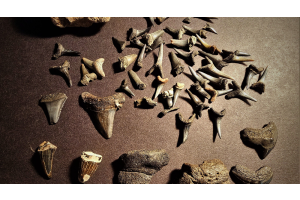
Small Megalodon teeth, generally measuring between two and three inches, remain widely available and budget-friendly. These teeth allow new collectors to own an authentic fossil without major investment. Because fossil hunters recover these sizes more frequently, pricing stays relatively stable. Even so, strong enamel, intact serrations, and appealing coloration can still elevate value within this category.
Mid Size Megalodon Teeth: The Collector Sweet Spot
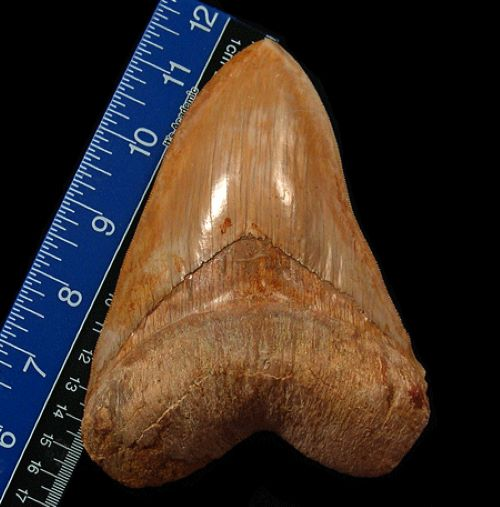
Mid size teeth, ranging from three to five inches, consistently rank as the most sought-after option. Collectors appreciate how this segment of the megalodon tooth size range balances visual impact with reasonable availability. These teeth often display bold serrations and substantial roots, making them ideal for display. As demand stays high and supply remains moderate, prices steadily climb but still feel attainable for many experienced buyers.
Giant Megalodon Teeth: Rarity Drives Premium Pricing
Giant Megalodon teeth exceeding five inches sit at the top of the market. Teeth reaching six or seven inches represent exceptional finds, and collectors compete aggressively for them. Because fossil sites yield very few intact giants each year, prices increase dramatically at this level. Condition magnifies value even further, as complete roots and sharp serrations become increasingly rare with size.
Why Size Directly Impacts Market Value
Size affects value not only because of visual appeal but also due to geological reality. Larger teeth fossilized less frequently without damage, and erosion eliminated many over time. As a result, availability drops sharply at the upper end of the megalodon tooth size range, while demand from advanced collectors continues to rise. This imbalance explains why prices jump exponentially rather than gradually as size increases.
Comparing Availability Across Sizes
Smaller teeth appear consistently in fossil-rich areas such as Florida’s Peace River, while mid size teeth surface regularly in South Carolina’s river systems. In contrast, giant teeth emerge sporadically and often sell quickly once discovered. Reputable sellers like Buried Treasure Fossils help collectors navigate these differences by clearly categorizing teeth by size, condition, and origin.
Authenticity and Confidence When Buying
Collectors comparing options should always prioritize authenticity alongside size. Buried Treasure Fossils focuses on legally sourced, genuine specimens and provides detailed descriptions that help buyers confidently assess value. This transparency becomes especially important when investing in larger teeth, where restoration and damage can significantly affect price.
Conclusion
From entry-level finds to rare showstoppers, the megalodon tooth size range shapes affordability, availability, and long-term collectability. Small teeth invite beginners, mid-size teeth satisfy most collectors, and giant teeth reward those seeking true centerpiece fossils. As interest continues to grow and top-tier specimens become scarcer, choosing the right size today can define a collection for years to come. Exploring carefully curated selections from trusted fossil specialists allows collectors to secure authentic Megalodon teeth that match both passion and investment goals while preserving a tangible link to Earth’s prehistoric past.