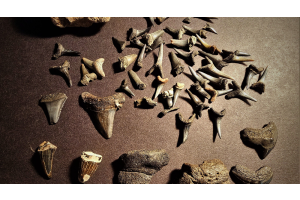
The prehistoric oceans once belonged to a predator so massive that its remains still captivate scientists and collectors today. Among all the fossil evidence left behind, shark teeth provide the clearest window into this ancient world. Early discoveries immediately raised one compelling question for fossil enthusiasts and educators alike: how big was the megalodon tooth, and what does that size reveal about the most powerful shark to ever exist?
Within the first few moments of examining an authentic specimen, the sheer scale becomes impossible to ignore. Fossil researchers established long ago that the size of the megalodon tooth directly correlates with body length, bite force, and feeding dominance. Unlike bones, shark skeletons consist mostly of cartilage, making teeth the most reliable physical evidence for understanding this extinct giant.
Understanding the Size of a Megalodon Tooth
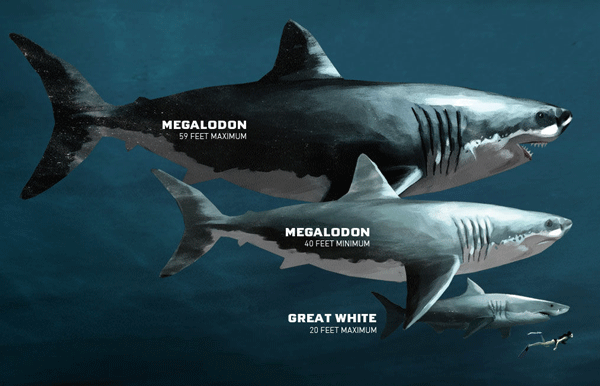
A fully grown megalodon tooth commonly measures between five and seven inches in length, with some exceptional examples pushing beyond that range. When compared to modern sharks, this size difference immediately stands out. Great white shark teeth rarely exceed three inches, while megalodon teeth appear wider, thicker, and far more robust.
This dramatic scale answers the recurring question of how big the megalodon tooth is in practical terms. Tooth size helps paleontologists estimate that megalodon reached lengths of 50 to 60 feet. Each tooth functioned like a serrated blade, built not for slicing small prey but for gripping, crushing, and tearing through massive marine mammals.
Tooth Size as Evidence of Body Length
Scientists consistently rely on tooth dimensions to calculate overall shark size. Larger teeth require larger jaws, and larger jaws demand longer, heavier bodies to support them. Megalodon teeth display deep roots and thick enamel, signaling jaws capable of handling enormous stress.
As researchers analyzed fossilized teeth from different regions, patterns emerged. Larger teeth often appeared alongside fossils of whales and seals, reinforcing the idea that megalodon dominated the top of the food chain. This relationship between tooth size and body length makes the question how big was the megalodon tooth central to understanding the animal’s true scale.
Bite Force and Feeding Behavior Revealed
Tooth structure does more than indicate size—it reveals feeding behavior. Megalodon teeth feature broad, triangular shapes with sharp serrations designed for cutting through bone. Modern sharks rely on speed and agility, but megalodon relied on raw power.
A bite force estimated at over 40,000 pounds allowed this predator to crush whale ribs with ease. Fossilized whale bones bearing bite marks confirm that megalodon targeted large prey rather than scavenging. Each tooth worked as part of a deadly system built for efficiency, dominance, and survival.
Why Megalodon Teeth Matter to Collectors and Educators
Authentic megalodon teeth remain among the most sought-after marine fossils in the world. Collectors value them for size, condition, and coloration, while educators use them to demonstrate evolution, extinction, and adaptation. Every tooth tells a story of ancient oceans, shifting ecosystems, and biological extremes.
Buried Treasure Fossils carefully curates genuine specimens that allow enthusiasts to hold a physical connection to this prehistoric predator. With clear historical context and verified authenticity, each fossil serves both educational and collectible purposes, making the science accessible to beginners and experienced collectors alike.
What Makes These Fossils So Rare
Although megalodon shed thousands of teeth over its lifetime, geological processes limited how many survived. Ocean floor conditions, mineralization, and time determined which teeth fossilized successfully. As a result, well-preserved large specimens remain rare and valuable.
This rarity adds depth to the fascination surrounding how big was the megalodon tooth, because each discovery contributes new data to scientific understanding. Larger specimens often spark renewed discussions about maximum body size and hunting behavior.
Conclusion: A Tooth That Defines an Ocean Giant
The answer to how big the megalodon tooth goes far beyond measurements. Tooth size reveals body length, feeding strategy, and unmatched dominance in prehistoric seas. These fossils stand as proof of an apex predator that reshaped marine ecosystems millions of years ago.
For shark enthusiasts, science readers, and educators, exploring authentic megalodon teeth offers a direct link to that lost world. Carefully sourced specimens provide more than visual impact—they deliver insight, inspiration, and a tangible piece of natural history. Discovering one of these remarkable fossils allows collectors to deepen their understanding while preserving the legacy of the largest predator in ocean history.