

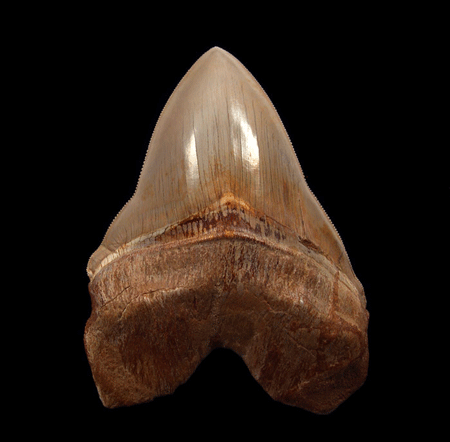
The ocean has always carried secrets beneath its waves—stories of giants, predators, and the relics they left behind. Among these treasures are fossilized teeth that have become symbols of both scientific curiosity and collector passion. While thousands of shark teeth are discovered each year, few inspire the same level of wonder and fascination as those linked to the ancient giant, the megalodon.
For some collectors, the pursuit isn’t simply about owning a piece of history, but about finding the rarest, the largest, and the most pristine fossil possible. That’s when the conversation inevitably shifts toward the most expensive megalodon tooth, an artifact that represents both natural history and human desire.
Before delving deeper into the layers of rarity and value, it is helpful to understand why megalodon teeth are considered extraordinary in the first place.
A glimpse into a predator’s legacy
The megalodon, often regarded as the ruler of prehistoric seas, was an apex predator unlike any living today. Its name translates to “big tooth,” which is fitting considering its fossilized remains are almost exclusively teeth. Growing up to seven inches in length, these teeth reveal more about the animal than any other fossil. Their serrated edges once tore through prey, their size suggests a shark that may have stretched 60 feet or more, and their resilience means they can endure millions of years beneath layers of sediment.
Each tooth tells a fragment of the ocean’s story. Some are battered, reflecting a life of hunting, while others are pristine, as though untouched by time. These specimens captivate collectors and inspire awe in anyone who holds one in their hand.
What determines a tooth’s worth
When it comes to fossil collecting, not all teeth are equal. Several factors combine to shape their value:
● Size: Larger teeth fetch higher prices. A six-inch specimen is rare enough, but those exceeding seven inches enter an elite category.
● Condition: Teeth free from chips, cracks, or repairs are especially sought after. Even the serrations—tiny grooves along the edge—add to the allure when preserved.
● Color: Subtle hues, from jet black to creamy ivory, can make one tooth more visually striking than another. Some exhibit rare coloration, with blues, reds, or even golden tones that collectors prize.
● Origin: Fossils from specific regions, such as those found in South Carolina rivers or Moroccan quarries, may be more common. Others from unique geological settings are far rarer.
The intersection of these traits creates a hierarchy, where a flawless large specimen may reach astronomical value, while a smaller or damaged one remains affordable.
The thrill of discovery
For many, the pursuit begins not with a wallet but with a riverbed or coastal excavation site. Fossil hunters often wade waist-deep in muddy water, searching for that one glimmer among gravel and shells. Others dive into rivers where visibility is low, relying on touch rather than sight. Finding a complete tooth in such conditions is an exhilarating experience—like unearthing treasure from an ancient age.
This spirit of discovery feeds the market. Every fossil pulled from the earth is one fewer left hidden, and every collector’s story of finding “the big one” adds to the mystique. The thrill isn’t confined to hobbyists; even seasoned paleontologists are known to light up at the sight of an exceptional specimen.
Market fascination and rarity
The fossil trade has grown into a niche but vibrant market, with some specimens selling at auctions for jaw-dropping sums. The most expensive megalodon tooth ever recorded didn’t earn its price through chance alone. It embodied the trifecta: immense size, impeccable preservation, and visual appeal that borders on art. When such a specimen appears on the market, it creates a stir. Collectors compete, bidding not just for a fossil but for prestige, for the bragging rights of owning a once-in-a-lifetime piece.
Interestingly, price inflation doesn’t solely rest on scientific rarity. Market trends, buyer enthusiasm, and even social media exposure can all contribute to pushing values higher. A fossil showcased in a high-profile auction or featured in a magazine suddenly feels more desirable. This blend of natural wonder and human psychology creates an ecosystem where demand often outweighs supply.
From science to storytelling
Beyond the financial aspect, megalodon teeth carry cultural and educational value. Museums proudly display them as teaching tools, connecting visitors with Earth’s prehistoric timeline. Teachers use them in classrooms to capture young imaginations, sparking curiosity about ocean life. Even outside academic circles, they inspire storytelling—tales of ocean monsters, deep-sea mysteries, and the fleeting nature of species dominance.
Collectors often describe their specimens as conversation pieces. Displayed in homes or offices, they prompt questions: “Where did this come from?” “How old is it?” Each answer leads to a broader narrative about evolution, extinction, and the constant flux of Earth’s ecosystems.
Why do some fossils become legendary
In the fossil world, certain specimens become legends, remembered long after they are sold. The reason isn’t only their size or price—it’s the sense of awe they generate. The most expensive megalodon tooth is remembered because it represents the pinnacle of rarity and uniqueness. Like a famous diamond, it transcends its category. While thousands of megalodon teeth may exist in collections worldwide, only a handful rise to this level.
Legends are also fueled by their backstories. Perhaps the tooth was discovered in a river known for centuries of fossil hunting, or it emerged unexpectedly from a quarry. These narratives add layers of meaning, turning a fossil into something more than stone and enamel.
Holding history in your hands
Something is humbling about holding a fossilized tooth. Its weight reminds us of the immense predator that once dominated the seas. Its edges, even dulled by time, hint at ferocity. For a moment, you’re transported back millions of years, imagining the oceans teeming with life, the hunt, and the rhythm of survival.
For collectors, owning one isn’t merely about possession. It’s about preserving a tangible connection to a creature that shaped marine history. Every fossil is finite—there will never be more megalodon teeth created—so their scarcity continues to grow.
A collector’s dilemma
Collectors often face a dilemma: admire or invest. Should a fossil remain safely displayed in a private collection, or should it move to a public institution for study? Each decision shapes the fossil’s legacy. Some of the finest specimens reside in museums, where anyone can admire them, while others are kept in private safes, hidden from public view.
This tension reflects the broader human struggle of ownership versus stewardship. Do we acquire to hold, or do we share to teach? Both paths have merit, but they underscore the fossil’s unique role as both artifact and commodity.
The enduring fascination
The fascination with megalodon teeth doesn’t seem likely to fade. Each generation discovers them anew, whether through science, collecting, or sheer curiosity. New finds continue to excite both experts and enthusiasts, but the bar for rarity keeps rising. The allure of discovering or acquiring the most expensive megalodon tooth has become part of a larger narrative about value, rarity, and human imagination.
Conclusion: why fascination continues
As long as oceans continue to whisper their secrets, megalodon teeth will remain symbols of mystery and wonder. Their blend of natural history, scarcity, and collector appeal ensures they will always hold value—both monetary and cultural. The most expensive megalodon tooth serves as a reminder of how something born of survival millions of years ago can transform into a prized treasure today.
If you’ve ever dreamed of holding history in your hands, now may be the time to begin your own journey into fossil collecting. Explore, learn, and connect with a past that still has stories to share.
Start your own fossil adventure today and see where the pursuit of prehistoric treasures takes you. Each find is a chance to connect with the mysteries of our planet’s past.






