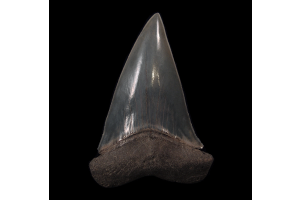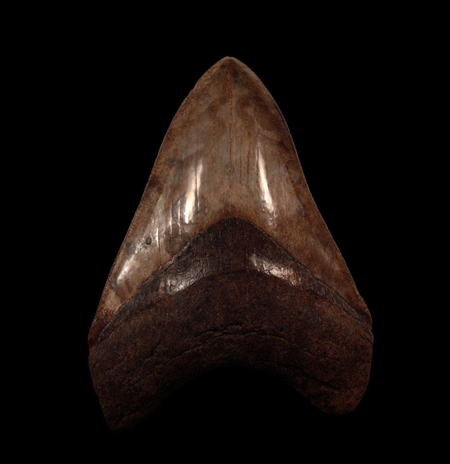
The fascination with prehistoric creatures often brings collectors, enthusiasts, and casual beachcombers into the world of fossils. Among the most coveted finds are teeth from the mighty megalodon, the ancient shark that ruled the oceans millions of years ago. Their immense size and distinctive triangular form make them highly desirable to own; however, the market is filled with replicas, altered fossils, and even artificially crafted pieces that can confuse even seasoned collectors. For those eager to learn how to identify a real megalodon tooth, understanding the details that distinguish real fossils from fakes is essential.
Transitioning from curiosity to careful evaluation requires an understanding of what makes these ancient remnants unique and how to recognize authenticity through texture, color, and wear.
Why Megalodon Teeth Capture So Much Attention
Megalodon teeth are striking due to their size and the connection they provide to a predator that once measured up to 60 feet in length. Holding a tooth in your hand is like holding a piece of prehistory itself, a tangible link to an era when colossal sharks hunted whales. This connection, however, has also made them a target for forgery. Molded resin casts and artificially “aged” replicas often enter the market, leaving new collectors vulnerable to being misled.
Surface Texture and Natural Wear
One of the clearest differences between authentic and artificial fossils lies in surface detail. Genuine teeth are not smooth and flawless; instead, they carry micro-scratches, mineral deposits, and irregularities caused by millions of years buried in sediment. In contrast, replicas often appear too polished or uniform. Running a fingertip over the enamel of a real tooth usually reveals tiny imperfections, while fakes tend to lack this layered feel.
These natural imperfections are not flaws but rather hallmarks of age and authenticity. Like wrinkles on a face, they speak of time and history.
Recognizing Signs of Restoration
Some fossils are not outright fakes but are partially restored to enhance their appearance. This is common in teeth with broken tips or missing enamel. Collectors should examine the junction between the crown and the root carefully. If the coloring appears inconsistent or if the root looks unnaturally smooth compared to the crown, restoration may have occurred. While such work does not always diminish the value entirely, buyers should be aware of exactly what they are purchasing.
A tooth with full, untouched integrity typically holds higher desirability among collectors compared to one with heavy repairs.
Color Clues and Mineral Staining
The color of a megalodon tooth depends on the minerals present in the sediment where it was buried. Natural hues range from gray to black, brown, and sometimes even hints of blue. Replicas often miss this variation, presenting a flat tone throughout. Additionally, real fossils exhibit staining that appears to be embedded in the enamel and root, whereas artificial dyes on replicas may rub off or appear too uniform.
The subtle interplay of natural mineralization cannot easily be replicated. When viewed under bright light, genuine teeth often reveal layered shades, almost like a fingerprint of the ocean floor.
Weight and Density Differences
Because authentic megalodon teeth fossilized through mineral replacement, they are denser and heavier than resin replicas. Holding one in the hand often provides the first clue: genuine fossils carry noticeable weight for their size. Replicas, on the other hand, may feel lighter or hollow. This density test is not foolproof, but it remains a useful early indicator when combined with other signs.
Comparing Edges and Serrations
Megalodon teeth are renowned for their serrated edges, which are designed to tear through flesh and bone. Over millions of years, these serrations often wear down, but under magnification, tiny remnants can remain visible. Replicas may attempt to mimic these features but often lack the natural irregularity of authentic wear. Instead, they display repetitive or overly sharp patterns that signal artificial creation.
Collectors should pay attention to whether the serrations appear naturally aged or suspiciously uniform.
Price and Provenance as Red Flags
Another important factor is where and how the tooth is being sold. Authentic specimens typically come with documented provenance, tracing their discovery site or previous ownership. Sellers who cannot provide details or offer unusually low prices should raise suspicion. Fossils of this magnitude rarely come cheap, and bargains in this market can often mean replicas or altered items.
Trustworthy sellers are usually transparent about restoration, repairs, and sourcing, making research and careful questioning an important part of the process.
Expert Evaluation and Tools
While personal observation is valuable, professional evaluation provides a greater sense of confidence and peace of mind. Experienced fossil dealers and paleontologists use microscopes, magnifiers, and sometimes even chemical analysis to confirm authenticity. Buyers without this expertise should not hesitate to seek expert input, especially before making high-value purchases.
Learning how to identify a megalodon tooth as genuine takes patience and practice, but with guidance, collectors can develop confidence in distinguishing genuine specimens from replicas.
The Collector’s Responsibility
Owning a fossil is more than holding a curiosity; it comes with responsibility. Preserving authenticity ensures that the scientific and historical value of the specimen remains intact. Collectors who educate themselves contribute to the preservation of paleontological integrity by avoiding counterfeit or misrepresented items.
By carefully studying details such as weight, texture, color, and serrations, enthusiasts not only protect their investment but also honor the history embedded in each tooth.
Bringing It All Together
Every fossil has a story. Some traveled through riverbeds before settling in sediment, and others lay hidden for millions of years before being discovered. The key lies in respecting those stories by ensuring authenticity. With practice, the subtle cues of surface wear, mineral staining, and density become easier to recognize, making the collecting journey both rewarding and educational.
Ultimately, understanding how to distinguish a genuine megalodon tooth from a replica is not just about avoiding fakes—it is about holding a genuine piece of natural history and appreciating the journey it took through time.
Conclusion and Next Steps
Megalodon teeth fascinate because they bridge our present with the ancient past, but not all pieces available today are authentic. By focusing on texture, color variations, natural wear, and professional evaluation, collectors can make informed choices that ensure authenticity. Knowing how to identify a genuine megalodon tooth empowers buyers to invest confidently and treasure their specimens for years to come.
If you are ready to explore further, take the time to study authentic examples, connect with knowledgeable sellers, and seek expert opinions before making a purchase. Doing so will not only help you secure a true fossil but will also allow you to experience the excitement of owning a remarkable piece of prehistoric history.
Ready to begin your journey into fossil collecting? Explore authentic specimens, compare details carefully, and when in doubt, seek guidance from experts. Your next discovery could connect you directly to the awe-inspiring history of the ancient seas.