

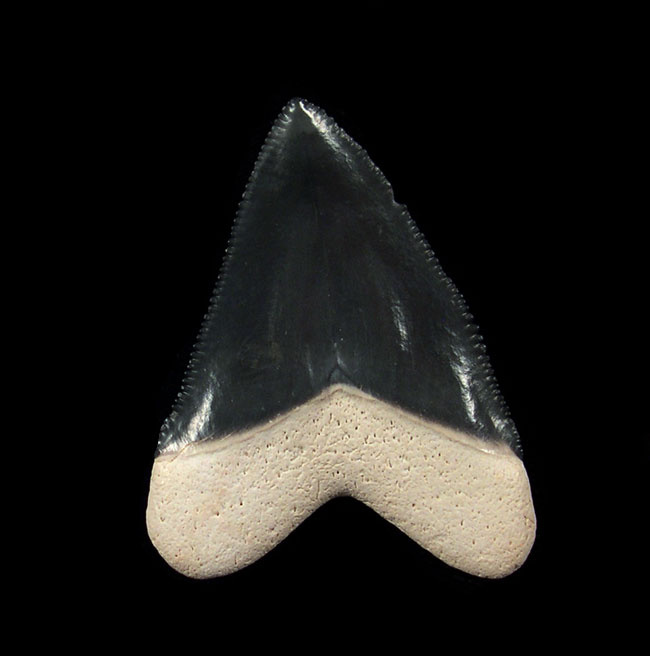
The ocean has always stirred curiosity with its endless expanse and hidden secrets. Beneath the waves lie relics of creatures that once ruled with unmatched dominance. Among these prehistoric marvels, one stands taller than the rest in our imagination—the megalodon, a shark so immense that modern great whites would appear small in comparison. Its teeth, often larger than a human hand, tell us stories of survival, hunting, and adaptation that span millions of years. For those drawn to history and marine life, a megalodon tooth replica serves as a bridge connecting present fascination with ancient wonders.
This fascination with the prehistoric seas is not exclusive to scientists. Enthusiasts, collectors, and everyday admirers find themselves captivated by these relics, longing to bring a part of this history into their homes. Let us explore how replicas give shape to imagination and why they continue to hold such timeless appeal.
The Legacy of a Prehistoric Predator
Long before humans walked the earth, the megalodon swam across oceans with unmatched dominance. Estimates suggest these sharks grew up to 60 feet long, with jaws capable of crushing prey in seconds. Fossil records reveal that megalodons thrived for nearly 20 million years, shaping marine ecosystems and holding the position of apex predator.
Their extinction around 3.6 million years ago left scientists with fragments of a mystery. What caused their disappearance—changing sea levels, declining prey, or shifting ocean temperatures—remains a topic of debate. Yet their teeth endure as enduring symbols, preserved by nature and admired by generations.
Why Teeth Became Timeless Fossils
Unlike bones, which often decay or dissolve over time, shark teeth fossilize more easily due to their dense mineral structure. Megalodons shed thousands of teeth during their lifetimes, scattering relics across ancient seabeds. Over millions of years, these teeth hardened into fossils, providing us with tangible evidence of their size and strength.
Collectors and researchers alike value these fossils not only for their beauty but also for the insights they provide. The serrated edges show how megalodons hunted, while variations in size reveal details about their growth and life cycles. Owning even a replica brings these fascinating details closer to our everyday lives.
Replicas as Windows into History
While genuine fossils remain rare and costly, replicas offer an accessible way to engage with history. Crafted with meticulous care, these pieces capture every ridge, curve, and serration. They are often crafted from authentic fossils, allowing the fine details to shine without compromising the fragility of ancient materials.
For classrooms, replicas become educational tools, helping students visualize creatures far larger than any whale alive today. For collectors, they represent artistry, blending science with craftsmanship. And for admirers, they are conversation pieces, sparking curiosity and wonder about oceans that once teemed with giants.
The Art of Creating Realistic Replicas
Making a lifelike replica requires more than pouring resin into a mold. Skilled artisans study authentic fossils closely, ensuring that every detail—from subtle grooves to enamel textures—is faithfully reproduced. Colors are layered to mimic the mineralized appearance of real fossils, ranging from deep browns and grays to shimmering fossilized whites.
This process ensures that each replica doesn’t merely look like a tooth but feels like one, carrying the weight of history in its form. Collectors appreciate this authenticity, knowing they hold a representation crafted with respect for science and artistry.
Symbolism of Megalodon Teeth
Beyond their scientific significance, megalodon teeth carry symbolism that resonates deeply with people. In ancient cultures, shark teeth were regarded as talismans of courage and protection. Today, they represent resilience, strength, and survival across vast stretches of time.
Displaying a replica on a desk or shelf is more than decoration—it is a reminder of nature’s magnificence and adaptability. For many, it is a daily connection to an ancient predator that once dominated the seas.
Collecting with Accessibility
Not everyone can acquire authentic fossils, which can cost hundreds or thousands of dollars, depending on their size and preservation. Replicas provide an inclusive alternative. They allow enthusiasts of all ages to begin a collection, study details up close, and share knowledge without concern for damage or scarcity.
In this way, replicas democratize history. Whether you are a student eager to learn, a parent introducing your child to marine science, or a hobbyist looking to decorate your home, these replicas bring ancient wonders within reach. Holding a megalodon tooth replica in your hands, even if it is not fossilized, sparks the same sense of awe and imagination.
Replicas as Decorative Centerpieces
Beyond collecting, replicas have become striking decorative pieces. Their bold shapes and textured surfaces instantly catch the attention. Some display them in cases alongside shells and corals, creating a natural ocean-inspired theme. Others mount them in frames or stands, transforming them into artistic focal points.
Whether placed in an office, classroom, or living room, these replicas invite conversation. Guests often marvel at their size and ask questions, creating opportunities to share the fascinating history behind them.
Educational Uses in Schools and Museums
Teachers often turn to replicas as engaging visual aids. Children can hold them, compare them to their own hands, and imagine the size of the shark that carried them. Museums also use replicas when original fossils are too fragile for display or when they wish to provide visitors with hands-on experiences.
By bringing replicas into classrooms, educators inspire curiosity about paleontology, marine biology, and the passage of time. They encourage young minds to ask questions and think beyond the present, reaching back into eras when oceans looked entirely different from today.
From Curiosity to Inspiration
There is something deeply inspiring about connecting with relics of ancient life. These teeth remind us that our world is ever-changing, that species rise and fall, and that nature’s story is written over millions of years. For many, replicas are not mere collectibles but stepping stones into deeper interests—diving into research, studying fossils, or even pursuing careers in science.
A single replica on a shelf can spark a lifelong fascination, bridging curiosity with knowledge and understanding. That makes them more than ornaments—they are catalysts of imagination.
Bringing Ancient Oceans into Modern Homes
In a world of digital screens and fleeting entertainment, there is comfort in holding something that represents endurance across time. A replica is tactile, honest, and rooted in natural history. It is a way of keeping the ocean’s legacy alive in our homes.
By displaying one, we bring a fragment of ancient seas into our modern lives, creating daily reminders that life is vast, diverse, and interconnected across eras.
Conclusion: A Living Memory of the Prehistoric Seas
The megalodon may be long extinct, but its legacy endures through fossils and replicas crafted in its likeness. Holding a megalodon tooth replica is like having a chapter of Earth’s story—a reminder that the seas once belonged to giants and that history continues to echo in the objects we preserve.
If you feel drawn to these ancient wonders, consider adding a replica to your collection or display. It’s more than an object; it’s a conversation with the past, a piece of natural history you can keep close. Explore these creations, and let the story of the oceans inspire your imagination today.
Ready to bring the ocean’s history into your home? Start your journey by exploring lifelike replicas and discover the fascinating connection they offer to the prehistoric world.






