

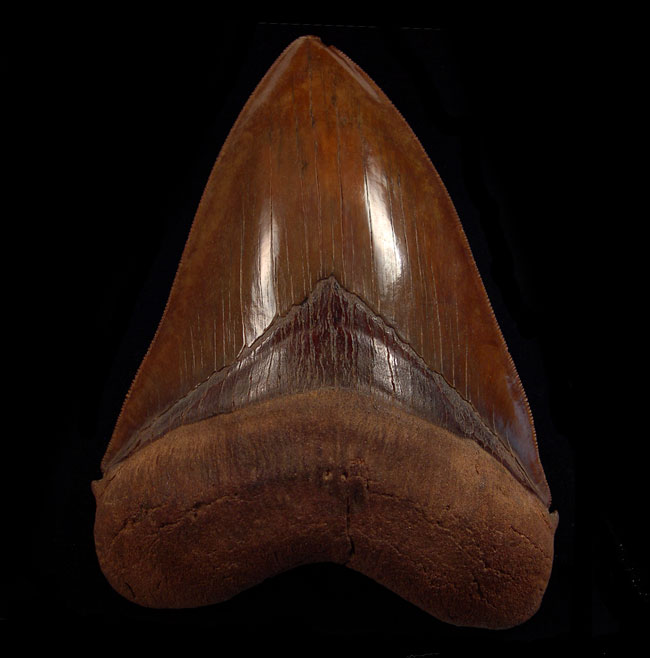
The coastal plains of North Carolina hold secrets from a time long before humans walked the earth. Millions of years ago, massive prehistoric sharks swam in warm seas that covered much of the region. These giants, larger than any modern predator, left behind something both haunting and captivating—their teeth. Today, the idea of finding a megalodon tooth in North Carolina is more than a fossil hunt. It’s a direct connection to a world that feels both unreachable and vividly alive.
This fascination bridges the gap between science and imagination, where collectors, adventurers, and history enthusiasts come together to explore a story preserved in stone. The search for these relics isn’t only about what is found, but also about the timeless wonder of how nature records its past.
The ancient giant behind the fossil
The megalodon was not an ordinary shark. Growing to lengths estimated at over fifty feet, it dominated ancient oceans during the Miocene and Pliocene epochs. Its jaws were capable of crushing bones, and its teeth—sometimes reaching over six inches—remained as silent reminders of its reign.
Unlike fragile skeletons, which rarely survive, teeth are remarkably resilient. Their durability has allowed scientists to piece together the puzzle of the megalodon’s size, diet, and distribution. Every fossil tooth offers clues: serrated edges reveal feeding habits, mineral coloration tells the story of the sediment in which it fossilized, and wear patterns indicate its age and use.
Why North Carolina holds a treasure trove
North Carolina is uniquely positioned as a haven for fossil hunters. Ancient seabeds, river systems, and shifting sediments have created ideal conditions for preserving shark teeth. Rivers such as the Cape Fear and the Black Creek formation are well-known for producing remarkable specimens.
The fossil-rich layers here date back millions of years, capturing the ebb and flow of prehistoric oceans. Unlike some regions where fossils are rare, North Carolina’s geology continues to provide opportunities for discoveries. For many, the coastline and waterways are less about a casual walk and more about stepping into an open-air museum where every tide may reveal something extraordinary.
The thrill of the search
Finding a fossilized shark tooth is exciting on its own, but stumbling across a megalodon tooth elevates that thrill. Enthusiasts often wade through riverbeds, sift through gravel, or scan sandy shores in hopes of spotting the distinctive triangular shape.
The process is a blend of patience and intuition. Fossil hunters describe the experience as meditative—water rushing past, sun glinting off the surface, and the sudden spark of recognition when a tooth emerges from the sediment. That moment transforms an ordinary day into one of personal discovery, bridging millions of years in a single instant.
Collecting with care and respect
While collecting megalodon fossils has grown in popularity, it also carries responsibility. These artifacts are pieces of natural history, and handling them with care ensures they remain preserved for future generations to appreciate.
Collectors are encouraged to research local regulations, as certain waterways or land areas may be protected or restricted. Beyond legality, there’s an ethical duty: to admire and learn from these fossils without damaging the fragile ecosystems in which they are found. Many hobbyists choose to keep smaller finds while reserving scarce specimens for museums or educational collections.
Stories within the stone
Every megalodon tooth carries a unique narrative. Some are sharp and nearly flawless, suggesting they were shed while the shark was young and vigorous. Others display fractures, chips, or smooth edges, hinting at years of use before they were lost.
The mineralization process adds further individuality. Teeth buried in iron-rich sediment may glow with orange or reddish hues, while those fossilized in river beds can show deep blacks or soft grays. This variation transforms each specimen into both a scientific artifact and a natural work of art.
A modern fascination with ancient seas
The popularity of megalodon fossils has grown far beyond the scientific community. Collectors, educators, and enthusiasts share a common interest in these relics. For some, owning a fossil tooth is about holding a tangible link to Earth’s history. For others, it’s about the aesthetic beauty of nature’s preservation.
This fascination also extends into education. Teachers use these fossils to engage students in the fields of paleontology, geology, and marine biology. Museums display them as centerpieces, drawing in visitors eager to see physical evidence of the world’s largest predatory shark. The megalodon continues to inspire imagination, bridging fact and mystery in equal measure.
Connecting past to present
When someone holds a fossilized tooth from a megalodon, they are not only touching a remnant of the past but also bridging oceans of time. The experience underscores the vastness of Earth’s history and the vast amount that remains to be uncovered.
This is where the allure of a megalodon tooth in North Carolina becomes so compelling—it is not simply about a fossil, but about the experience of discovery in a place where the ancient and modern coexist. The rivers, coastlines, and plains become spaces where time folds, revealing fragments of a world that once was.
Tips for aspiring fossil hunters
For those inspired to search, preparation enhances the experience. Here are some simple guidelines:
● Research locations: Learn about riverbeds and formations known for fossil-rich layers.
● Bring the right tools: A small shovel, sifting screen, and collection bag are essential for serious searching.
● Respect the environment: Collect responsibly, leaving habitats undisturbed.
● Learn to identify: Study photos and guides to recognize genuine fossils.
● Be patient: The best finds often come after hours of searching.
Every successful discovery is the result of both persistence and respect for the natural world.
Why the fascination continues
The enduring interest in megalodon fossils reflects more than curiosity about the past. It highlights a more profound need to connect with history in ways that feel real and tangible. A fossil tooth is more than an object—it is evidence of a creature that once shaped the balance of ancient seas.
For collectors and enthusiasts, the journey is about both the find and the story. The megalodon reminds us of the mystery and resilience of life on Earth.
Conclusion
Exploring the rivers and coastlines of North Carolina reveals far more than scenic beauty. It uncovers a timeline stretching back millions of years, written in stone and preserved in sediment. For anyone who has ever dreamed of holding a piece of natural history, the possibility of discovering a megalodon tooth in North Carolina represents both excitement and connection. It’s a reminder that even the most immense creatures eventually leave behind traces that tell their story.
If you’re inspired by this journey into prehistoric seas, consider exploring trusted fossil collections or venturing into the waterways with care. Ancient history waits to be discovered—and your next adventure could bring it into your hands.






